

 Log In


November 27, 2013
 Online

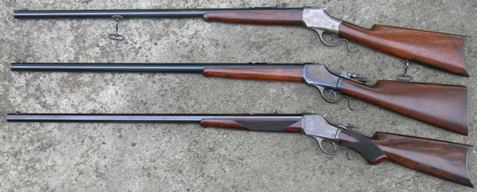
Not a Winchester rifle, but a Winchester cartridge. There’s lots of conflicting information out there about the 50-140. As near as I can tell, Winchester introduced this round at about the time the Sharps Rifle Company folded. It’s believed that no original Sharps rifles were chambered in this caliber but were used in the Sharps-Borchardt rifles. I believe there were a few Highwalls chambered in this caliber as well. Maybe Bert can chime in with more info on that subject.
While it was an interesting rifle to shoot, I won’t be in a hurry to take it plinking anytime soon. Mark
Mark

March 31, 2009
 Offline

What a gun!!!
I looked in the latest Sharps book, Sharps Firearms Vol III on target models by Roy Marcot and other Sharps collectors and the 50-140 is not listed. I’m sure this would not have been a target caliber. I do not have Vol II that is on early cartridge guns. Vol I is percussion guns.
If anyone is interested, Vol I and III can be found online for sale. Vol II is very hard to find.

November 7, 2015
Offline
You’re a brave man, Mark. Doesn’t take long to get all we want with those heavy hitters. Looking forward to seeing you and your projects in Cody!
Mike

April 15, 2005
Online
Mark Douglas said
Not a Winchester rifle, but a Winchester cartridge. There’s lots of conflicting information out there about the 50-140. As near as I can tell, Winchester introduced this round at about the time the Sharps Rifle Company folded. It’s believed that no original Sharps rifles were chambered in this caliber but were used in the Sharps-Borchardt rifles. I believe there were a few Highwalls chambered in this caliber as well. Maybe Bert can chime in with more info on that subject.While it was an interesting rifle to shoot, I won’t be in a hurry to take it plinking anytime soon.
I have to admit that your video showing you shooting that rifle elicited several evil chuckles… you are a braver man than I am!!
In answer to your question, Winchester manufactured just (2) high-wall rifles chambered for the Sharps 50 3-1/4 cartridge.
Bert
WACA Historian & Board of Director Member #6571L
June 9, 2014
Offline
Wow what a Heavy Recoil . It looked like you were dropping the block before putting the hammer on Half Cock . I was always taught that a Sharps should be placed on Half Cock so the block does not drag against the firing pin damaging it . If you were putting it on Half Cock before dropping the block and I heard the clicks wrong , then sorry my mistake . I really do like your video’s , Keep them coming .
November 19, 2006
Offline
I also greatly enjoyed the video. You’re a brave man, Mark. Were it me, I would have put my strap-on PAST shoulder pad along with an inch thick slip-on rubber pad I have for rifles (that recoil less than what you are shooting). I admit that filming me shooting it, outfitted as I described, would have damaged the manliness ambiance substantially 
March 31, 2009
Offline
Bert H. said
In answer to your question, Winchester manufactured just (2) high-wall rifles chambered for the Sharps 50 3-1/4 cartridge.
Bert
Sharps went out of business in 1881. There are no records stating that Sharps ever manufactured this cartridge. In my opinion, unless someone can produce a Sharps document saying otherwise, this is a Winchester cartridge.
April 15, 2005
Online
Chuck said
Bert H. said
In answer to your question, Winchester manufactured just (2) high-wall rifles chambered for the Sharps 50 3-1/4 cartridge.
Bert
Sharps went out of business in 1881. There are no records stating that Sharps ever manufactured this cartridge. In my opinion, unless someone can produce a Sharps document saying otherwise, this is a Winchester cartridge.
It is not a “Winchester” cartridge… they never claimed it, or even catalogued it.
WACA Historian & Board of Director Member #6571L
December 9, 2002
Offline
Bert H. said
Chuck said
Bert H. said
In answer to your question, Winchester manufactured just (2) high-wall rifles chambered for the Sharps 50 3-1/4 cartridge.
Bert
Sharps went out of business in 1881. There are no records stating that Sharps ever manufactured this cartridge. In my opinion, unless someone can produce a Sharps document saying otherwise, this is a Winchester cartridge.
It is not a “Winchester” cartridge… they never claimed it, or even catalogued it.
I am no authority on this and won’t pretend to know any more about this than both you gentlemen, as I feel you’re both correct in you’re statements. Most of this information that I have in my notes from over the years are acquired from Frank Barnes, “Cartridges of the World”, and a few other sources from the internet, over the last few years. It’s something that I enjoy updating.
Sharps never cataloged the 50-140 cartridge in any of their firearms. They did however experiment with the 50-140 cartridge for their Sharps/Borchardt rifle,(1878). Winchester never manufactured the 50-140 cartridge on a commercial basis either, but did load the 50-140 cartridge with a 473 grain bullet.
UMC, was known to have Brass cartridges for the 50-140 cartridge, and manufactured them as an available item for re loaders on the commercial market, as hand loaders of the day would load a paper patched, 700 grain bullet in the cartridge case for the mighty Buffalo herd that was dwindling rapidly.
With the Sharps Rifle company going defunct in 1881, as Chuck stated, and this cartridge never advertised by Sharps or documented in print, and the Buffalo herd almost gone by 1880, and Winchester doing they’re own 50-140 cartridge experimenting, never documented the 50-140 cartridge in they’re catalogues either, as Bert stated. We know that only a couple Winchester rifles were known to be made in the model 1886, (3, 50-100-450, according to John Madl research).
So the timeline between the 1880/1881 to 1886/1888, (approximate years of the mystery behind the 50-140 cartridge), isn’t very well documented.
To my point, the 50-140 cartridge, (originally believed to be loaded from the 50-90 cases), was never officially documented, as their are many similarities, (this is where I get in trouble), with the various closely related cartridges as the, 50-90, 50-100, 50-105, 50-110, 50 EX. all have dimensional similarities besides the length being the difference. Because of these cartridge length dimensions, each stands alone. Madl states over 5000, m-1886’s we’re manufactured in these various .50 caliber Rifles.
Bert, states in his research survey and printed in the WACA Collector Winter 2021, that approximately under 500 we’re mfg. in the few various .50 caliber cartridges, including the 2 in the Sharps .50 3-1/4.
The 50-140, (3 1/2-inch long), will always be refereed to as the 50-140 Sharps,(50-140 Express), until proven otherwise.
In some of my information statements here, there is some apple and oranges comparisons, from my notes as I tried to explain this the way I view this, as I do find this interesting. Sorry for the confusion. The quest goes on!
Tony
November 19, 2006
Offline
Tony –
All very interesting. All these .50’s make for quite the confusing/intriguing topic. Thanks for outlining the information from various sources as well as including your thoughts.
I’ll insert, there’s also my Standard Arms Camp .50 
December 9, 2002
Offline
steve004 said
Tony –
All very interesting. All these .50’s make for quite the confusing/intriguing topic. Thanks for outlining the information from various sources as well as including your thoughts.
I’ll insert, there’s also my Standard Arms Camp .50
Steve,
I left myself wide open as intended, to not only learn more but to enhance the knowledge here, as I could sure use the expanding!
If I remember correctly, the “Camp 50”, took a 50-95 cartridge. Am I wrong in my memory of that, as I do remember some discussion about it, but not the finality of the cartridge.
Tony
November 19, 2006
Offline
Tony –
As you may recall, there has been no finality in positively identifying what .50 caliber cartridge the Camp .50 took. No one has ever seen a box of cartridges. The cartridges in the group below all fit the chamber of my Camp 50. They are, 50-70 shot, 50-95 shot, 50-110 shot and regular 50-110 cartridge. I’m not saying they all feed through the action. But given they all fit the chamber, I wonder if the .50-140 cartridge would fit the chamber?! I’m sure I’d have to take the barrel off to try.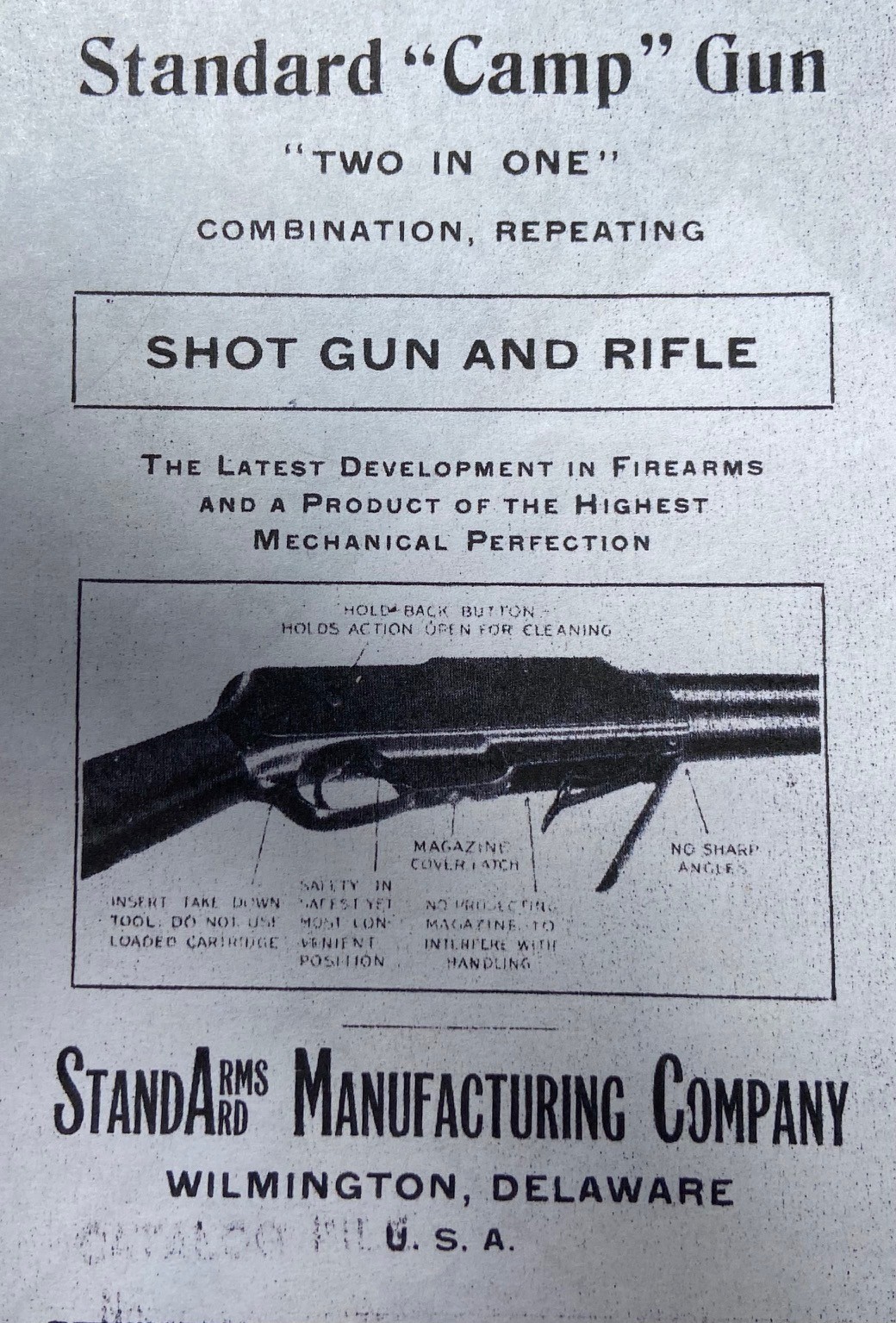
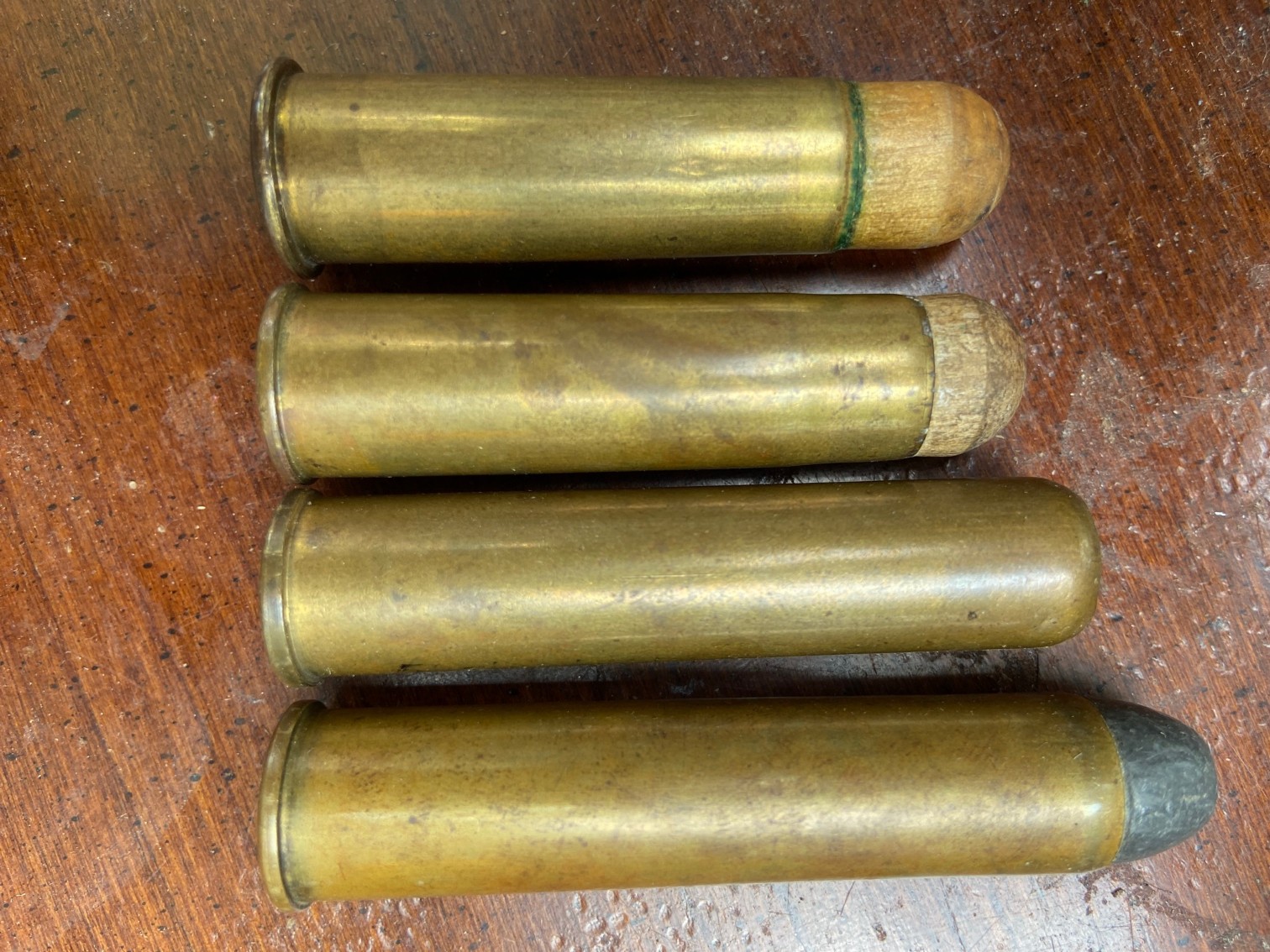
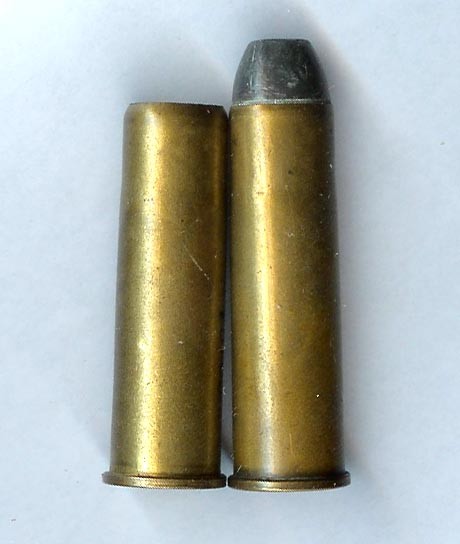
The shot of the rifle with a cartridge sitting on top of the magazine follower – the cartridge is a .50-110 shot cartridge. Sorry about my poor job of adding photos.
April 15, 2005
Online
In total, Winchester manufactured at least (875) .50 caliber Single Shot rifles. The actual total cannot be determined until such time as I have found all 30,000 of the Single Shots that were manufactured in the 110000 – 140000 serial range.
As I published in my article (Winter 2021 Collector magazine), this is what I surveyed in the factory ledger records;
| 50 ELEY | 512 | 0 | 0.47% |
| 50-90 Sharps | 3 | 0 | 0.003% |
| 50-95 WCF | 253 | 1 | 0.23% |
| 50-100-450 EX | 2 | 0 | 0.002% |
| 50-110 EX | 99 | 3 | 0.09% |
| 50 Sharps 3 1/4″ | 2 | 0 | 0.002% |
WACA Historian & Board of Director Member #6571L
November 19, 2006
Offline
Bert H. said
In total, Winchester manufactured at least (875) .50 caliber Single Shot rifles. The actual total cannot be determined until such time as I have found all 30,000 of the Single Shots that were manufactured in the 110000 – 140000 serial range.
As I published in my article (Winter 2021 Collector magazine), this is what I surveyed in the factory ledger records;50 ELEY
512
0
0.47%50-90 Sharps
3
0
0.003%50-95 WCF
253
1
0.23%50-100-450 EX
2
0
0.002%50-110 EX
99
3
0.09%50 Sharps 3 1/4″
2
0
0.002%
There’s a lot to lust after here. But a Winchester Single Shot in .50-100-450, paired with a M1886 in the same chambering… that would be a pair to have 
March 31, 2009
Offline
Anthony said
Bert H. said
Chuck said
Bert H. said
In answer to your question, Winchester manufactured just (2) high-wall rifles chambered for the Sharps 50 3-1/4 cartridge.
Bert
Sharps went out of business in 1881. There are no records stating that Sharps ever manufactured this cartridge. In my opinion, unless someone can produce a Sharps document saying otherwise, this is a Winchester cartridge.
It is not a “Winchester” cartridge… they never claimed it, or even catalogued it.
I am no authority on this and won’t pretend to know any more about this than both you gentlemen, as I feel you’re both correct in you’re statements. Most of this information that I have in my notes from over the years are acquired from Frank Barnes, “Cartridges of the World”, and a few other sources from the internet, over the last few years. It’s something that I enjoy updating.
Sharps never cataloged the 50-140 cartridge in any of their firearms. They did however experiment with the 50-140 cartridge for their Sharps/Borchardt rifle,(1878). Winchester never manufactured the 50-140 cartridge on a commercial basis either, but did load the 50-140 cartridge with a 473 grain bullet.
UMC, was known to have Brass cartridges for the 50-140 cartridge, and manufactured them as an available item for re loaders on the commercial market, as hand loaders of the day would load a paper patched, 700 grain bullet in the cartridge case for the mighty Buffalo herd that was dwindling rapidly.
With the Sharps Rifle company going defunct in 1881, as Chuck stated, and this cartridge never advertised by Sharps or documented in print, and the Buffalo herd almost gone by 1880, and Winchester doing they’re own 50-140 cartridge experimenting, never documented the 50-140 cartridge in they’re catalogues either, as Bert stated. We know that only a couple Winchester rifles were known to be made in the model 1886, (3, 50-100-450, according to John Madl research).
So the timeline between the 1880/1881 to 1886/1888, (approximate years of the mystery behind the 50-140 cartridge), isn’t very well documented.
To my point, the 50-140 cartridge, (originally believed to be loaded from the 50-90 cases), was never officially documented, as their are many similarities, (this is where I get in trouble), with the various closely related cartridges as the, 50-90, 50-100, 50-105, 50-110, 50 EX. all have dimensional similarities besides the length being the difference. Because of these cartridge length dimensions, each stands alone. Madl states over 5000, m-1886’s we’re manufactured in these various .50 caliber Rifles.
Bert, states in his research survey and printed in the WACA Collector Winter 2021, that approximately under 500 we’re mfg. in the few various .50 caliber cartridges, including the 2 in the Sharps .50 3-1/4.
The 50-140, (3 1/2-inch long), will always be refereed to as the 50-140 Sharps,(50-140 Express), until proven otherwise.
In some of my information statements here, there is some apple and oranges comparisons, from my notes as I tried to explain this the way I view this, as I do find this interesting. Sorry for the confusion. The quest goes on!
Tony
Steve, where can I find the info about Sharps experimenting with the 50-140?
Winchester did make 50-140 EX ammo, but probably not much.
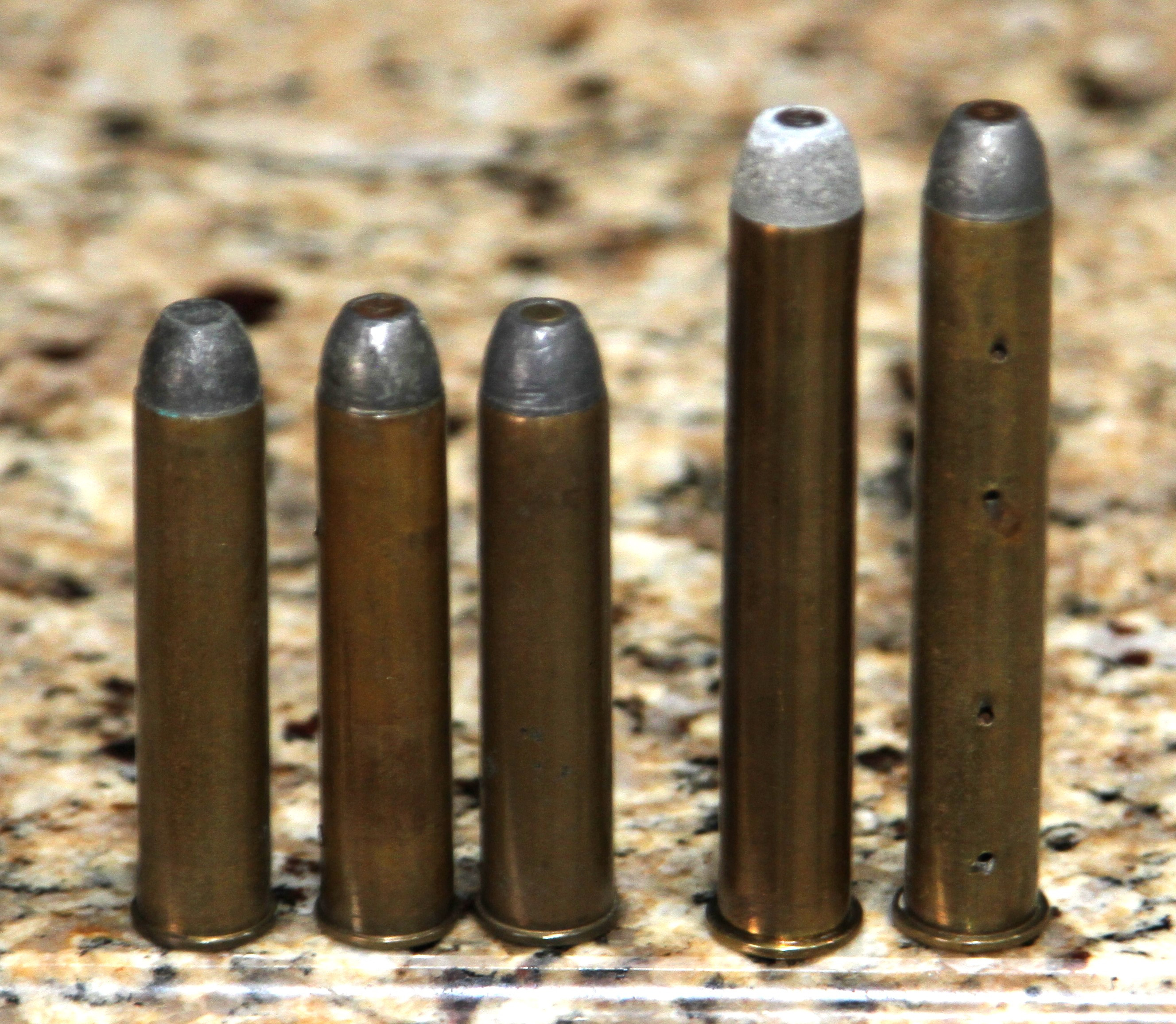
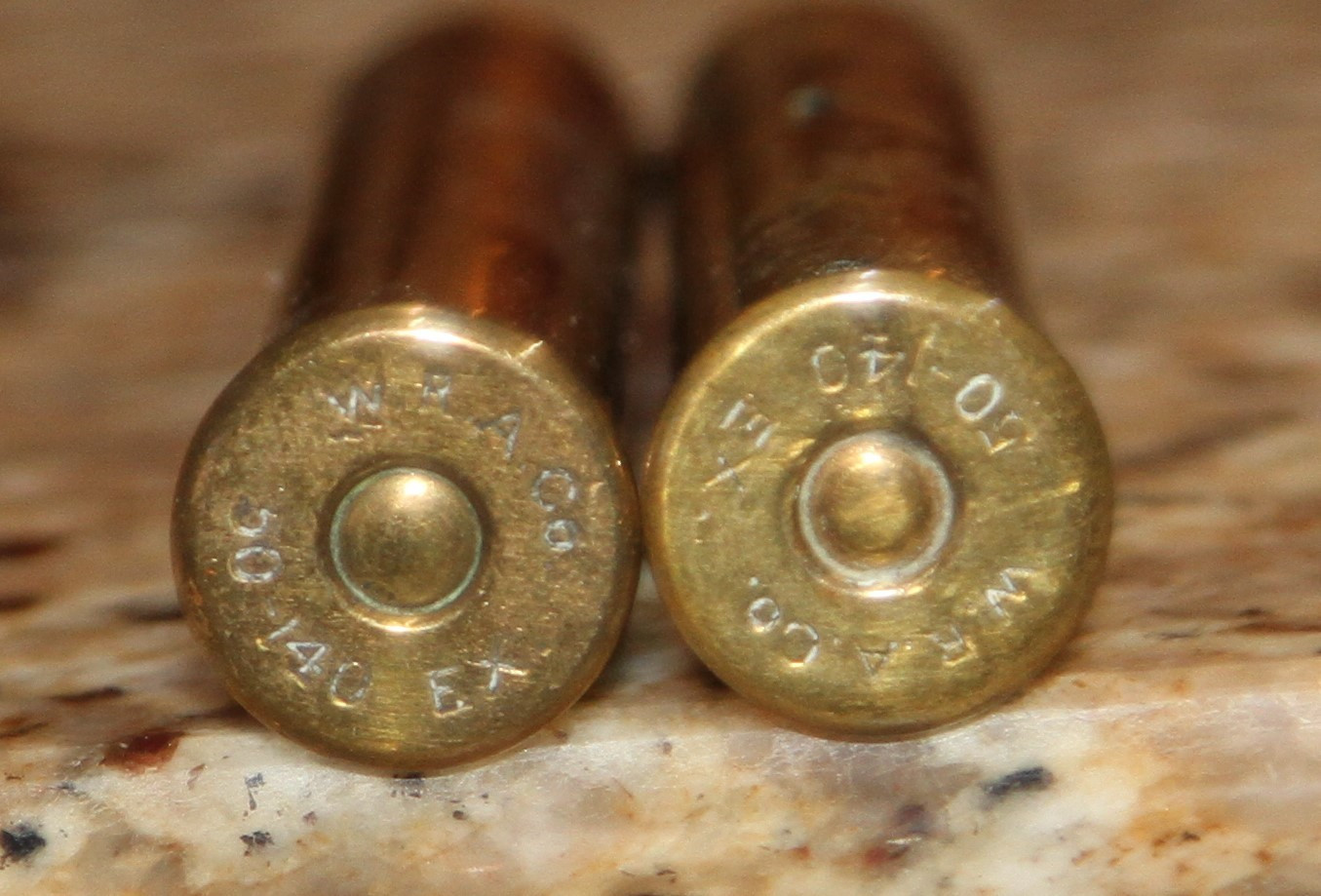
Here is a pic of the 3 ea 50 cal cartridges for the 86 next to a WRACO 50-140 EX board dummy and a loaded round. Next pic is the head stamps for the 2 50-140 EX.

May 23, 2009
Offline
Bert H. said
It is not a “Winchester” cartridge… they never claimed it, or even catalogued it.
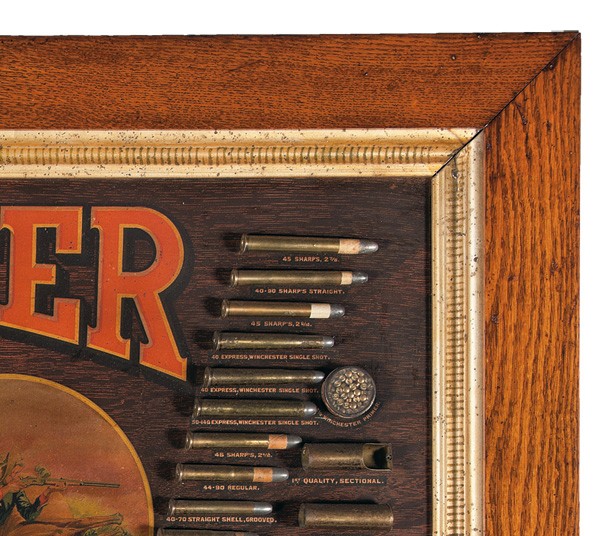
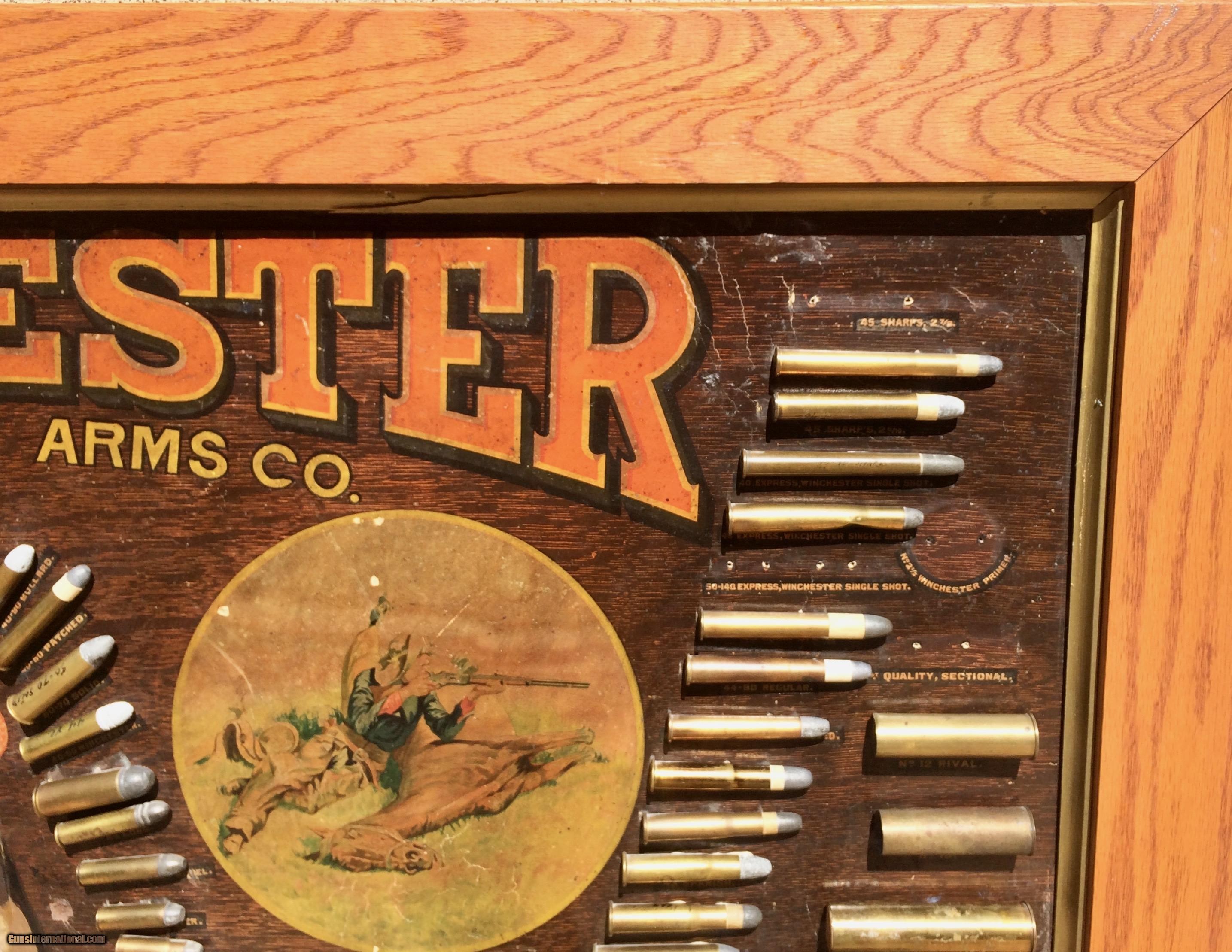
Tell that to the 1890 Winchester Cartridge Board!
On that board it is listed as the “50-140 Express, Winchester Single Shot”. That name / nomenclature is very specific towards calling it a Winchester cartridge. Right above it are two 40 Express Winchester Single Shot cartridges, one being the paper patched version the other being the grooved bullet version. When you look at the other cartridges on the board, there are plenty others that are cartridges marked with the word “SHARP’S” on the board above and below the 50-140 Winchester Express and elsewhere on the board.
The cartridge was certainly not a cataloged cartridge. Just like the 70-150 Express cartridge. It also is on the board. They’re certainly considered experimental and I don’t think any know boxes of cartridges are known for either of them.
Sincerely,
Maverick
WACA #8783 - Checkout my Reloading Tool Survey!
https://winchestercollector.org/forum/winchester-research-surveys/winchester-reloading-tool-survey/
April 15, 2005
Online
Maverick said
Bert H. said
It is not a “Winchester” cartridge… they never claimed it, or even catalogued it.
Tell that to the 1890 Winchester Cartridge Board!
On that board it is listed as the “50-140 Express, Winchester Single Shot”. That name / nomenclature is very specific towards calling it a Winchester cartridge. Right above it are two 40 Express Winchester Single Shot cartridges, one being the paper patched version the other being the grooved bullet version. When you look at the other cartridges on the board, there are plenty others that are cartridges marked with the word “SHARP’S” on the board above and below the 50-140 Winchester Express and elsewhere on the board.
The cartridge was certainly not a cataloged cartridge. Just like the 70-150 Express cartridge. It also is on the board. They’re certainly considered experimental and I don’t think any know boxes of cartridges are known for either of them.Sincerely,
Maverick
Interesting, but I have yet to ever find it listed in any of the period Winchester catalogs.
Both of the 50-3 ¾” rifles were apparently ordered by the same buyer (the Order # is the same for both), and interestingly each with its own specified barrel size and rifling twist rate.
Both rifles (s/n 63042 and 66662) were received in the warehouse on March 13th, 1894 and shipped to Order # 8884 on March 15th, 1894… 4-years later than the Winchester cartridge board.
S/N 63042

S/N 66362

Bert
WACA Historian & Board of Director Member #6571L
December 9, 2002
Offline
steve004 said
Tony –
As you may recall, there has been no finality in positively identifying what .50 caliber cartridge the Camp .50 took. No one has ever seen a box of cartridges. The cartridges in the group below all fit the chamber of my Camp 50. They are, 50-70 shot, 50-95 shot, 50-110 shot and regular 50-110 cartridge. I’m not saying they all feed through the action. But given they all fit the chamber, I wonder if the .50-140 cartridge would fit the chamber?! I’m sure I’d have to take the barrel off to try.
The shot of the rifle with a cartridge sitting on top of the magazine follower – the cartridge is a .50-110 shot cartridge. Sorry about my poor job of adding photos.
Steve,
In the Frank Barnes, “Cartridges of the World”, 13 th edition, which is one of the relatively older editions, as it mostly hasn’t changed besides more modern graphics. IMO! The facts inside are the same.
Under the .50-140 (3 1/4 inch, Sharps, .50-140 Winchester Express cartridge listing on page #158, at the end of the General Comments, it states, “Sharps rifles used .509-inch diameter bullets, while Winchester used .512 inch diameter.” Interesting!
Steve,
It also states, “The Basic duplicates this case”! Again Interesting, as I understand this to reference the “Basic .50 Caliber”.
Tony
December 9, 2002
Offline
Bert,
First of all thanks for posting the information on the up dated of at least 875, .50 caliber S.S. rifles as I was shy of older printed info, of about 500.
I do find it interesting that these two M-1885 S.S. rifles we’re mfg. in 1894.
BERT Said,
Interesting, but I have yet to ever find it listed in any of the period Winchester catalogs.
Both of the 50-3 ¾” rifles were apparently ordered by the same buyer (the Order # is the same for both), and interestingly each with its own specified barrel size and rifling twist rate.
Both rifles (s/n 63042 and 66662) were received in the warehouse on March 13th, 1894 and shipped to Order # 8884 on March 15th, 1894… 4-years later than the Winchester cartridge board.
S/N 63042
S/N 66362
Bert
Brady,
Very interesting and important also.
Tell that to the 1890 Winchester Cartridge Board!
On that board it is listed as the “50-140 Express, Winchester Single Shot”. That name / nomenclature is very specific towards calling it a Winchester cartridge. Right above it are two 40 Express Winchester Single Shot cartridges, one being the paper patched version the other being the grooved bullet version. When you look at the other cartridges on the board, there are plenty others that are cartridges marked with the word “SHARP’S” on the board above and below the 50-140 Winchester Express and elsewhere on the board.
The cartridge was certainly not a cataloged cartridge. Just like the 70-150 Express cartridge. It also is on the board. They’re certainly considered experimental and I don’t think any know boxes of cartridges are known for either of them.
Sincerely,
Maverick
I’m enjoying the additional comments and information, as we all can benefit from thread post!
There still hasn’t been any printed information known or listed in Brochures or Catalogs, of this .50-140 cartridge, by Sharps or Winchester, but some very interesting stuff has been brought back to light.
Knowing and showing, that the .70-150 was also listed on the cartridge board, and an “Experimental” cartridge, can we assume that Winchester was “Experimenting”, with the .50-140 cartridge also? No Cartridge Boxes are known in the .50-140, as was stated previously, but we do have proof of a few cartridges.
Winchester who was pretty good at promoting they’re products back in the day, and nothing in print has been found in a Winchester brochures, or catalogs, yet we see examples on an 1890 cartridge board, and Bert, clearly shows records, from the factory ledgers, in 1894, of two 1885 S.S. Rifles with this interesting cartridge.
Tony
November 7, 2015
Offline
Something that makes the Sharps and Winchester names for this cartridge interesting is the word “Express”. Winchester was quite fond of the term generally applied to cartridges of generous powder capacity and light-for-caliber bullets. The 3 1/4″case certainly had the case capacity but the bullets listed in the Barnes reference don’t seem light to me. Maybe the person who ordered the Single Shots in Bert’s ledger excerpts wanted to use heavy as well as light bullets. Is it possible the bullet diameters referenced by Barnes were paper patched for the Sharps?
Mike


1 Guest(s)
