

 Log In


March 14, 2022
 Offline


kevindpm61 said
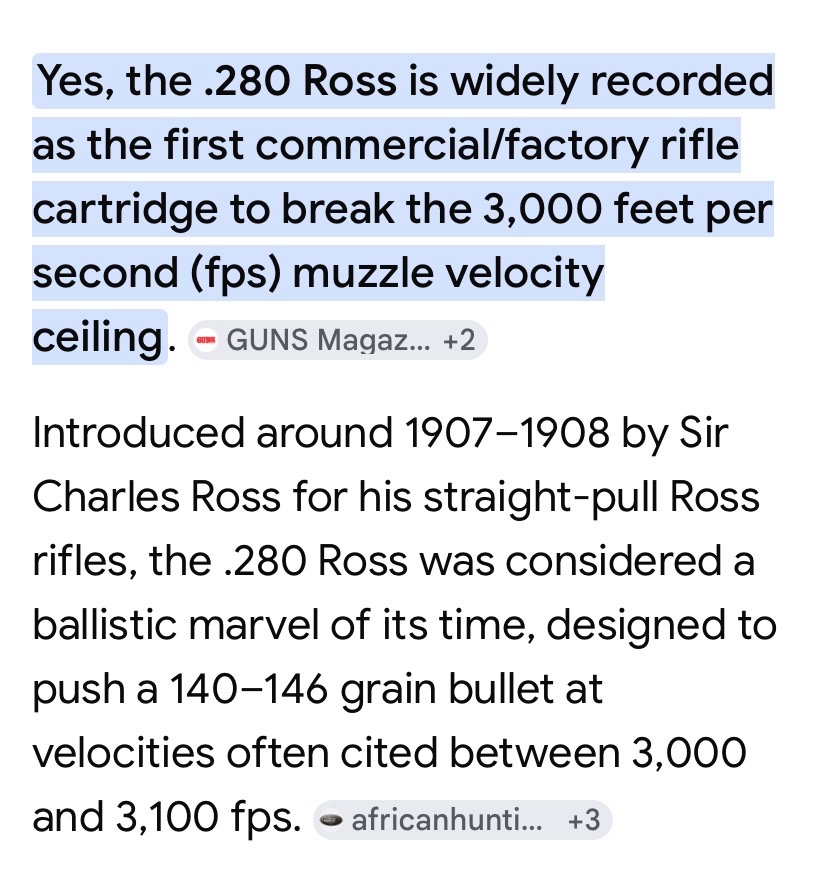
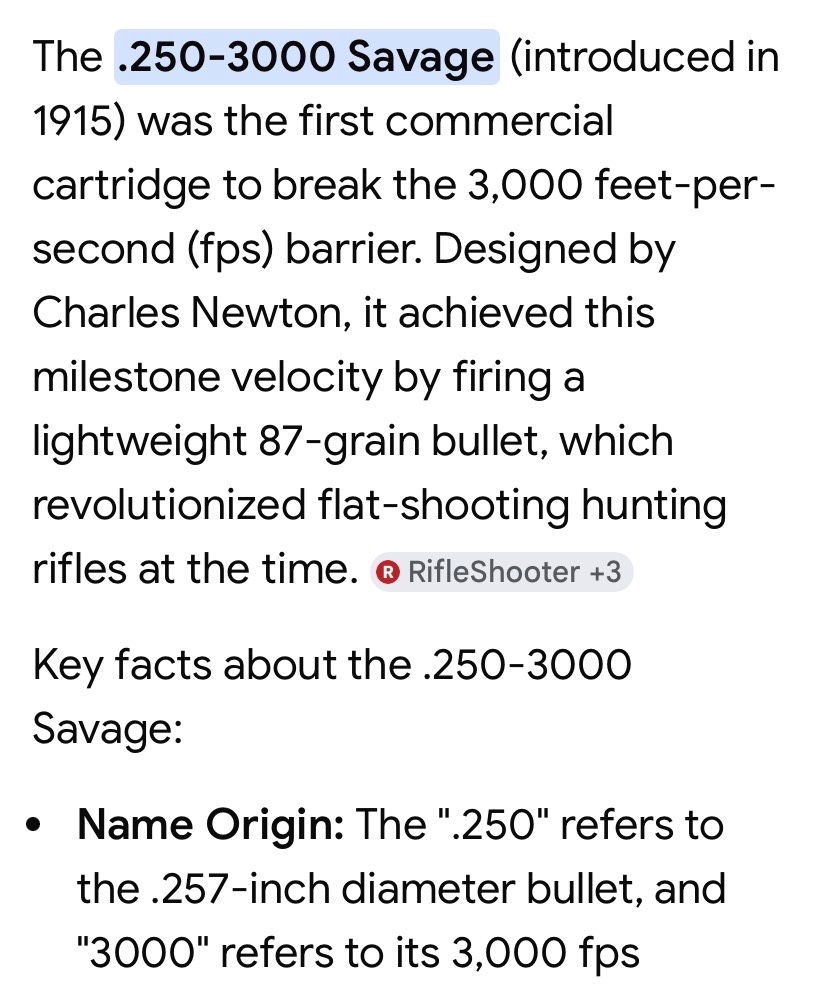
Somebody can correct me if I’m wrong but, I think the 250-3000 was the first American cartridge to go over 3000 ft./s. I believe it was the 280 Ross that went over 3000 ft./s first
I believe you may be correct, when you search it up, this is what I found. 🤷🏼♂️
Rick C

November 19, 2006
Offline
kevindpm61 said
Somebody can correct me if I’m wrong but, I think the 250-3000 was the first American cartridge to go over 3000 ft./s. I believe it was the 280 Ross that went over 3000 ft./s first
Well Kevin… Absolutely! The .280 Ross was a very impressive development. I am very familiar with this cartridge. Ballistics, case capacity and bullet is very similar to the 7mm Remington Magnum. The big difference is the .280 Ross came out 55 years earlier than the 7 Rem mag.
By the way, I’ve enjoyed the Savage photos and I could post a few myself, but I see there’s a scarcity of .280 Ross photos so I can fix that. Here’s an M-10:
The post Ross M1905 actions (i.e. the M1907 Scotch Deerstalker and the M-10 sporter) started in 1907 and very closely resembled the Weatherby Mk V multi-lug action that Roy came out in 1958. The Ross action had no comparison as far as strength (as was proven by E.C. Crossman in his destruction testing of various rifle actions). I recall Crossman took a .280 Ross case, filled it with a pistol powder (of the day of course). He filled it to the top of the case mouth and then used a bullet to keep compressing deeper in the case. He then greased the case and fired it. And he could not blow the action! The rifle was damaged but the action didn’t blow.
November 19, 2006
Offline
Back to Savages – show me your photos of your Model 1895’s SRC’s. I would love to see them. I have none to show but sure wish I did.

January 20, 2023
Offline
In passing, I have killed more Whitetailed deer with a 250-3000 than with anything else. Granted, I don’t shoot at deer at long range (over 250 yards absolute max) but nothing I’ve ever used on a Whitetail killed them any quicker than the 250 in a high lung shot. Many fell like they had been electrocuted. And I’ve killed them with a 30/06, 7mm magnum, 280, 270, 6mm Rem, 243, and 30 Winchester. The two six millimeters needed a controlled expansion bullet but the 250 got it done with plain old 100 grain Power Points out of an 18.5″ barrel. Likely because the bullets impacted at no more than 2500-2600 fs to penetrate but expand violently. Not many exit wounds but the thoracic cavity north of the diaphragm was a mess and the cardiac arteries were exploded. All with pop gun noise and recoil.
- Bill
WACA # 65205; life member, NRA; member, TGCA; member, TSRA; amateur preservationist
"I have seen wicked men and fools, a great many of both, and I believe they both get paid in the end, but the fools first." -- David Balfour, narrator and protagonist of the novel, Kidnapped, by Robert Louis Stevenson.
December 9, 2002
Offline
Interesting!
Bill, what would be the closest other caliber, that you would compare the 250-3000 caliber to?
I killed my first, and several other Deer at our PA, hunt camp, with a Savage 99, in the .300 Savage caliber, that worked very well for me, as a rifle loaned me from me future Father in Law, at the time, 50 years ago. Then my Wife bought me a .375 Winchester, and using the 200 gr. factory ammo, we lost count as several made it to the freezer with that tremendous brush gun, on our heavily wooded , and loaded with under brush property.
Tony
January 20, 2023
Offline
Tony, I would suppose it would be the 25 Creedmoor, which is a sort of magnumized 250 Savage.. It operates at considerably higher chamber pressure — 62,000 psi. And is designed to handle heavier bullets at about the same velocity the Savage handles a 100 grain bullet, 2850 fs. The Creedmoor requires a faster rate of twist than the Savage.
- Bill
WACA # 65205; life member, NRA; member, TGCA; member, TSRA; amateur preservationist
"I have seen wicked men and fools, a great many of both, and I believe they both get paid in the end, but the fools first." -- David Balfour, narrator and protagonist of the novel, Kidnapped, by Robert Louis Stevenson.
December 9, 2002
Offline
Bill,
That would make sense, as the .25 Creedmoor seems to be pretty close in comparison. Not that I have experience with either, but it just stands to reason to me.
Tony
November 19, 2006
Offline
steve004 said
kevindpm61 said
Somebody can correct me if I’m wrong but, I think the 250-3000 was the first American cartridge to go over 3000 ft./s. I believe it was the 280 Ross that went over 3000 ft./s first
Well Kevin… Absolutely! The .280 Ross was a very impressive development. I am very familiar with this cartridge. Ballistics, case capacity and bullet is very similar to the 7mm Remington Magnum. The big difference is the .280 Ross came out 55 years earlier than the 7 Rem mag.
By the way, I’ve enjoyed the Savage photos and I could post a few myself, but I see there’s a scarcity of .280 Ross photos so I can fix that. Here’s an M-10:
https://imgur.com/NQWmrck
The post Ross M1905 actions (i.e. the M1907 Scotch Deerstalker and the M-10 sporter) started in 1907 and very closely resembled the Weatherby Mk V multi-lug action that Roy came out in 1958. The Ross action had no comparison as far as strength (as was proven by E.C. Crossman in his destruction testing of various rifle actions). I recall Crossman took a .280 Ross case, filled it with a pistol powder (of the day of course). He filled it to the top of the case mouth and then used a bullet to keep compressing deeper in the case. He then greased the case and fired it. And he could not blow the action! The rifle was damaged but the action didn’t blow.
For anyone wanting to see, here’s what the multi-lug M-10 bolt looks like:

August 27, 2014
Offline
kevindpm61 said
Somebody can correct me if I’m wrong but, I think the 250-3000 was the first American cartridge to go over 3000 ft./s. I believe it was the 280 Ross that went over 3000 ft./s first
Pretty sure it was the 256 Newton on both counts
“If you can’t convince them, confuse them”
President Harry S. Truman
November 19, 2006
Offline
Tedk said
kevindpm61 said
Somebody can correct me if I’m wrong but, I think the 250-3000 was the first American cartridge to go over 3000 ft./s. I believe it was the 280 Ross that went over 3000 ft./s first
Pretty sure it was the 256 Newton on both counts
The .256 Newton preceded the .250-3000 by two years I believe. The .280 Ross came out in 1907 but of course it wasn’t an American cartridge.
August 27, 2014
Offline
steve004 said
Tedk said
kevindpm61 said
Somebody can correct me if I’m wrong but, I think the 250-3000 was the first American cartridge to go over 3000 ft./s. I believe it was the 280 Ross that went over 3000 ft./s first
Pretty sure it was the 256 Newton on both counts
The .256 Newton preceded the .250-3000 by two years I believe. The .280 Ross came out in 1907 but of course it wasn’t an American cartridge.
Per “Cartridges of the World” top velocity for the 280 Ross was achieved with a 140 gr SP at 2,900 ft/s
fwiw Wikipedia also notes that the 280 Ross “was the first practical cartridge to reach the edge of 3000 ft/s muzzle velocity”
“If you can’t convince them, confuse them”
President Harry S. Truman
January 20, 2023
Offline
When I first saw a 256 Newton cartridge, it occurred to me someone at Winchester might have had more than a glance at one as well. The 270 WCF looks remarkably like the Newton, except for the minor difference in bullet diameter.
Of course, neither was a long reach since both are based on the 30 Govt ’06.
It does prove some lawyers have a remarkable and inventive imagination. It was unfortunate Newton couldn’t imagine World War I.
- Bill
WACA # 65205; life member, NRA; member, TGCA; member, TSRA; amateur preservationist
"I have seen wicked men and fools, a great many of both, and I believe they both get paid in the end, but the fools first." -- David Balfour, narrator and protagonist of the novel, Kidnapped, by Robert Louis Stevenson.
November 19, 2006
Offline
Sources will differ and I’ve never chronographed factory ammo.
This from the African Hunting Gazette:
If backed into a corner at gunpoint and forced to name my candidate for “most influential cartridge” of the 20th century, I would probably say it was the .280 Ross.
There is no shortage of candidates, and the .375 H&H would be my second choice. But while the .375 H&H has the most grandchildren, it was hardly the most influential. The Ross set in motion a quest for small-caliber, high-velocity performance that continues to this day. We can trace that influence through the .275 H&H, .270 Winchester, and 7mm Remington, right through to the over-long, over-wrought 7mm creations that are now raising dust and causing deafness.
The Ross’s standard load of a 146-grain bullet at 3,100 feet per second (fps) was the first commercial cartridge to breach the 3,000 fps barrier. That velocity instantly became the goal for others, and the benchmark for measuring every new cartridge to come along.
https://africanhuntinggazette.com/sir-charless-baby-110-years/
December 9, 2002
Offline
You Gentlemen have put up some very interesting comparisons, as many of you have some remarkable experience with many different manufactures, and it sure make the history of the gun, more interesting as we move forward.
The vast knowledge that the many different members here have and are willing to share, always amazes me!
Steve, That Lug diagram is something to behold also!
Tony
January 20, 2023
Offline
Just to add zest to the brew, I submit that Charles Newton did not invent the 250-3000 cartridge. The cartridge Newton wanted Savage to adopt for the Model 99 Savage was a creation based on the rimmed .30 Krag case, necked down to 25 caliber.
Harvey Donaldson was well known to Savage engineers and often used the company’s range and other facilities for testing whatever design he was working on. According to some sources, an engineer tasked with evaluating Newton’s cartridge for the Model 99 was bellyaching about it to Donaldson and Donaldson recommended he just shorten the .30 Gov’t ’06 case and neck it down to .257. Although the 99 had not been chambered before for a rimless cartridge, all that was required was a change of extractor. Donaldson recommended a 100 grain bullet but the sales department was hot for breaking the 3,000 fs barrier and it took an 87 grain bullet to do that. Unfortunately, Savage, following conventions of the day, feared “overstabilizing” the lighter bullet and decided on a 1-14 twist barrel, which created a generation of short-barreled .250 rifles that could not stabilize a 100 grain bullet.
Bill Ruger cut his 250-3000 barrels at 1-10 when Sturm Ruger reintroduced the cartridge in the early Eighties. My old, red pad 77RSi “International” with its 18.5 ” barrel was the most accurate carbine I’ve ever owned.
- Bill
WACA # 65205; life member, NRA; member, TGCA; member, TSRA; amateur preservationist
"I have seen wicked men and fools, a great many of both, and I believe they both get paid in the end, but the fools first." -- David Balfour, narrator and protagonist of the novel, Kidnapped, by Robert Louis Stevenson.
November 19, 2006
Offline
Zebulon said
Just to add zest to the brew, I submit that Charles Newton did not invent the 250-3000 cartridge. The cartridge Newton wanted Savage to adopt for the Model 99 Savage was a creation based on the rimmed .30 Krag case, necked down to 25 caliber.
Harvey Donaldson was well known to Savage engineers and often used the company’s range and other facilities for testing whatever design he was working on. According to some sources, an engineer tasked with evaluating Newton’s cartridge for the Model 99 was bellyaching about it to Donaldson and Donaldson recommended he just shorten the .30 Gov’t ’06 case and neck it down to .257. Although the 99 had not been chambered before for a rimless cartridge, all that was required was a change of extractor. Donaldson recommended a 100 grain bullet but the sales department was hot for breaking the 3,000 fs barrier and it took an 87 grain bullet to do that. Unfortunately, Savage, following conventions of the day, feared “overstabilizing” the lighter bullet and decided on a 1-14 twist barrel, which created a generation of short-barreled .250 rifles that could not stabilize a 100 grain bullet.
Bill Ruger cut his 250-3000 barrels at 1-10 when Sturm Ruger reintroduced the cartridge in the early Eighties. My old, red pad 77RSi “International” with its 18.5 ” barrel was the most accurate carbine I’ve ever owned.
Bill –
That does zest the brew up a good bit. Thanks!
January 20, 2023
Offline
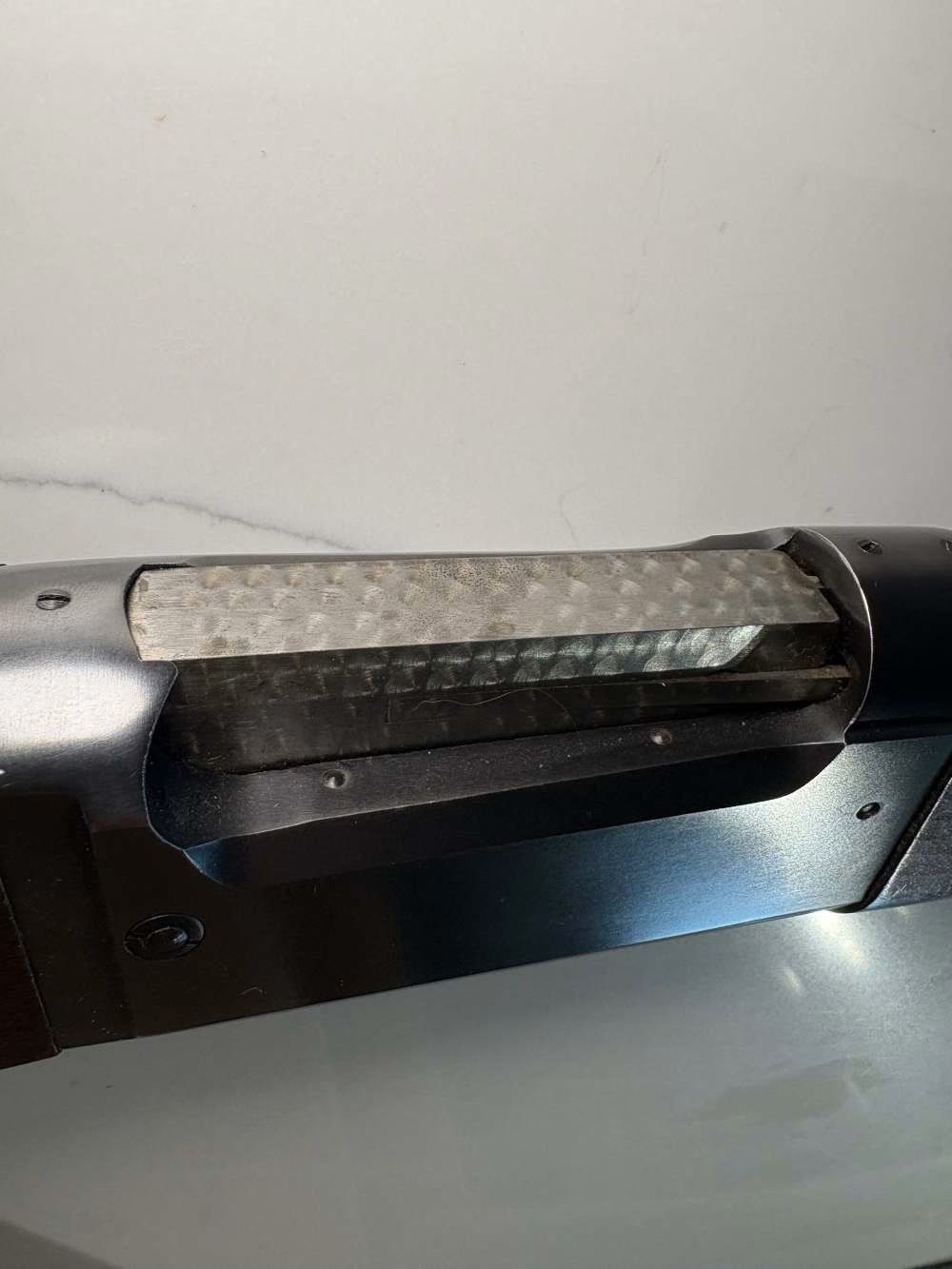
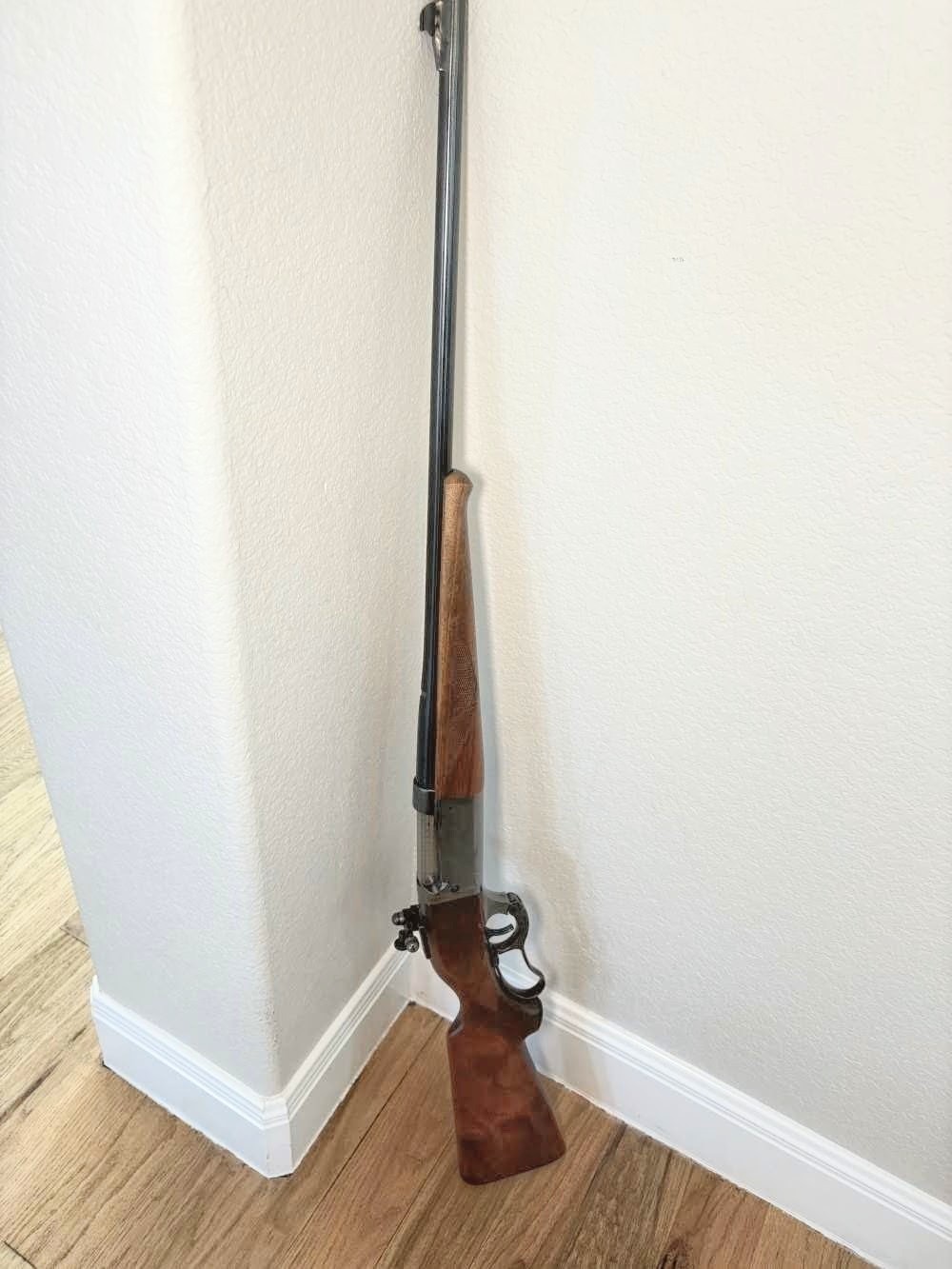
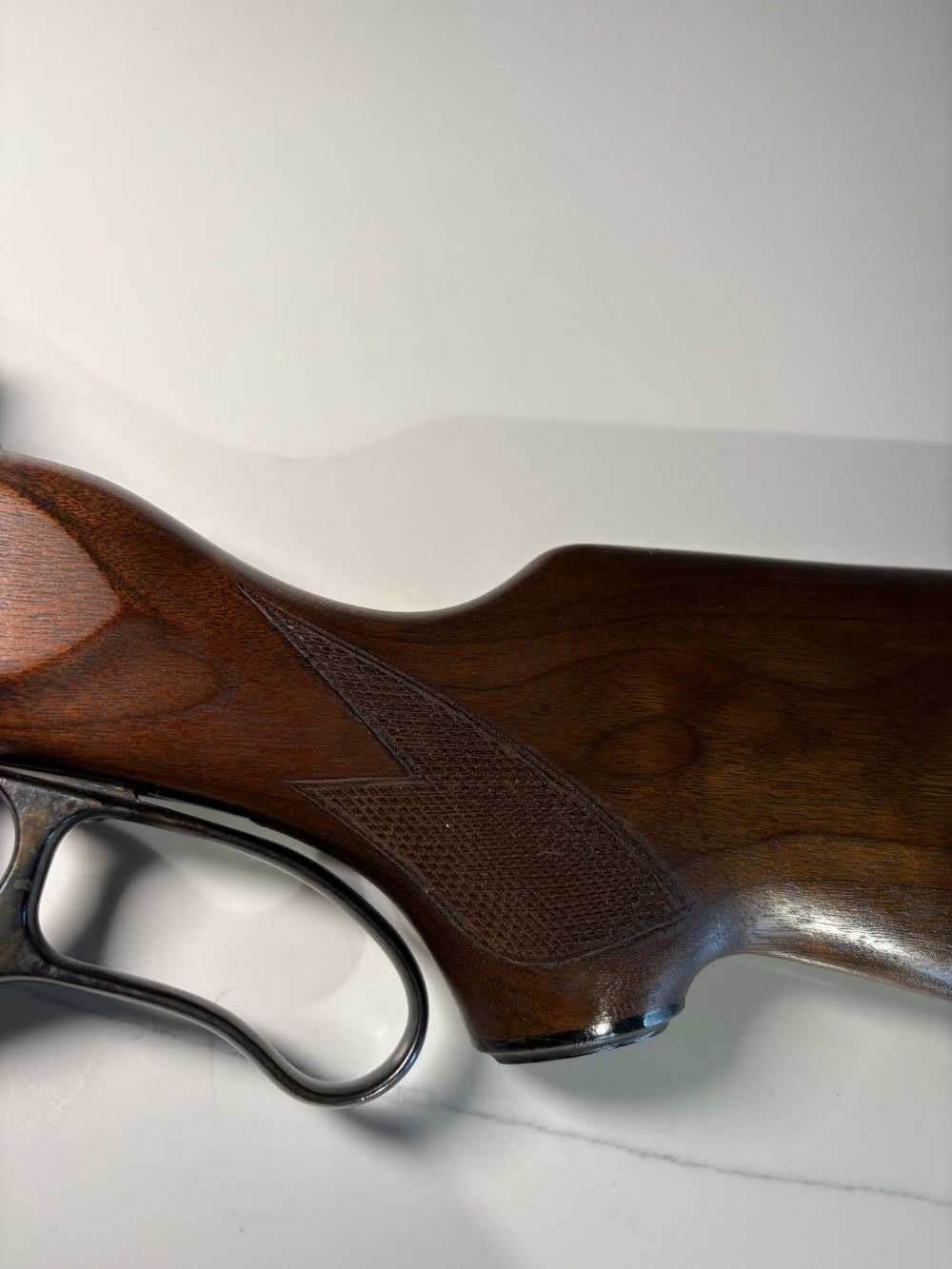
To join in the fun of kicking Buddha’s gong — and inspired by my 1899 indulging fellow members — I’ve broken caste and scored a putatively high condition 1954 Model 99 EG chambered in .300 Savage caliber. Happily, it wears a correct Redfield 70 micrometer receiver sight; one that is beginning to rival the Lyman 48F for price on eBay.
I don’t have it in hand yet, so these are not my pix but the seller’s. I know the 25 caliber version is more popular these days but I’m already set up up for the 300 and like it as a sort of 30 WCF magnum I can load with cup and core spitzers. Although this 1954 specimen is factory d/I’d, I do not intend to scope it. 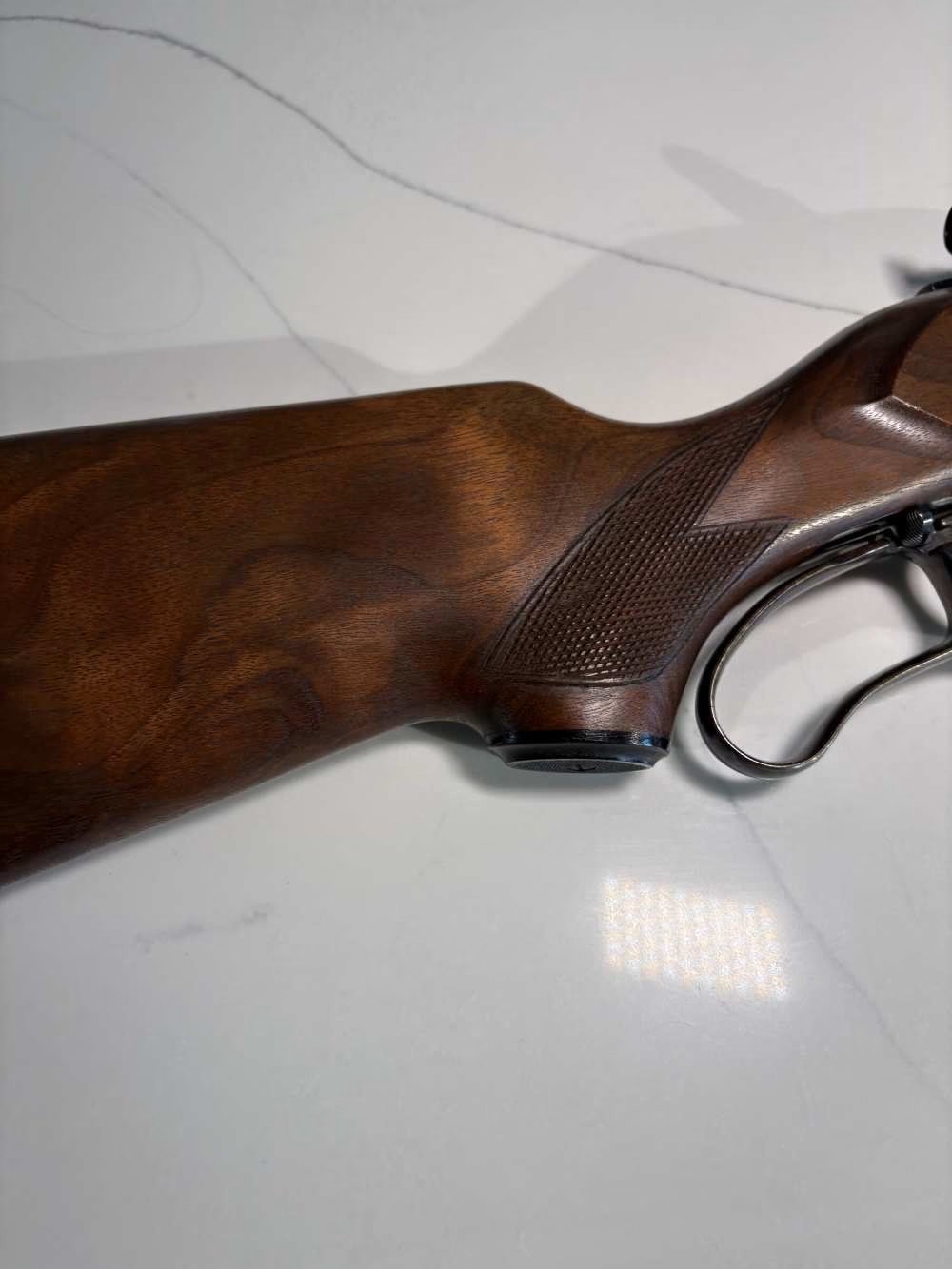
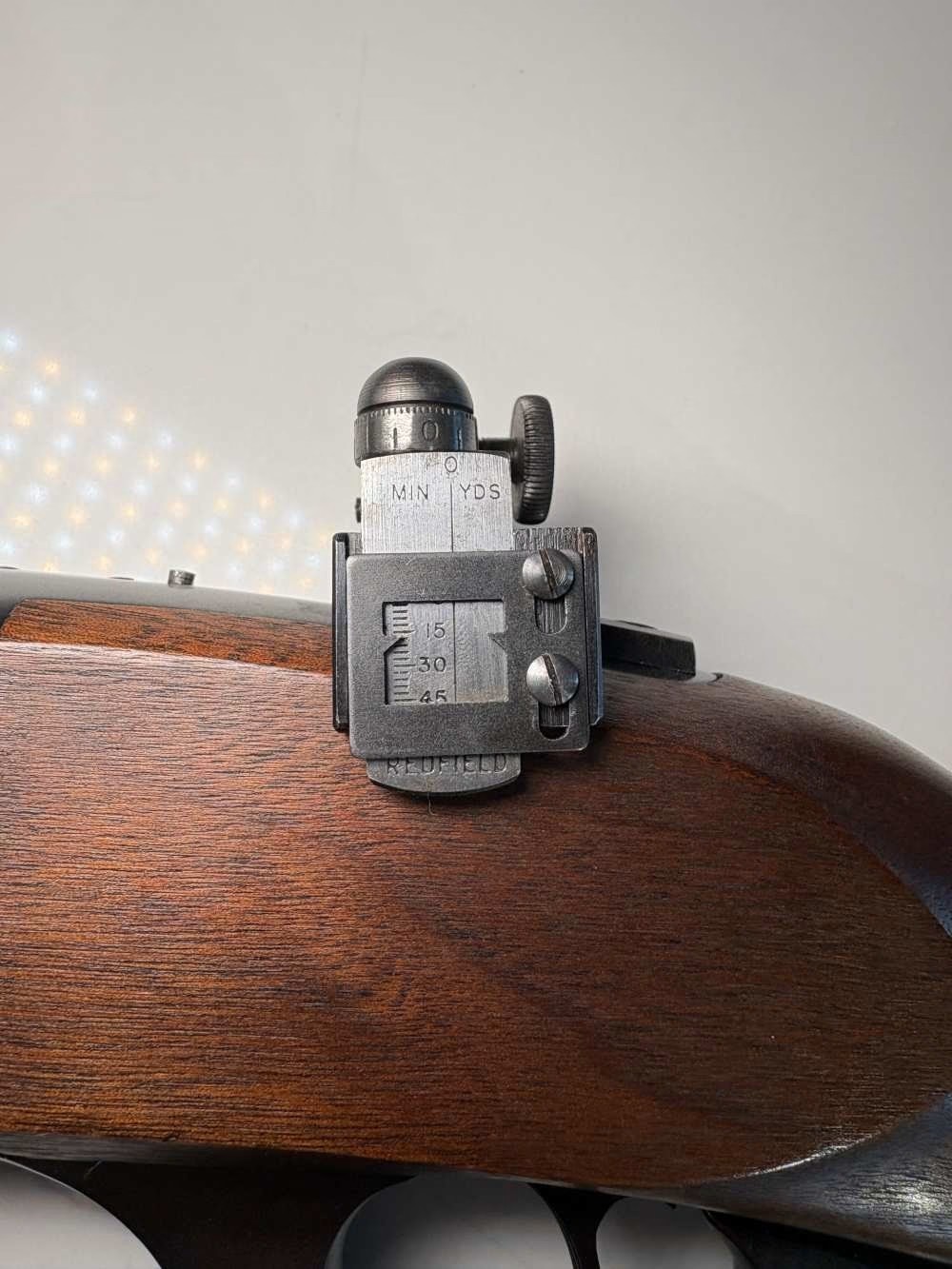
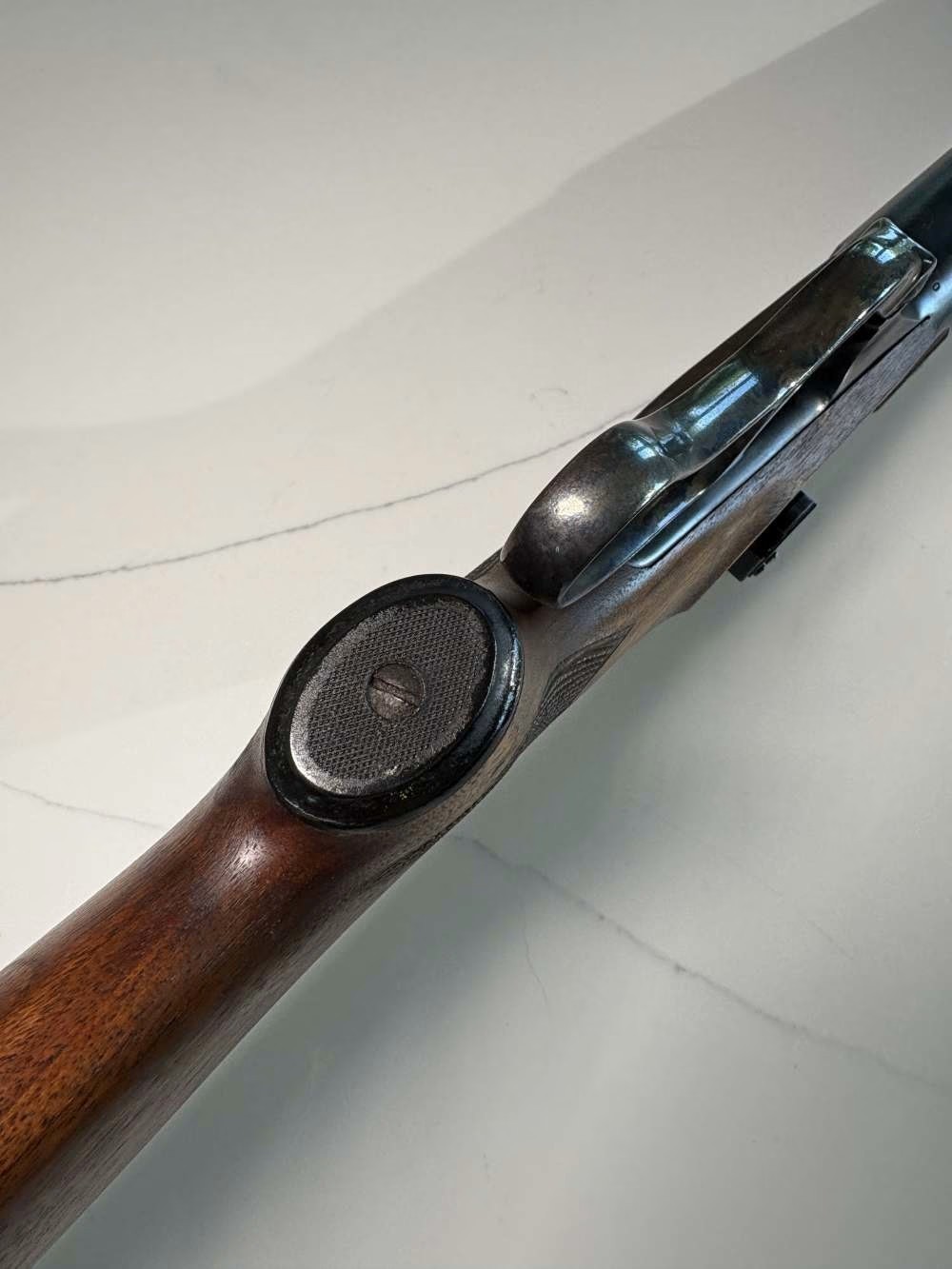
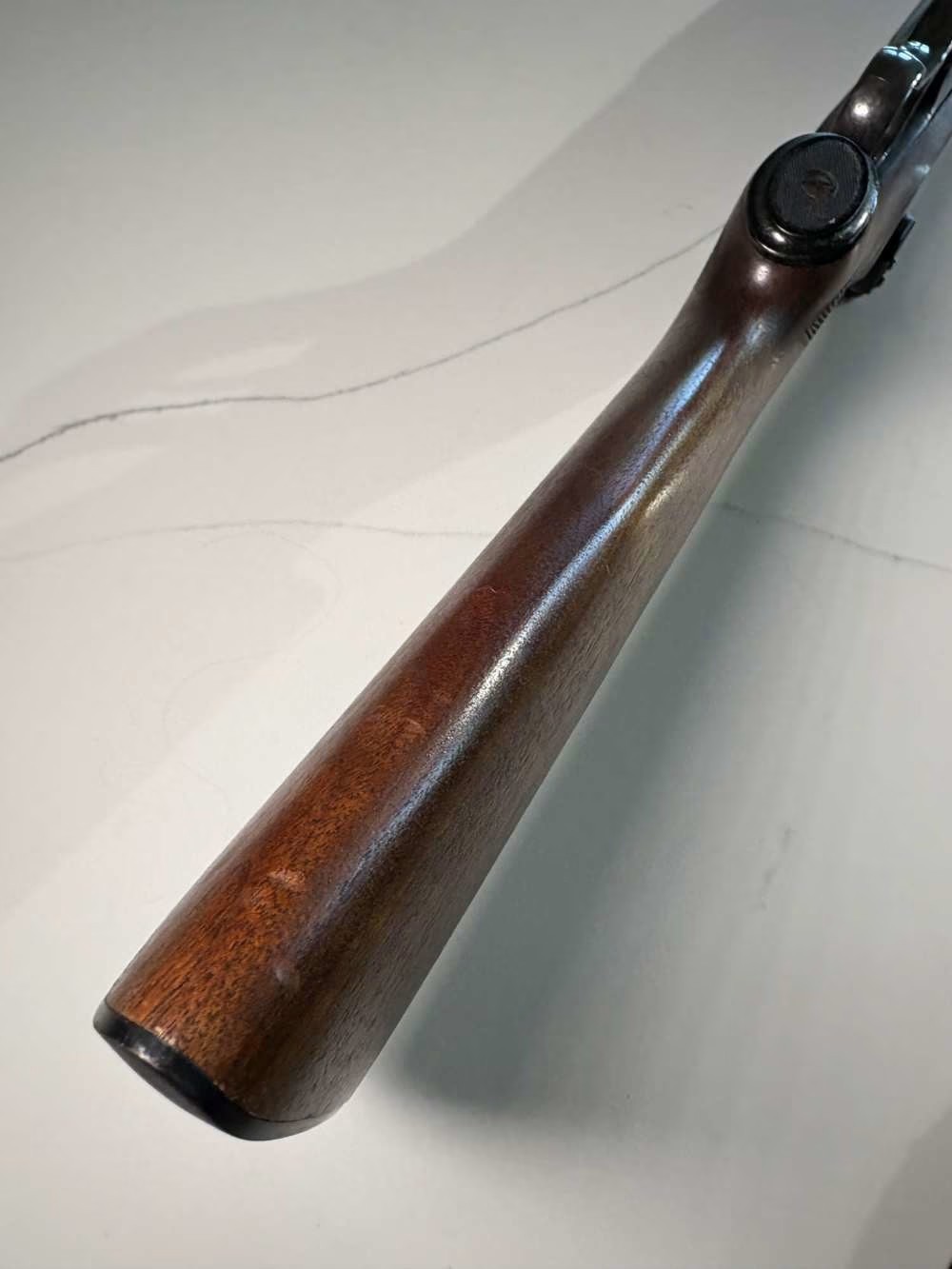
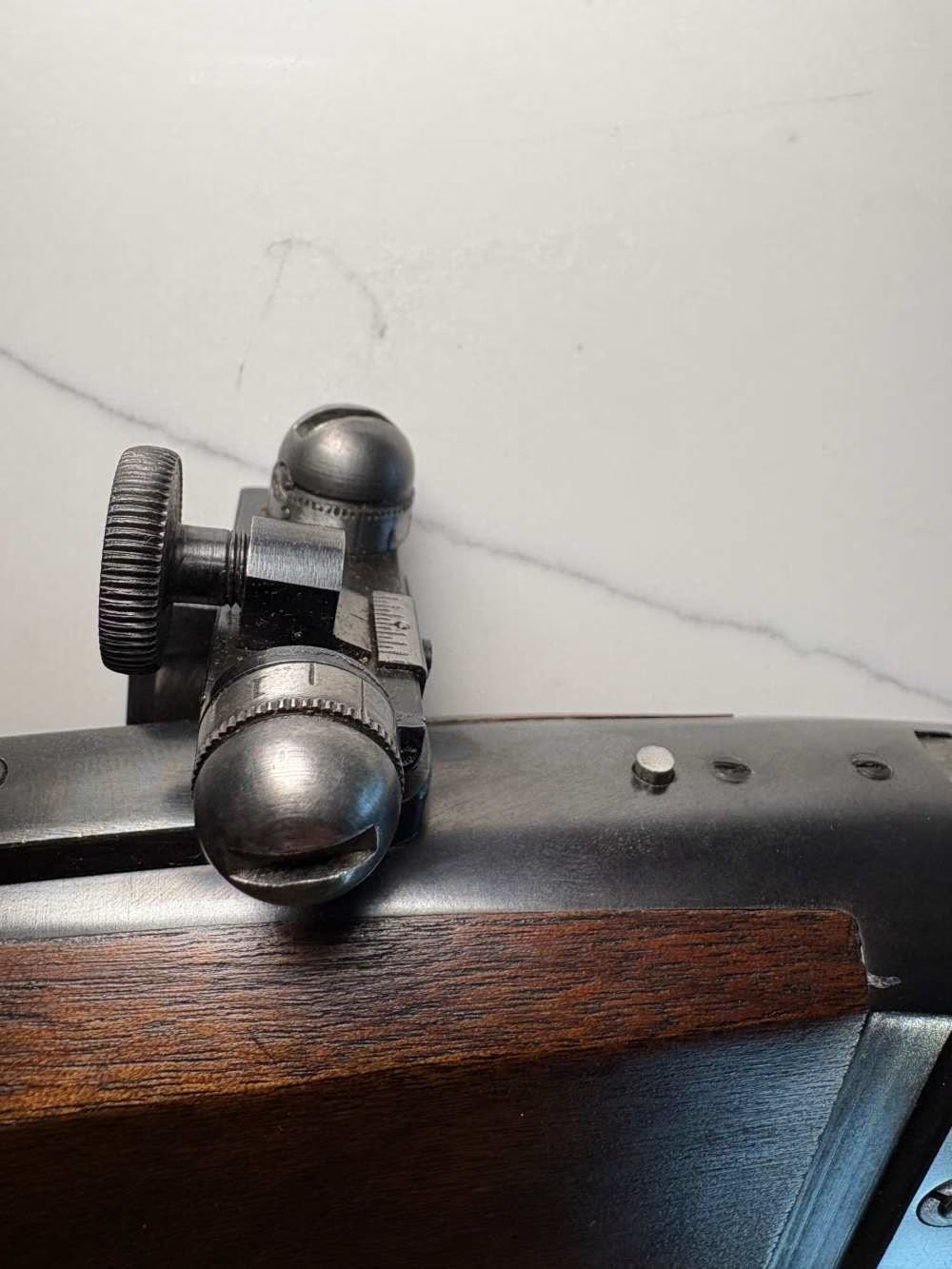
- Bill
WACA # 65205; life member, NRA; member, TGCA; member, TSRA; amateur preservationist
"I have seen wicked men and fools, a great many of both, and I believe they both get paid in the end, but the fools first." -- David Balfour, narrator and protagonist of the novel, Kidnapped, by Robert Louis Stevenson.
March 14, 2022
Offline
Very nice Bill. Excellent condition and I really like the Redfield.
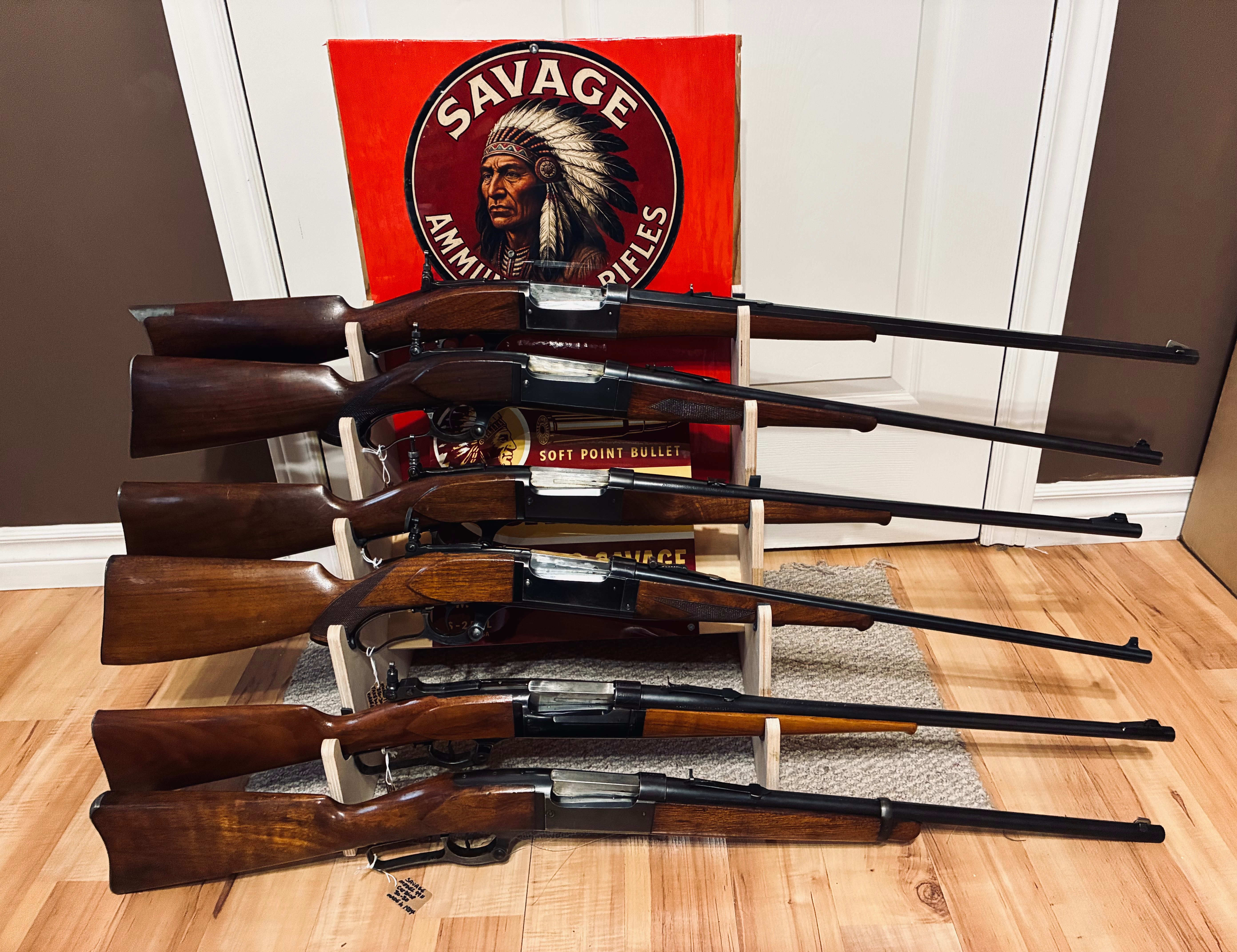
I’ll make one last post on this thread regarding these S arms. I just need to get off my butt and get some pics today. I like to take them outside but it’s been overcast or raining here lately. Stay tuned.
Rick C
March 14, 2022
Offline
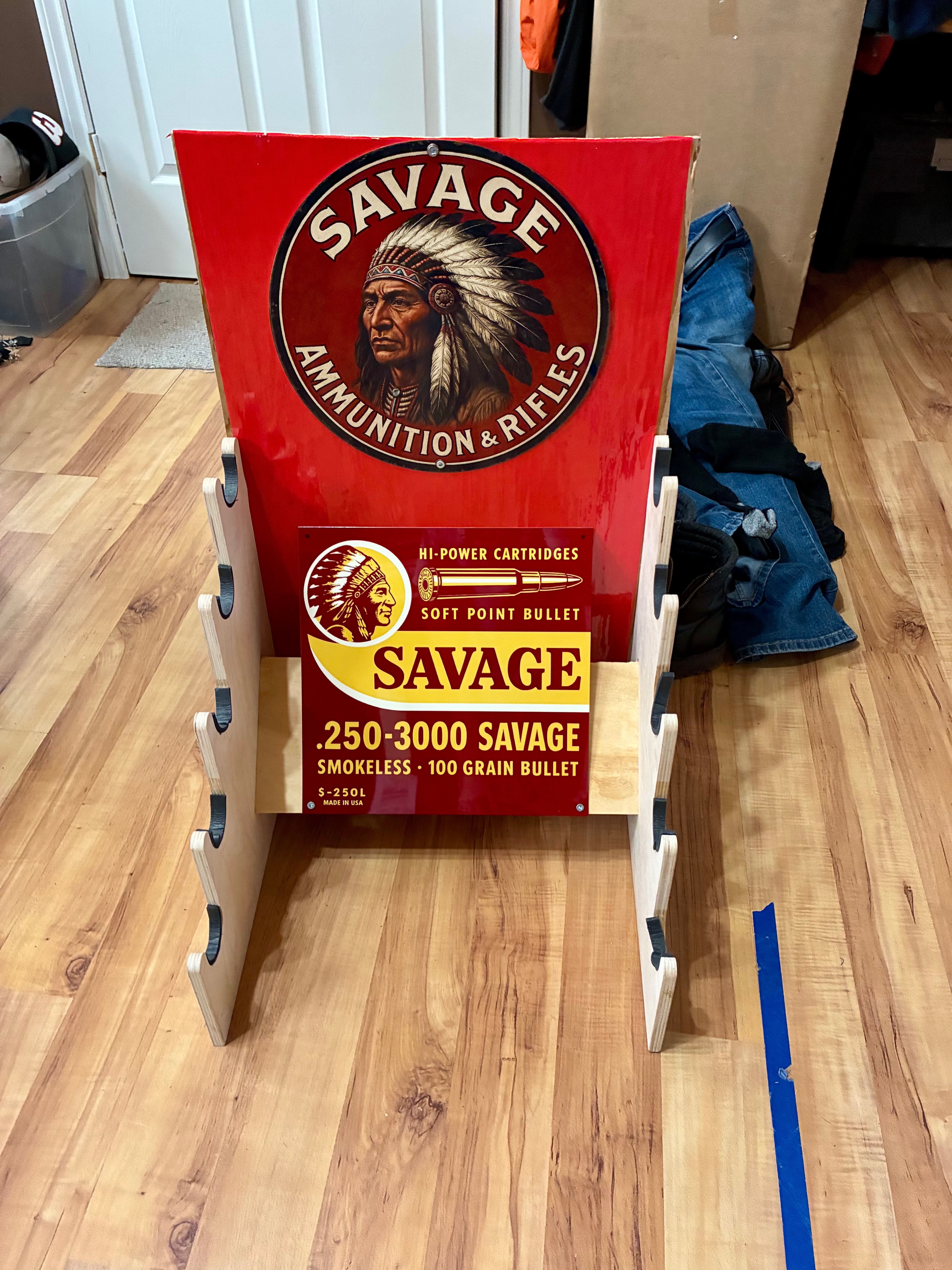
Alright if I get in trouble for this it’s Ian’s Fault for starting it lol.
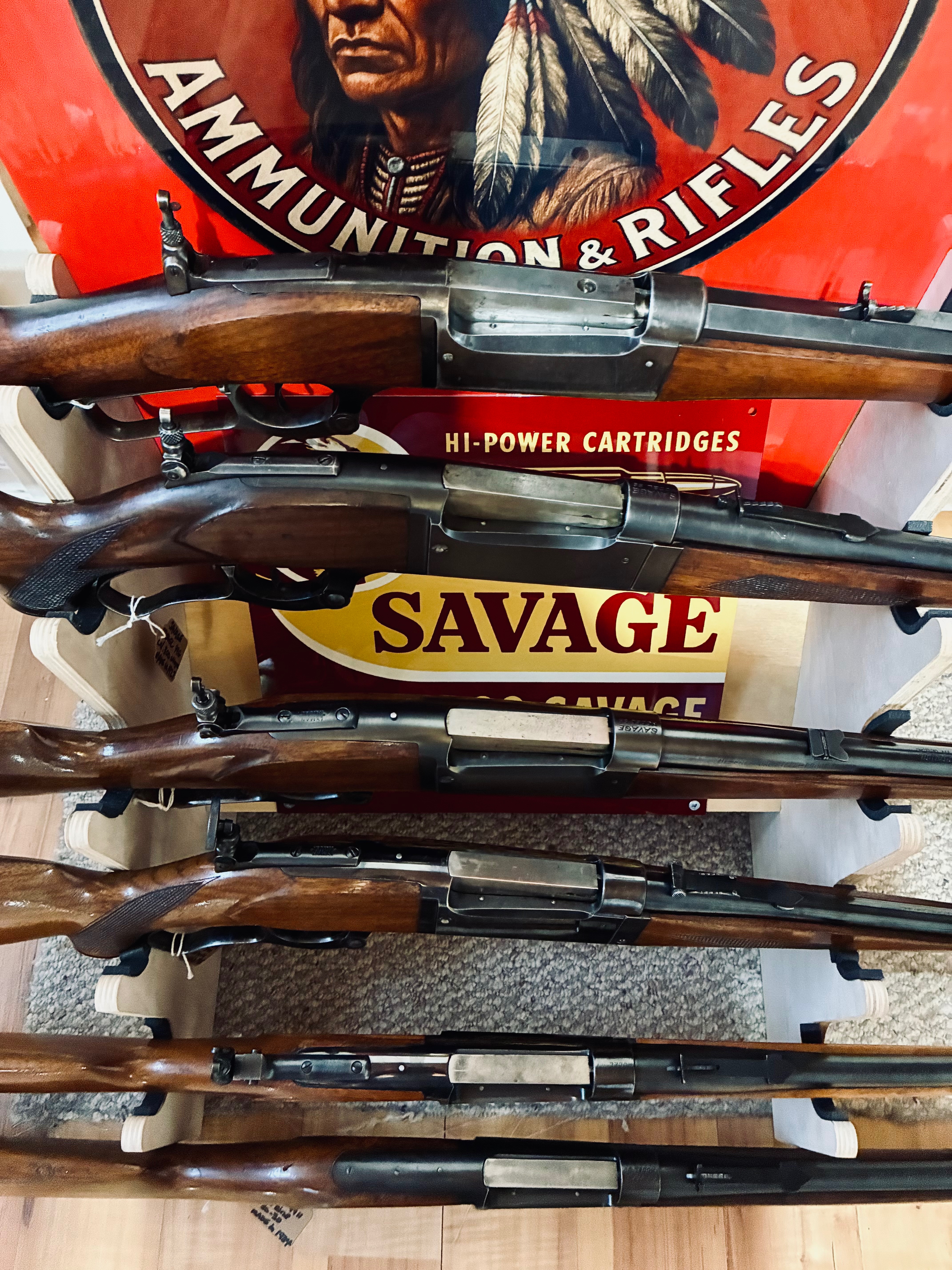
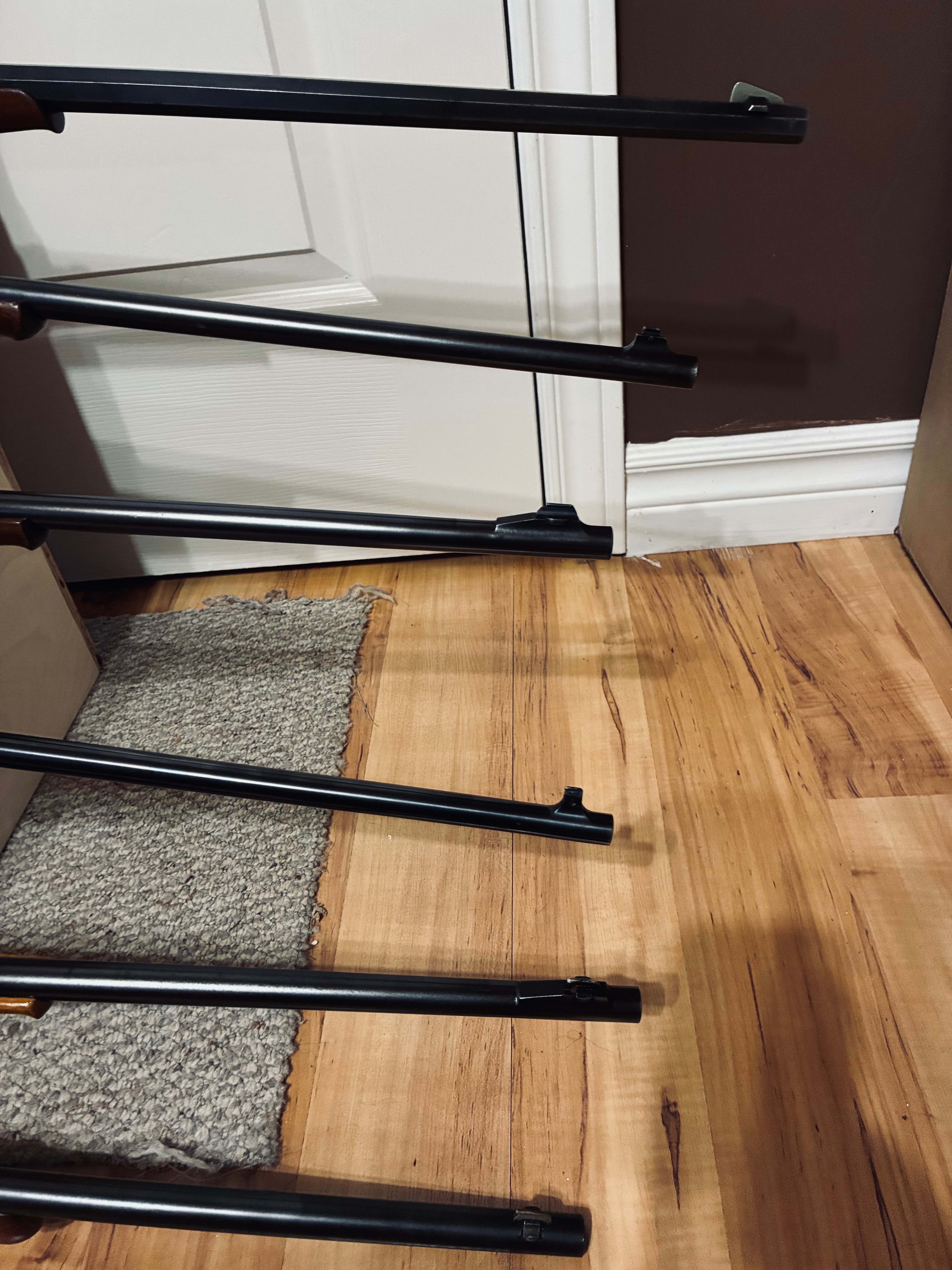
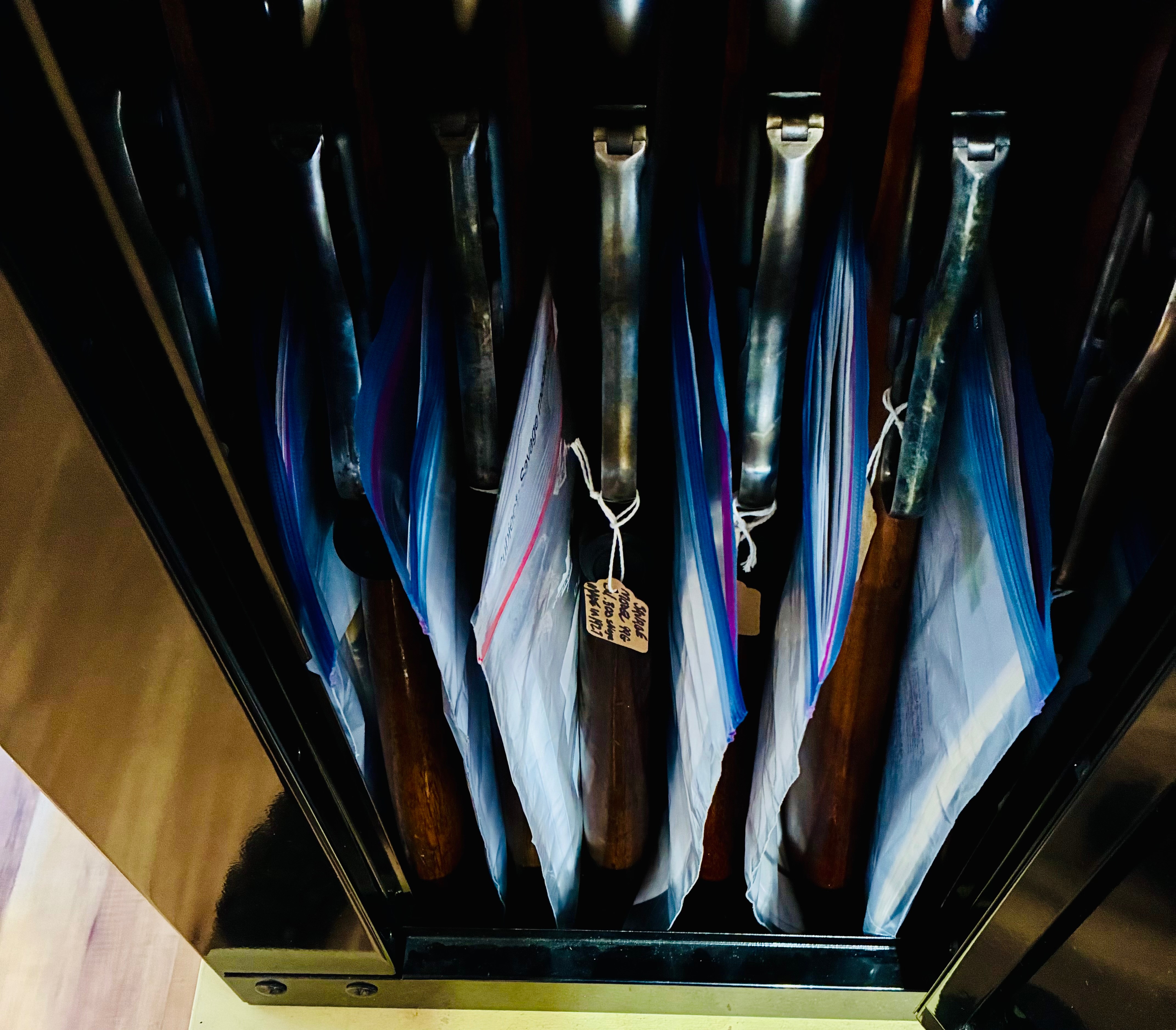
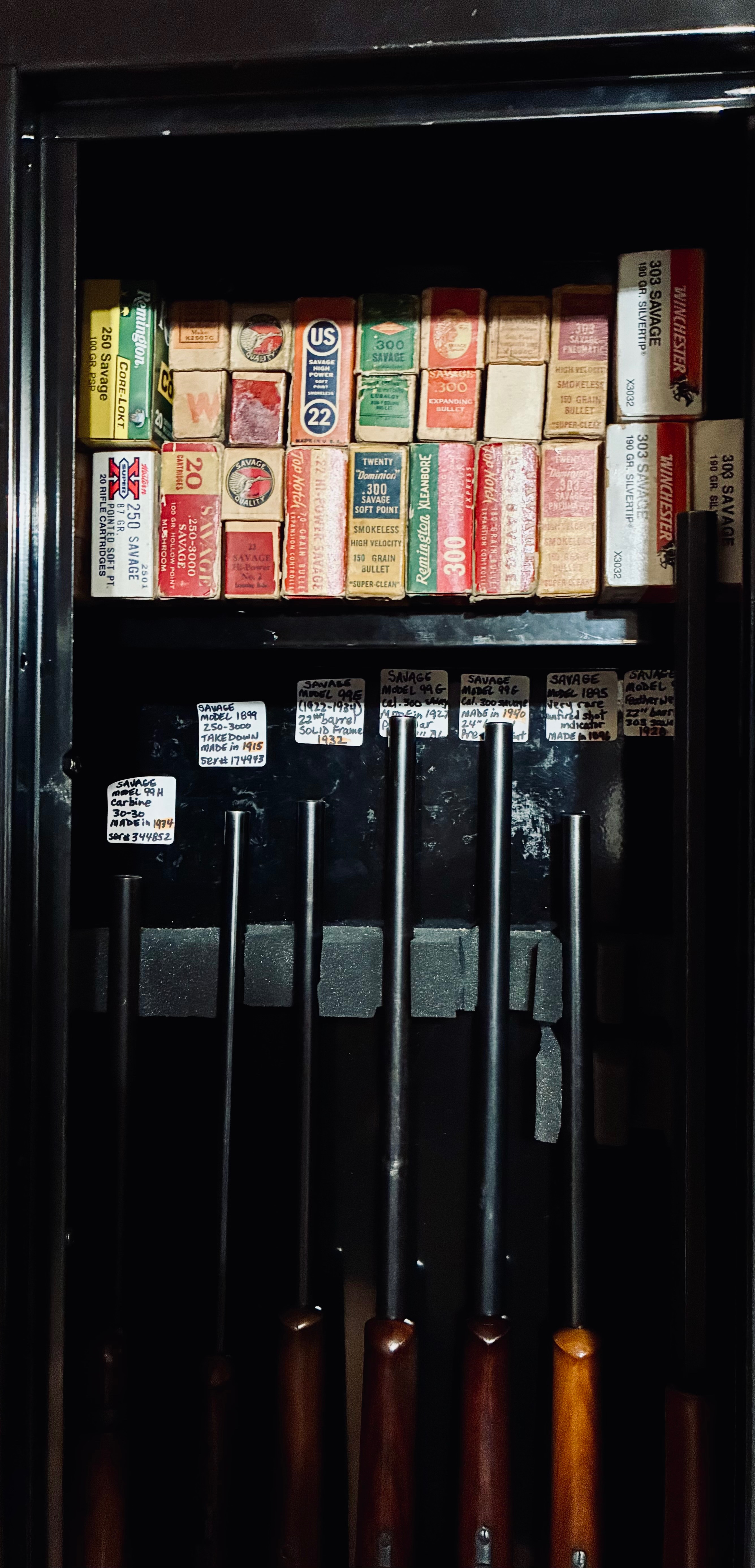
Rick C
January 20, 2023
Offline
Oh, man! That puts me in the shade. But I love it…
- Bill
WACA # 65205; life member, NRA; member, TGCA; member, TSRA; amateur preservationist
"I have seen wicked men and fools, a great many of both, and I believe they both get paid in the end, but the fools first." -- David Balfour, narrator and protagonist of the novel, Kidnapped, by Robert Louis Stevenson.


1 Guest(s)
