

 Log In


February 26, 2021
 Offline

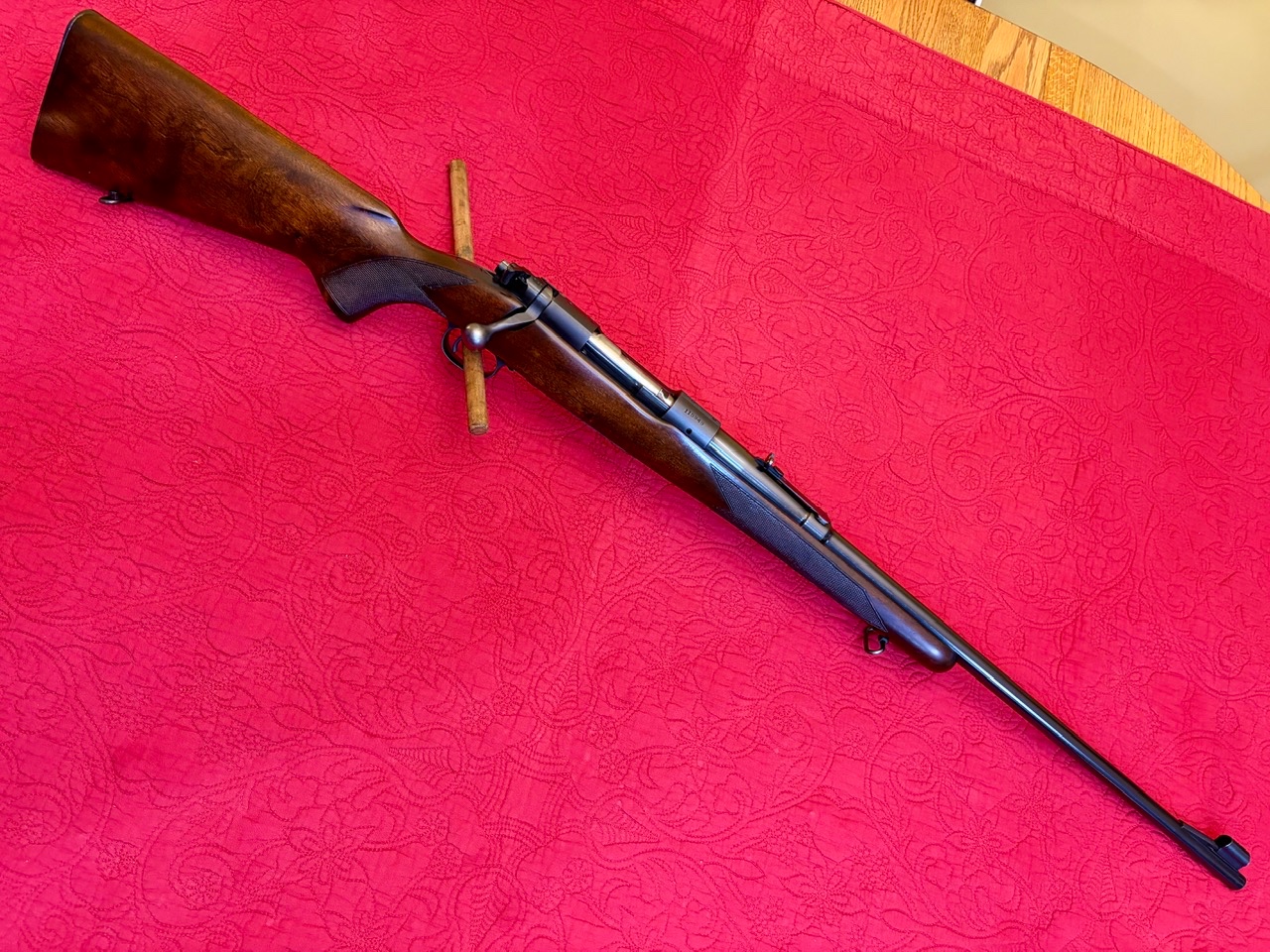
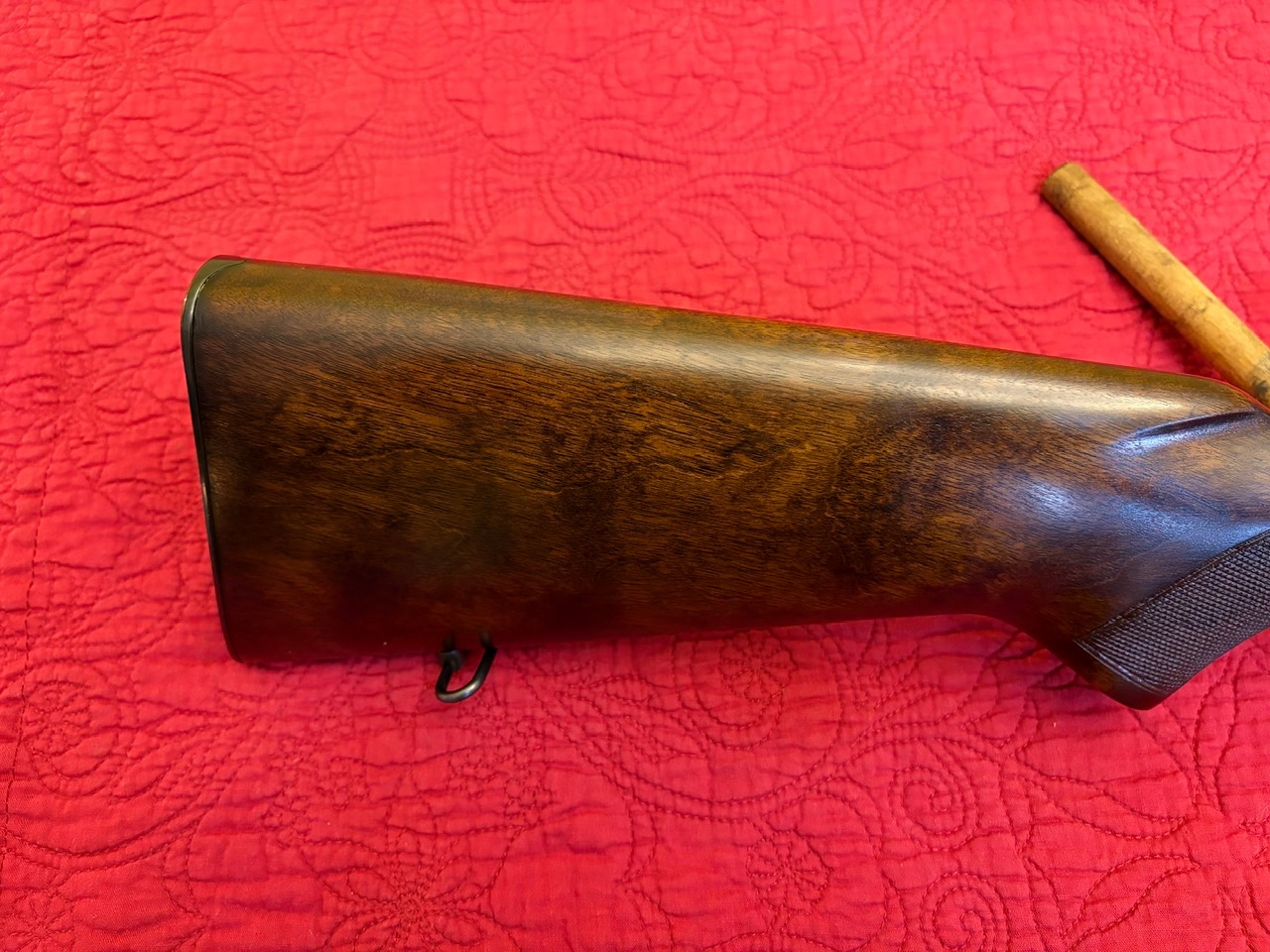
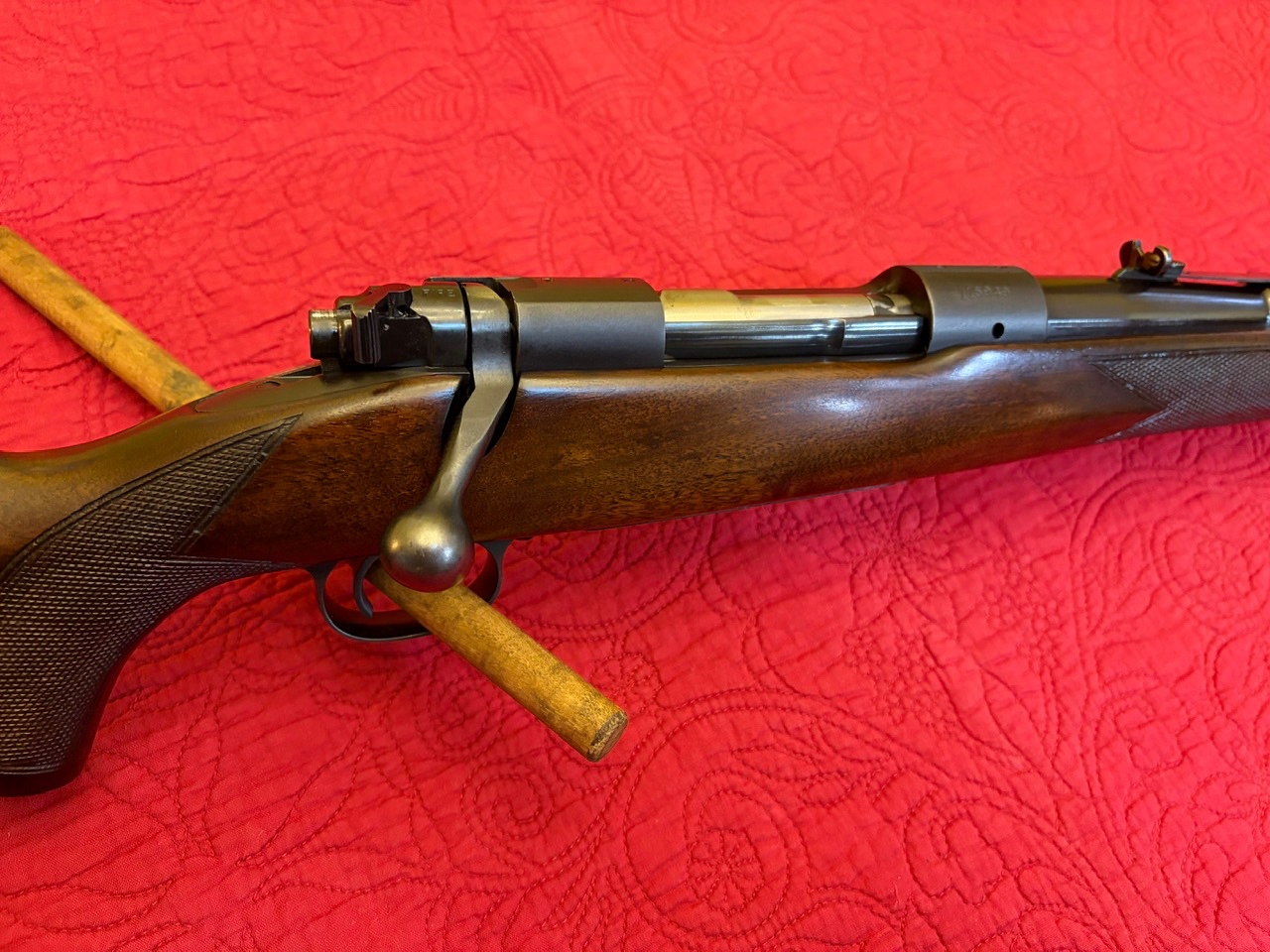
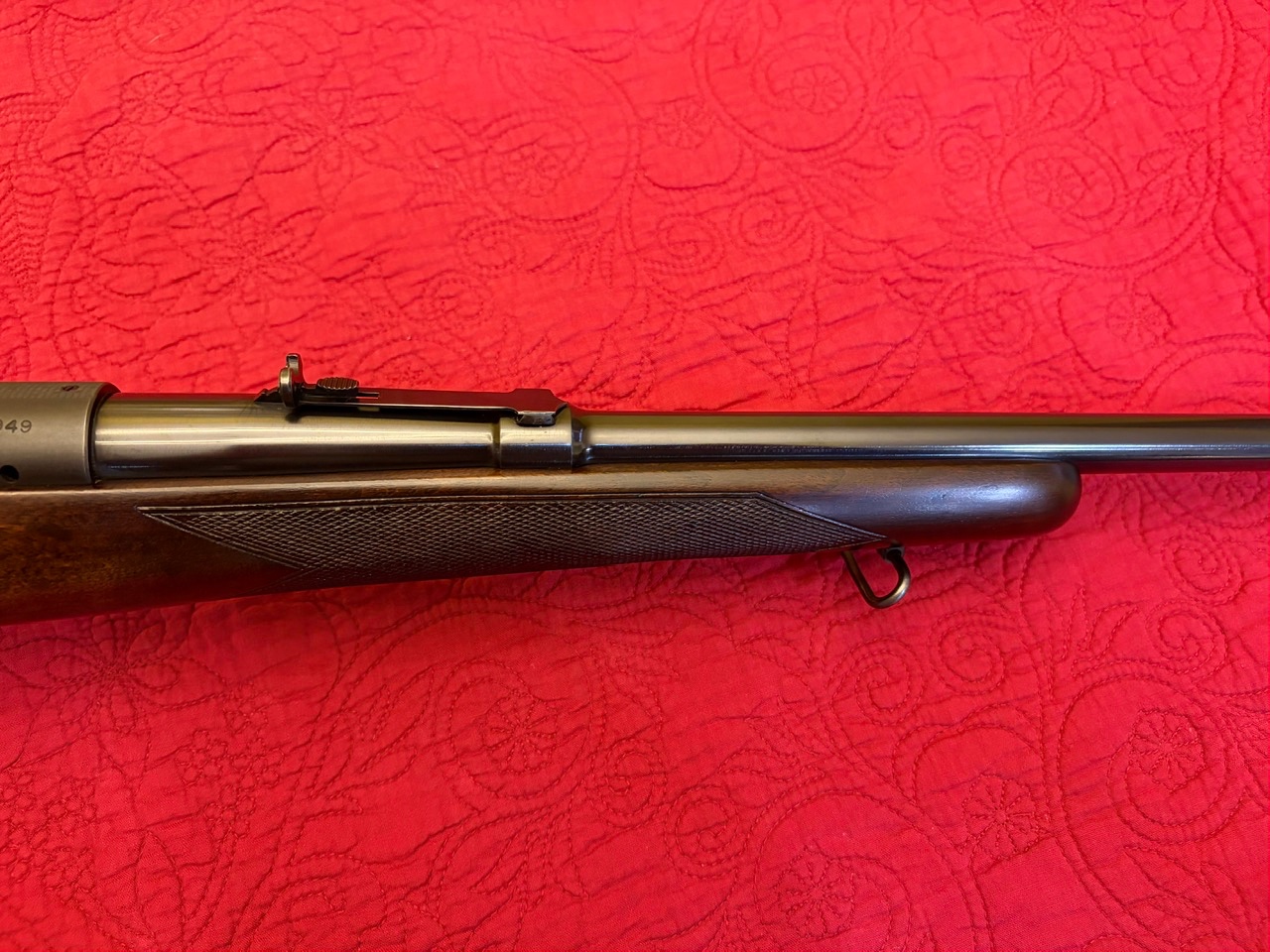
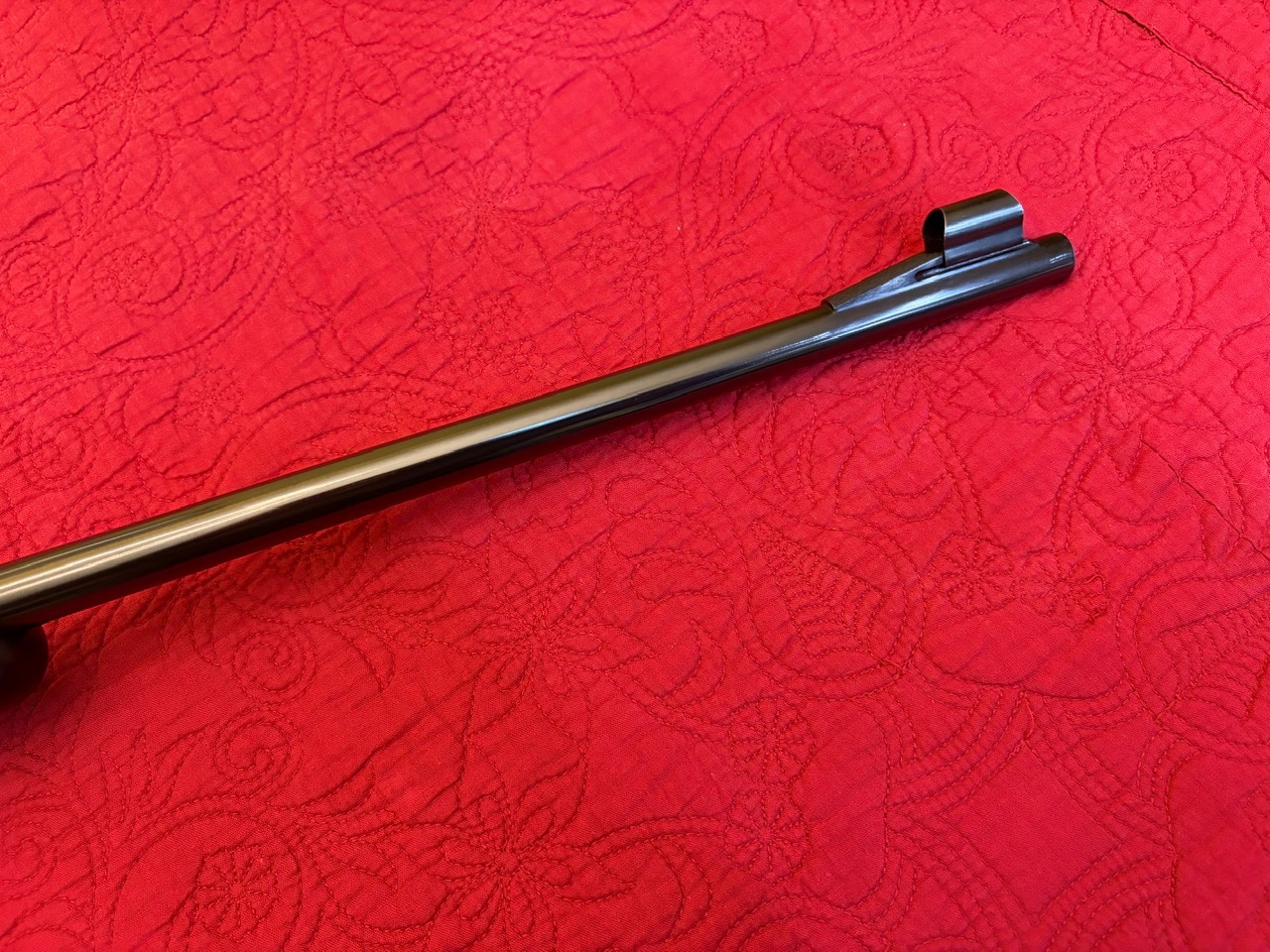
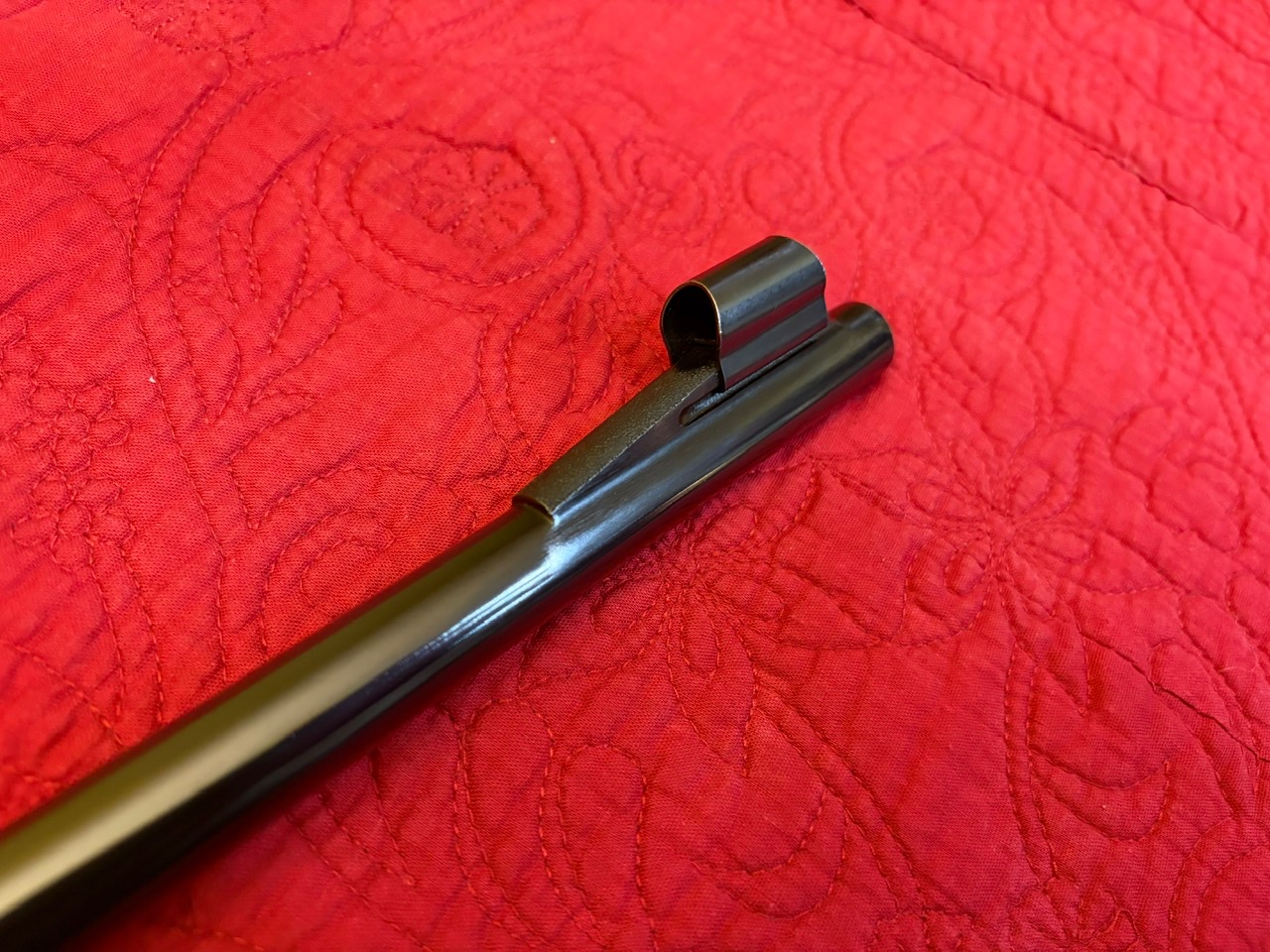
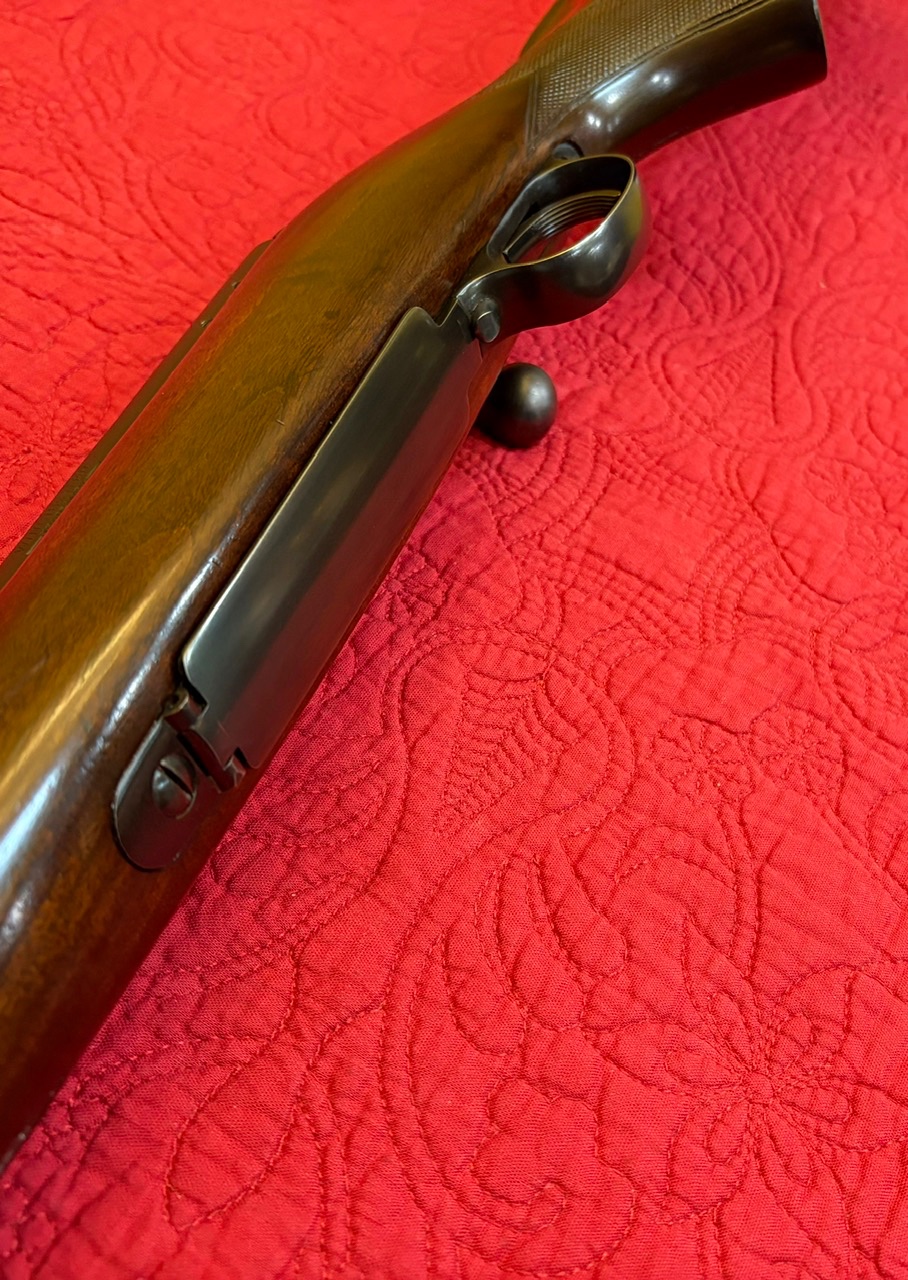
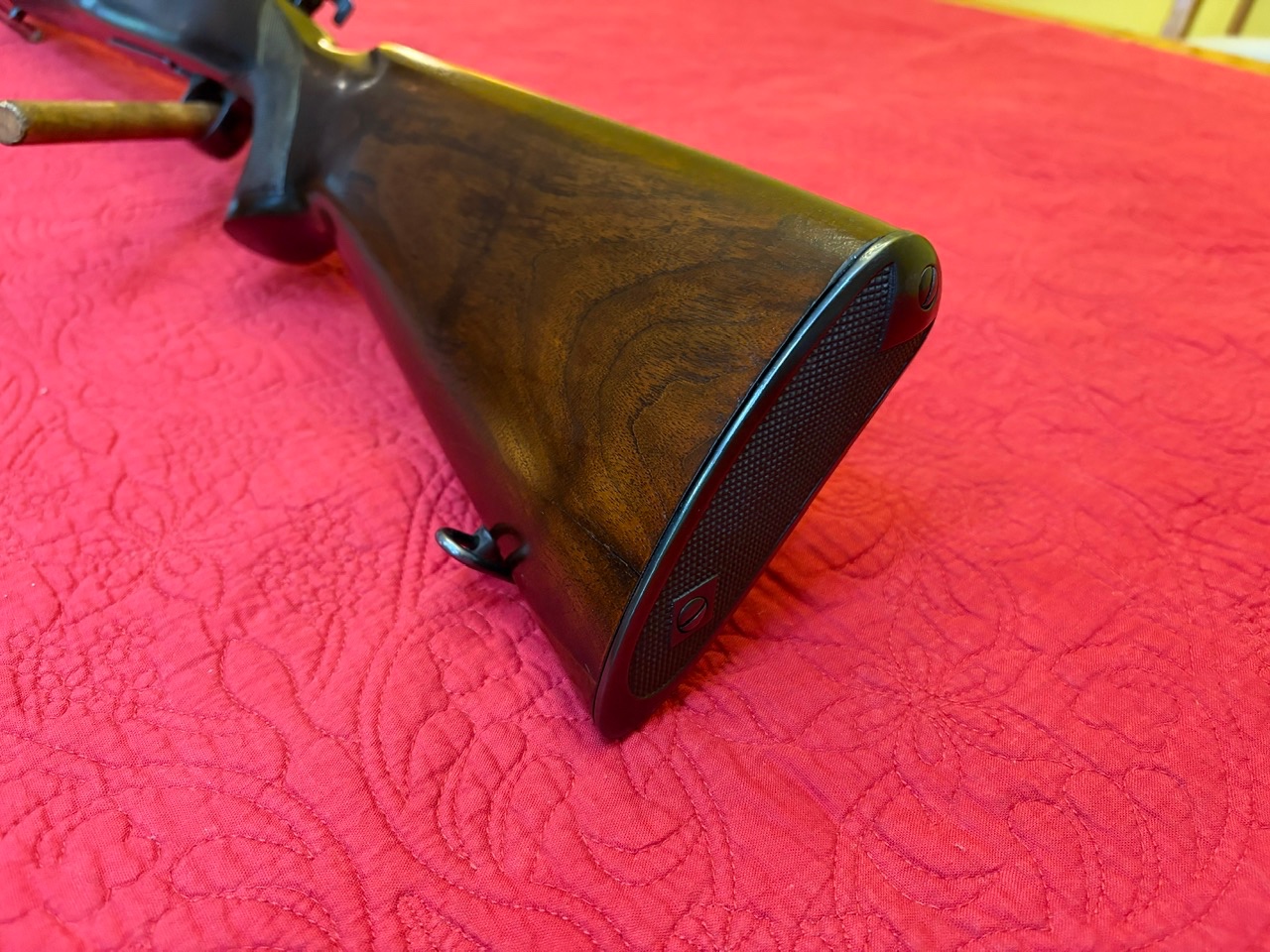
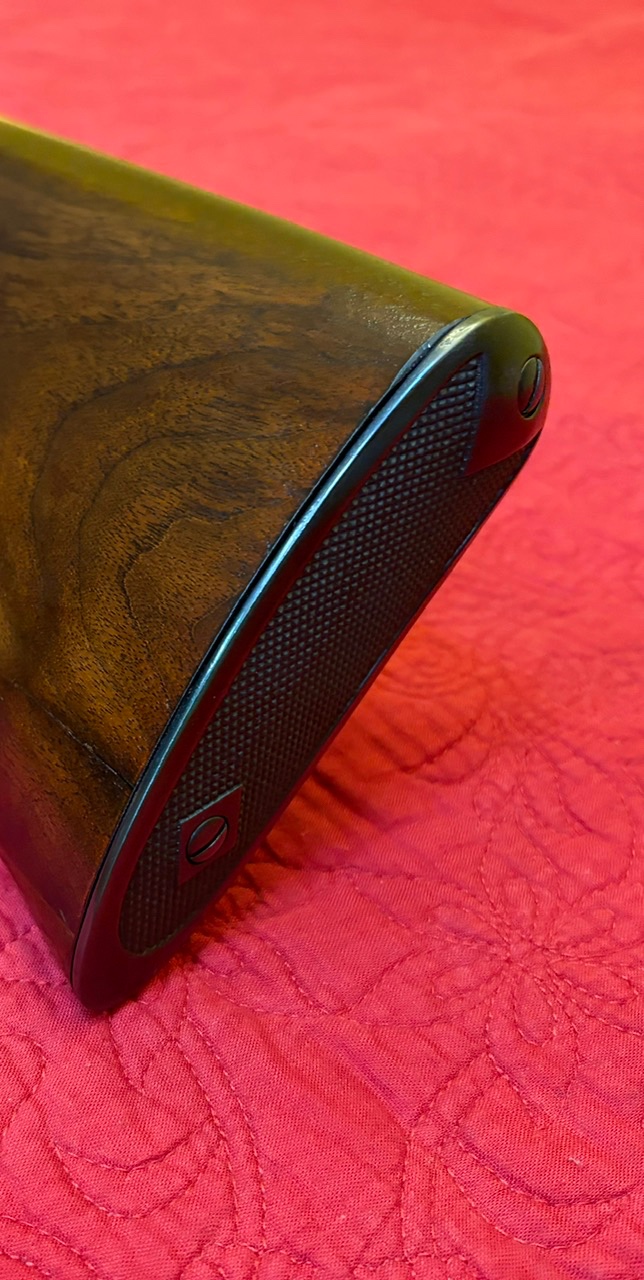
As I mentioned in my previous post, my old collector friend sent me home with a few guns to clean up, and evaluate for purchase. This one I have very limited knowledge nor experience when it comes to evaluating authenticity. I’ll gladly defer to the immeasurable knowledge and years of experience amongst the members here. I will add….. the first thing he said to me when he handed me this rifle was…” you know, they faked a lot of these.” I’m anxious to hear the expert opinions. I can take additional pictures if necessary……Thanks!
February 26, 2021
Offline
February 26, 2021
Offline
February 26, 2021
Offline
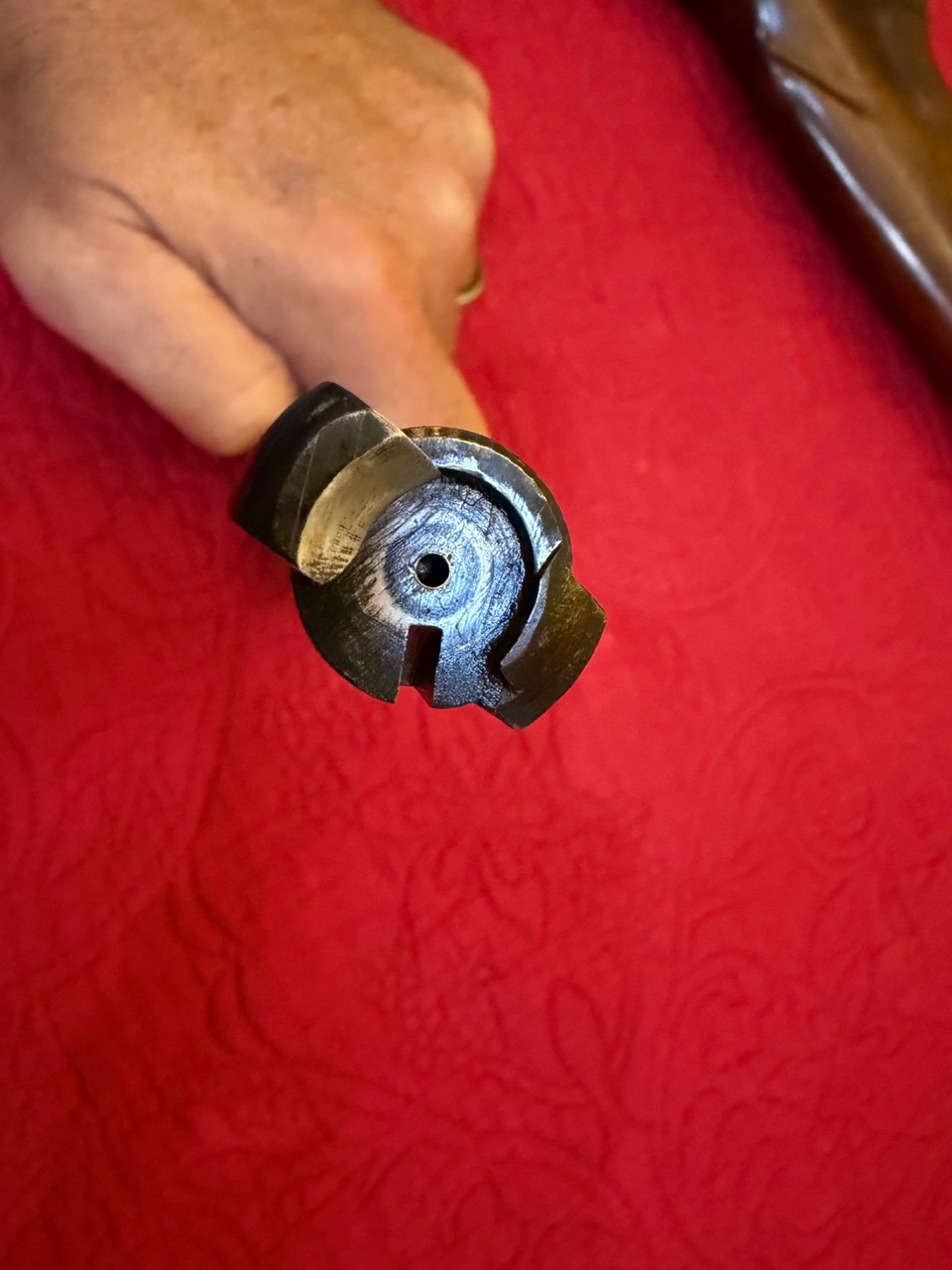
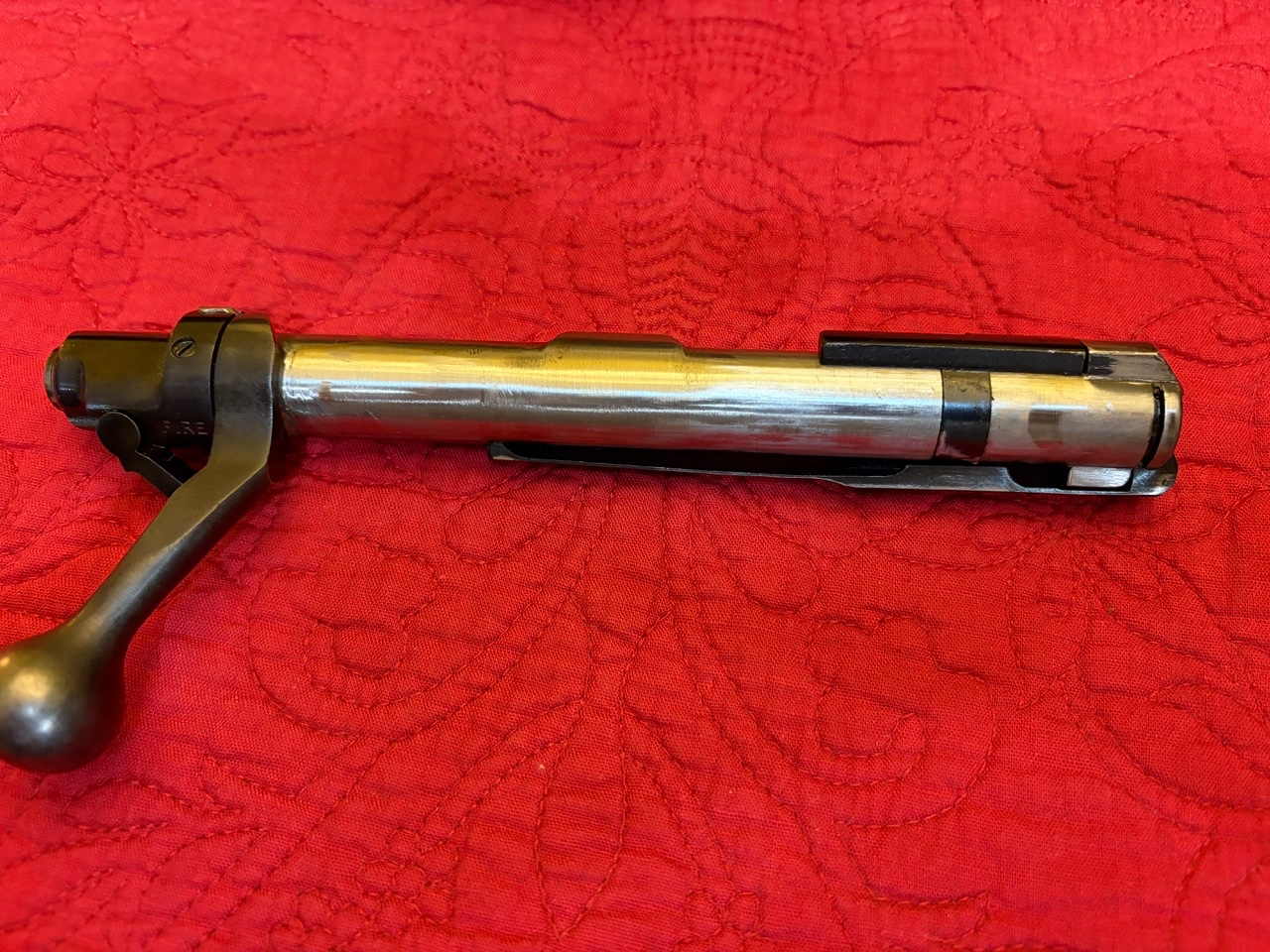
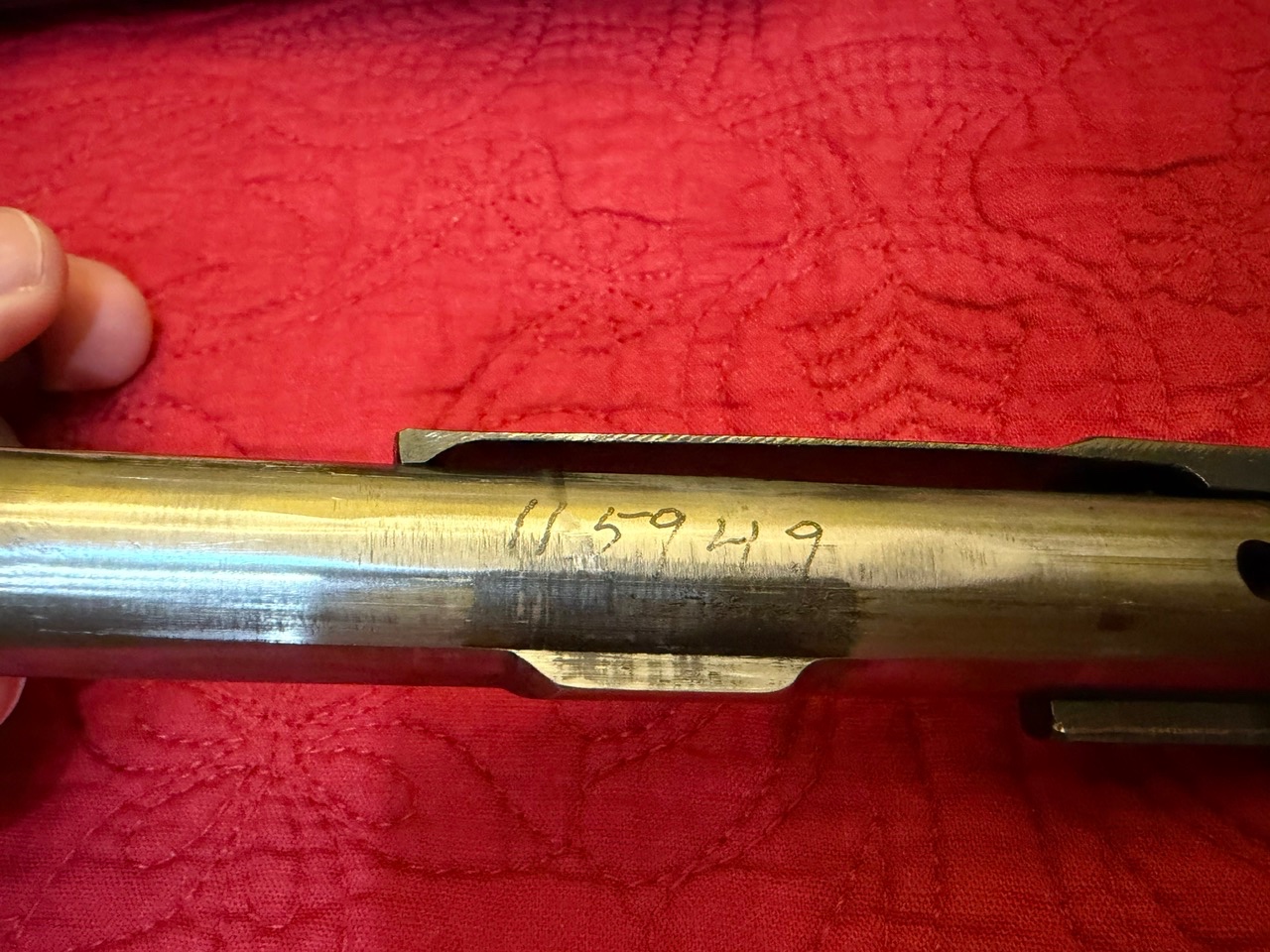
February 26, 2021
Offline
Sorry about the glare in some of the photos. The light here in Northern Michigan is not very good today 🤨

January 8, 2025
Offline
Daaaang.
November 19, 2006
Offline
I don’t know enough about this rifle to provide an expert evaluation. However, I do know enough to know that I would love owning this rifle. I’ve owned many .250-3000 rifles, but never one in a Winchester M70 (and that’s not due to not wanting one).
I was still thinking about that M71 you posted, and now you’ve added this one!
I’m very happy for you (sort of)
July 3, 2020
Offline
Just waiting for Lou’s input… 🙂

November 5, 2014
Offline

Hi George-
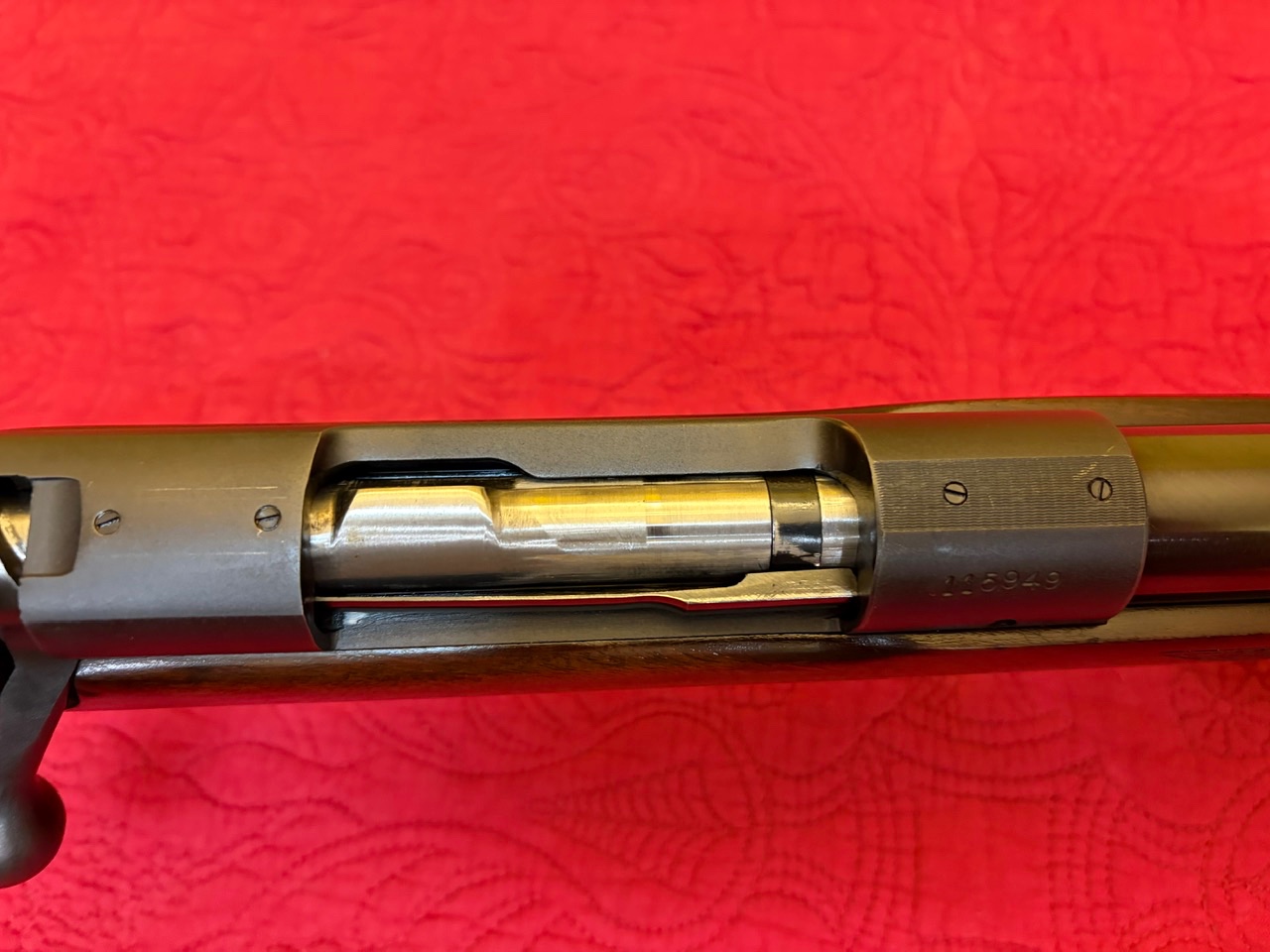
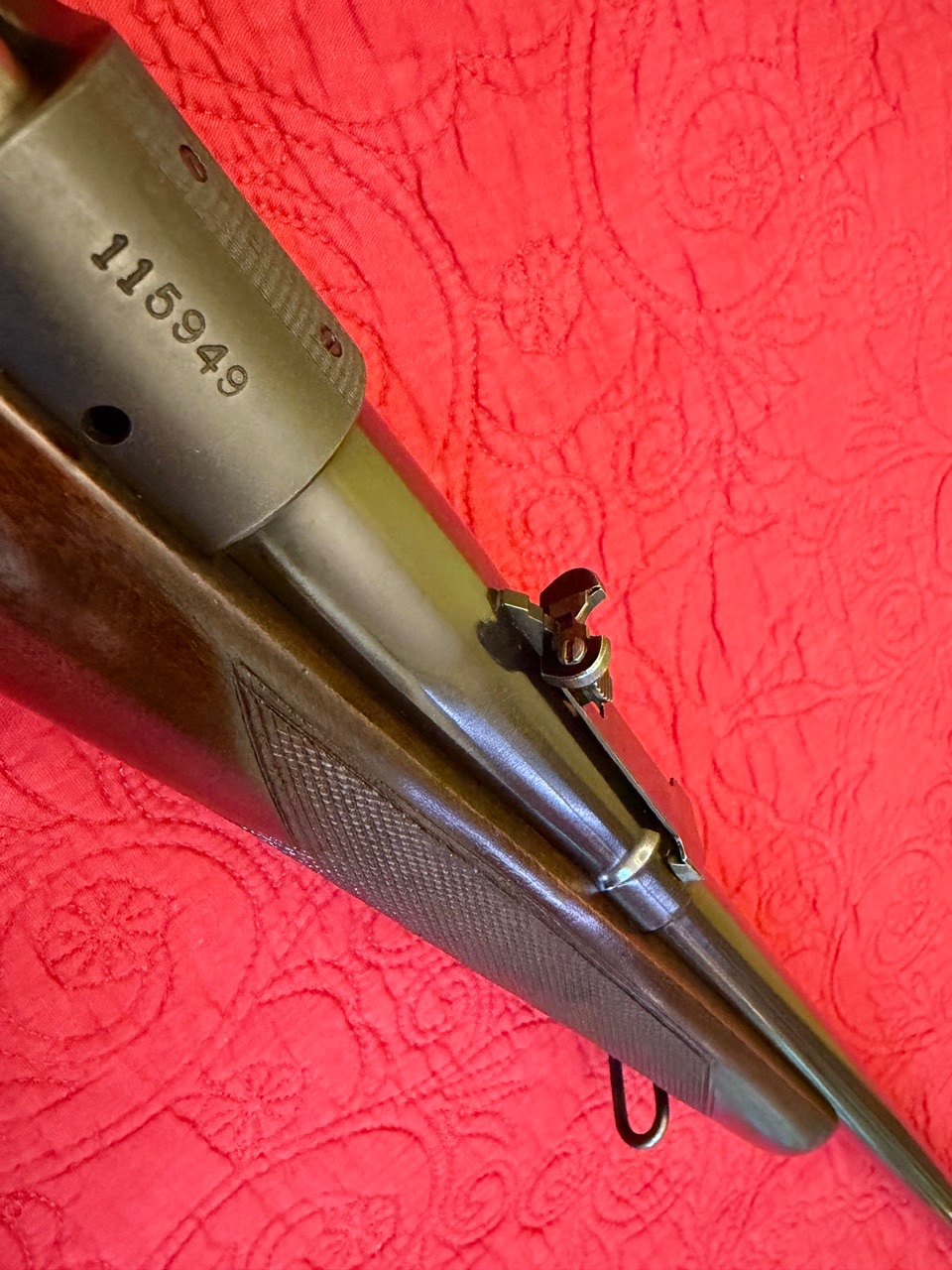
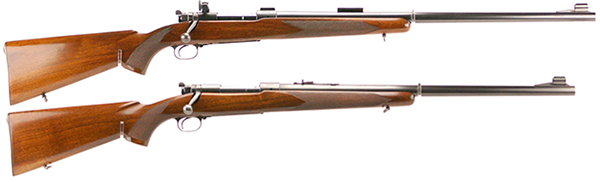
To me it looks like a perfectly legit 1949 M70 Standard Rifle in 250-3000 SAV. Very nice rifle. The caliber was last cataloged in 1949 and it appears Winchester assembled a fair number of them that year. Here is a slice from the M70 survey showing the 1949 serial numbers I have as of last June. Note that there are several in the 114xxx to 116xxx range.

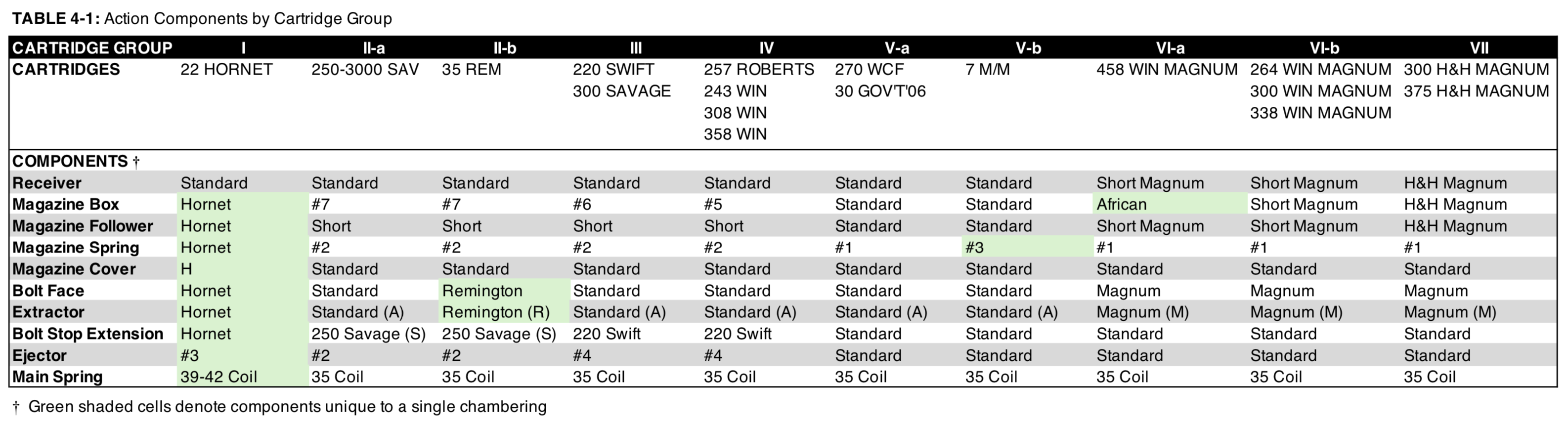
Thank you for the excellent photos. What I can see of the internal parts looks correct. For your reference (if you want to check), I’ll attach a table and some photo guides for identification. First is the action components table. You can see that the parts that define the 250-3000 SAV (shared only with 35 Remington), are the #7 magazine box, “S” stamped extractor collar/bolt stop extension, and #5 (a.k.a. #2) ejector. Forgive the ejector confusion… The Model 70 part was called #5, but the identical M54 part was called #2, and one can find ejectors stamped either #5 or #2 on M70s.
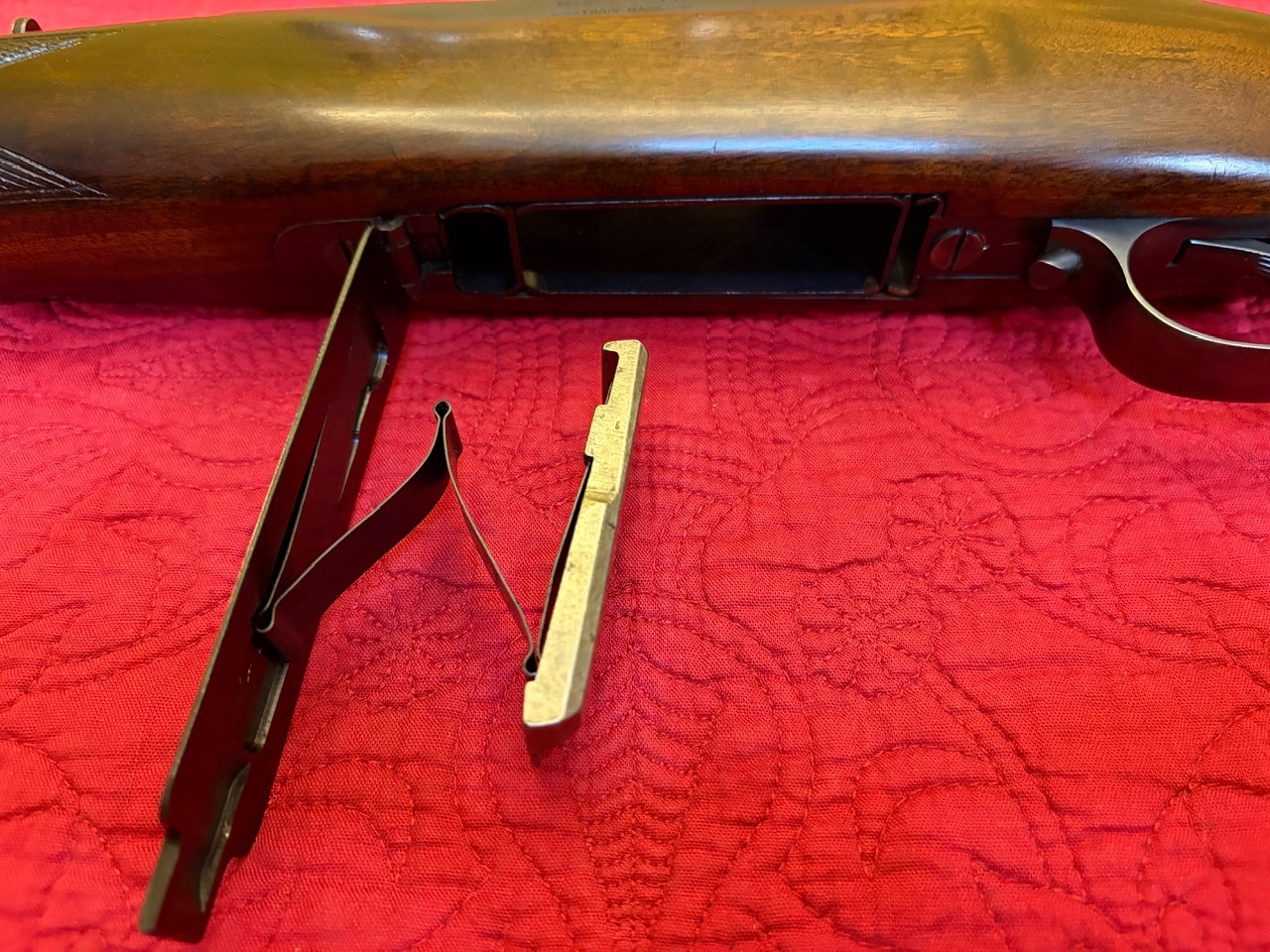
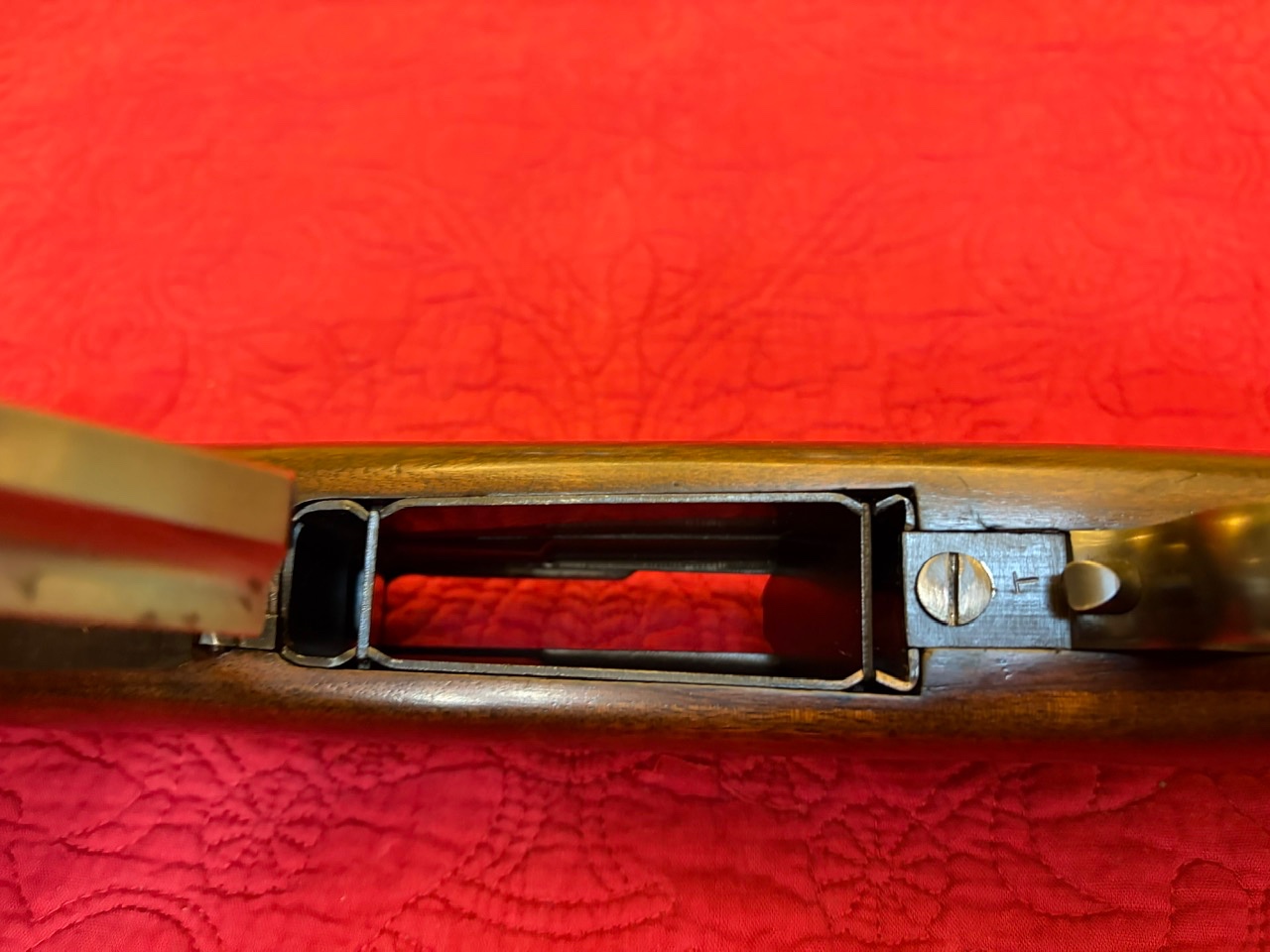
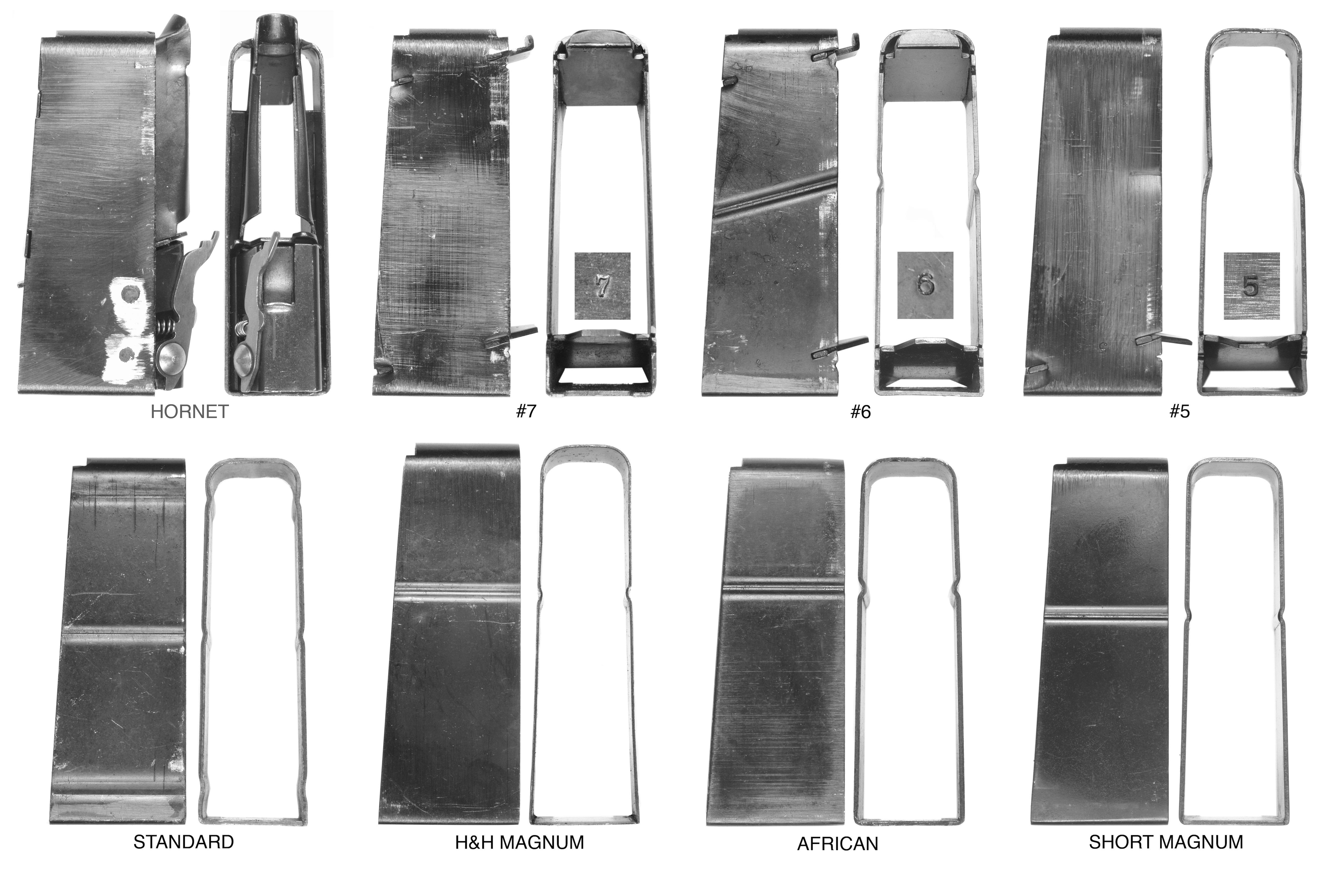
Next are photo composites. Note that the #7 magazine box has two slanted partitions and no “rib”. It appears that your rifle has the #7 magazine. They are usually stamped “7” somewhere on the side of the box, but you don’t have to take the gun apart to tell it’s a #7.
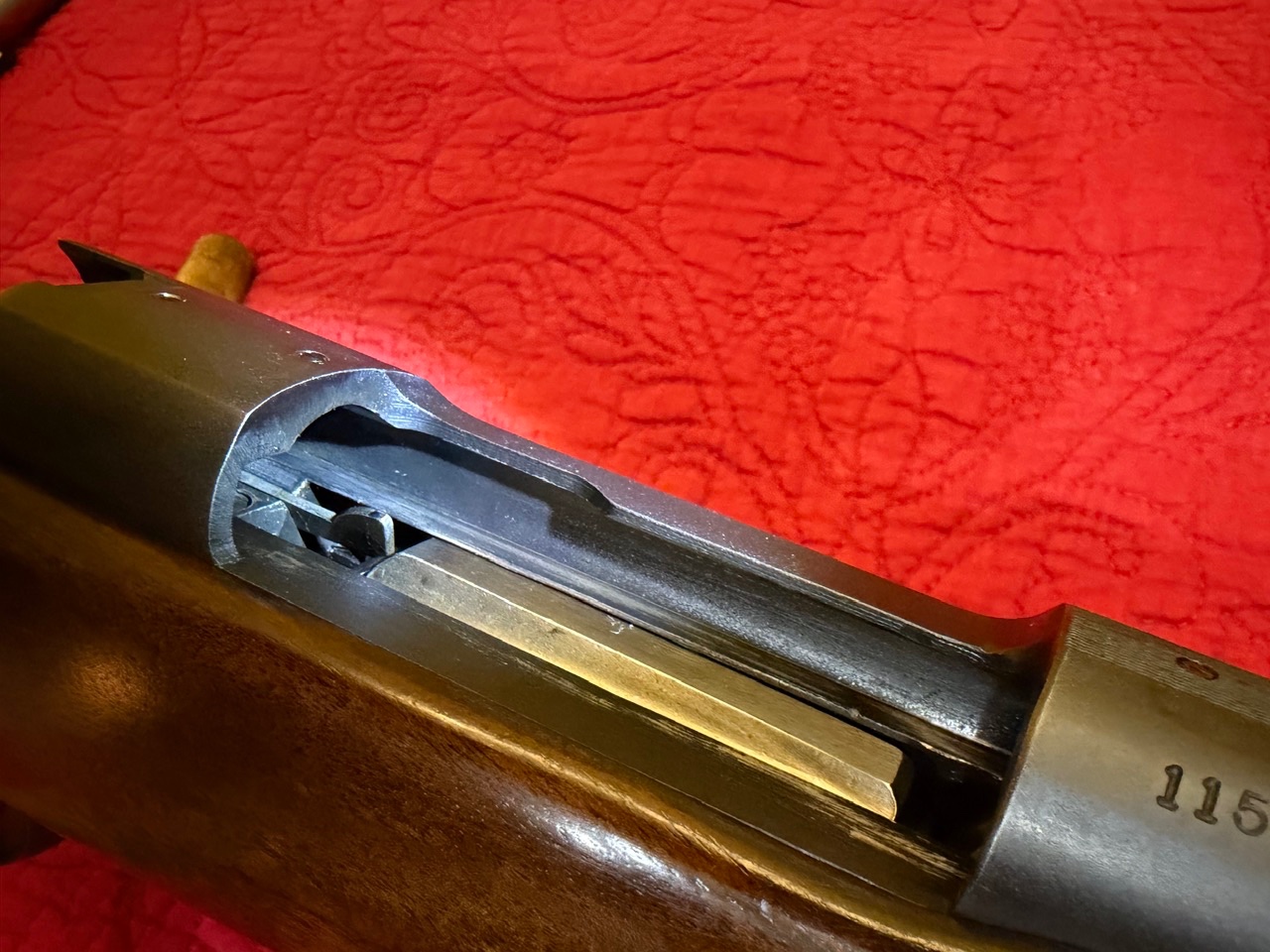
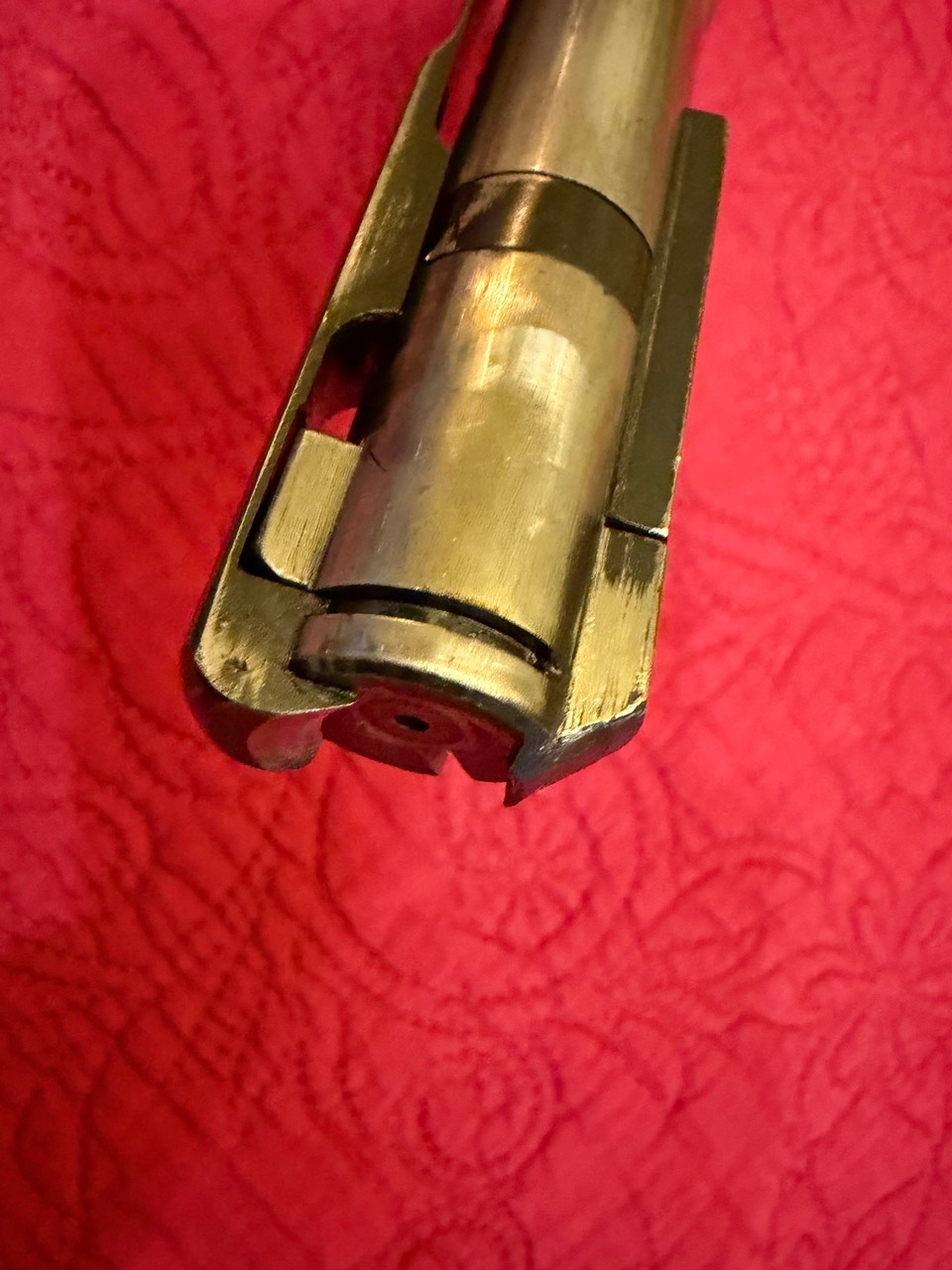
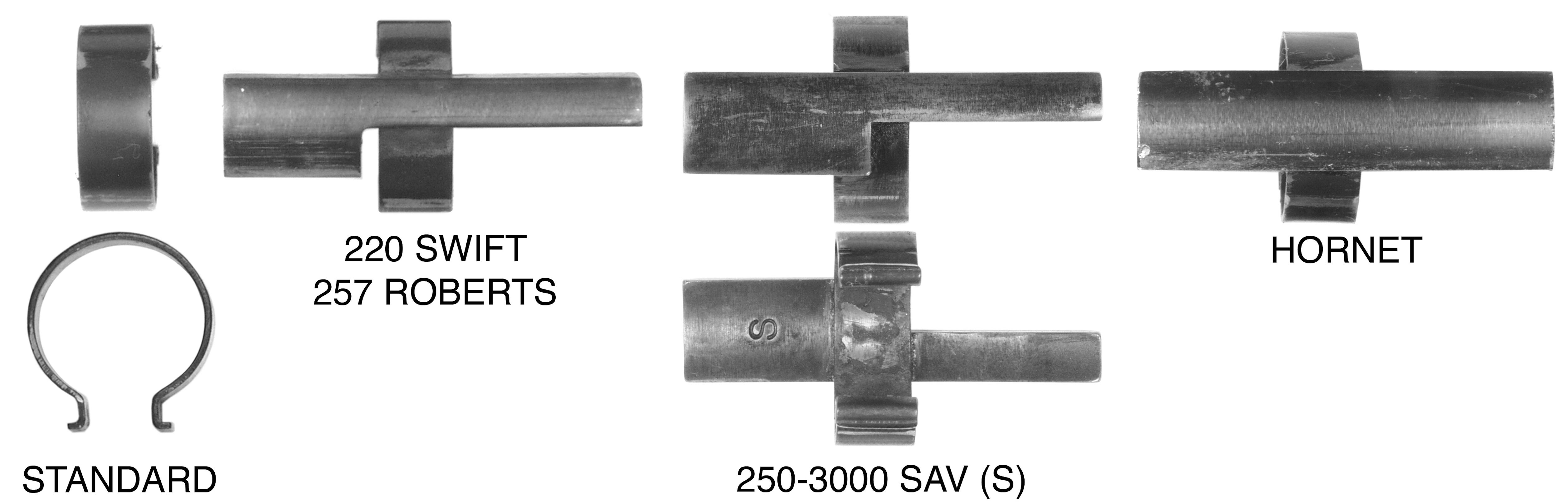
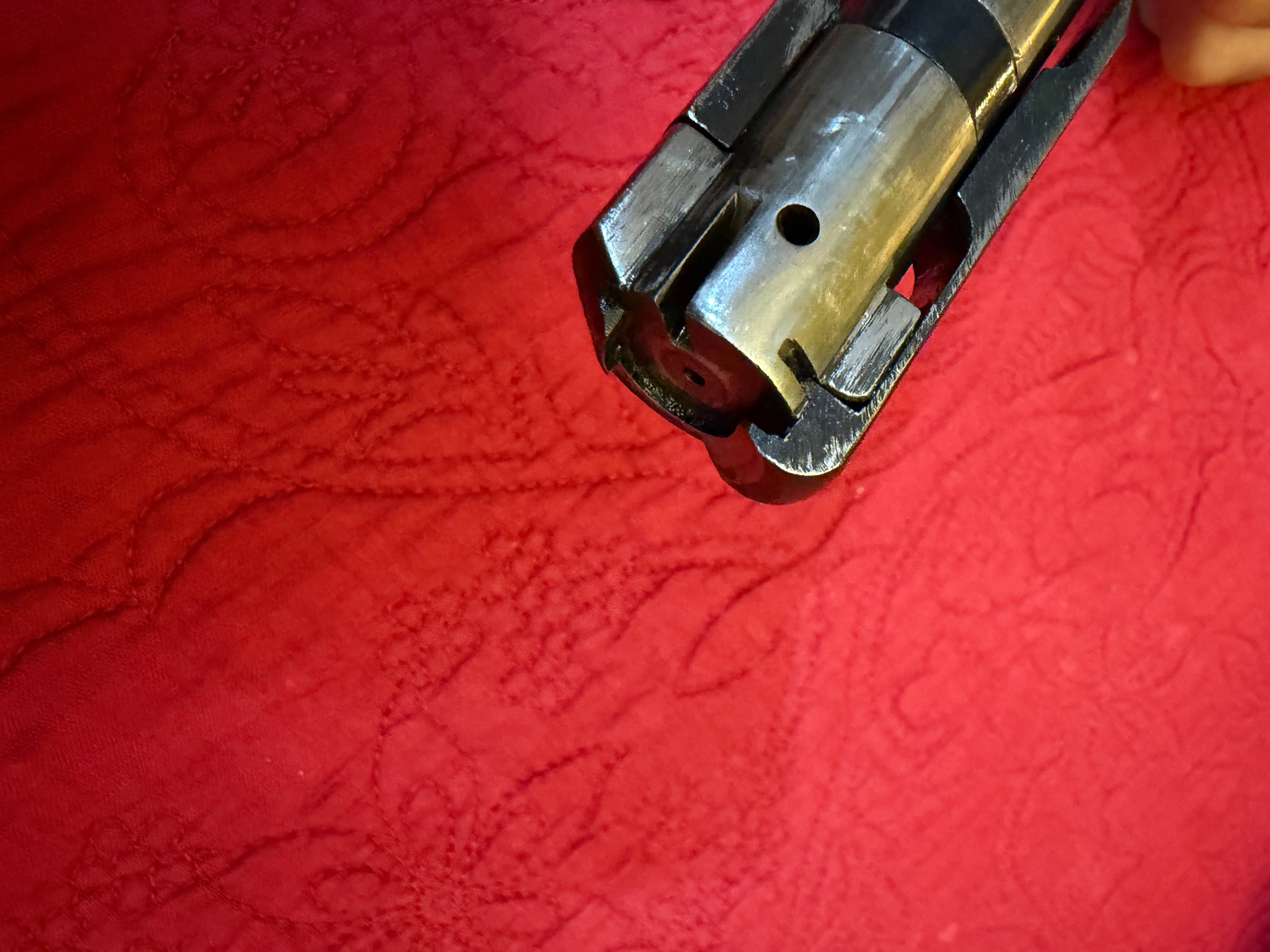
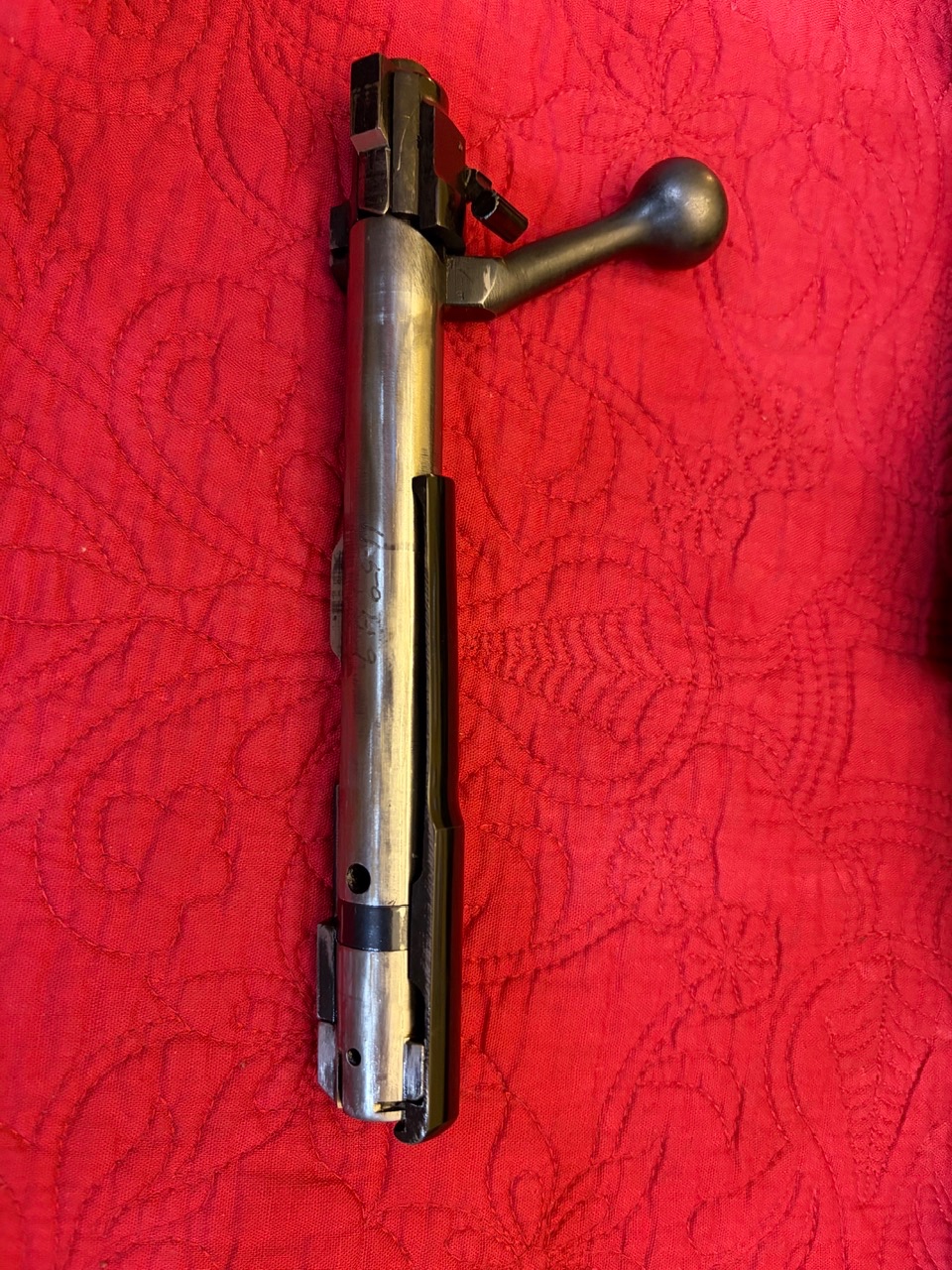
The extractor collar/BSE is next. The “S” collar is usually stamped “S” on the inside, but you do not have to remove the extractor to tell you’ve got the right one. Just look at the length of the BSE relative to the extractor collar. Your bolt photos don’t show the right view, so I can’t tell. Hence, here’s what it “should” look like.
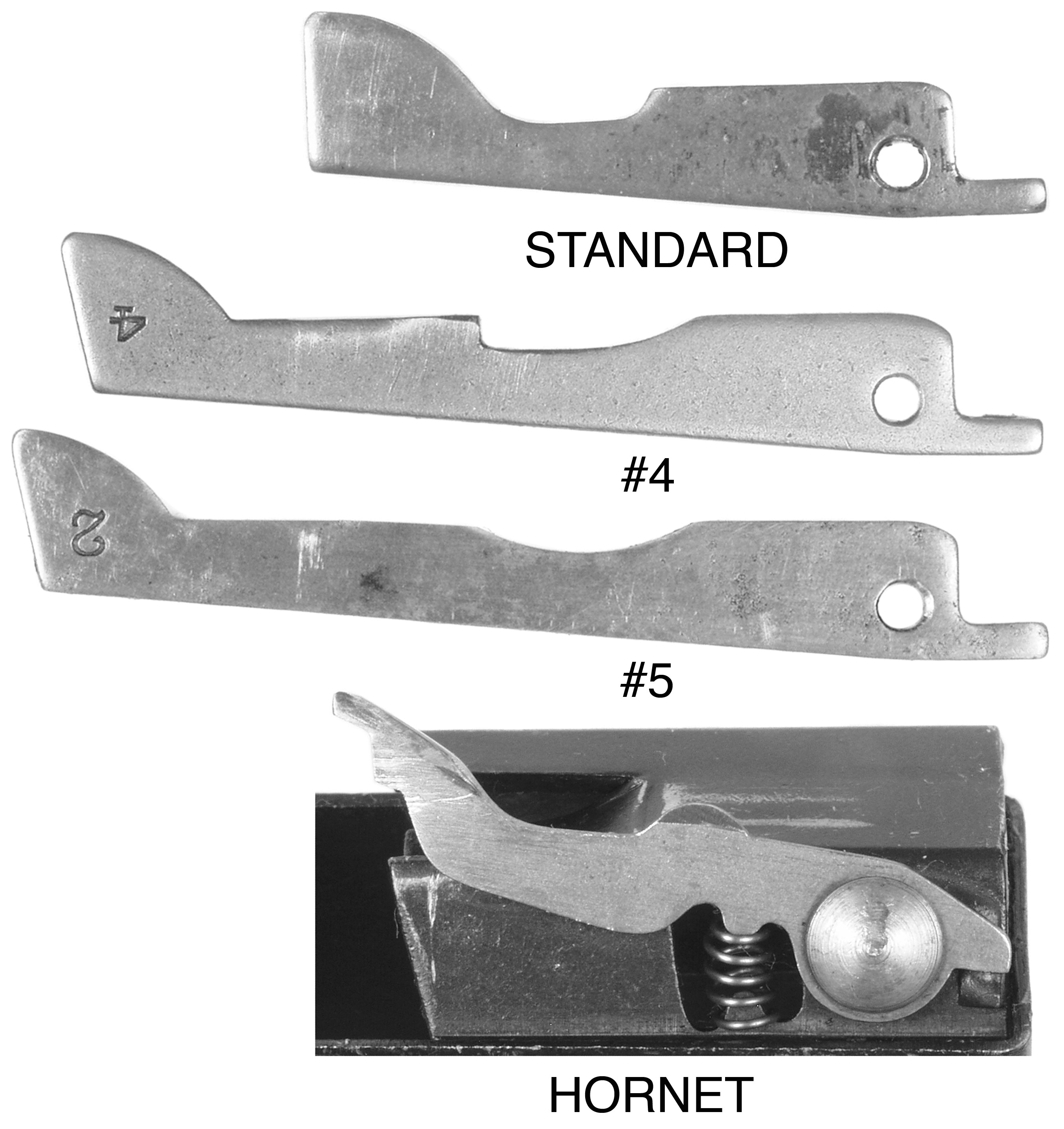
Finally, the Ejectors. The #2/#5 is longer than the others, since the BSE makes the bolt throw shorter. You can only check the number stamp and shape by removing it from the receiver, but you don’t need to. If the BSE is correct and the ejector protrudes far enough through the bolt face (when fully opened) to eject a cartridge, then it’s the right one.
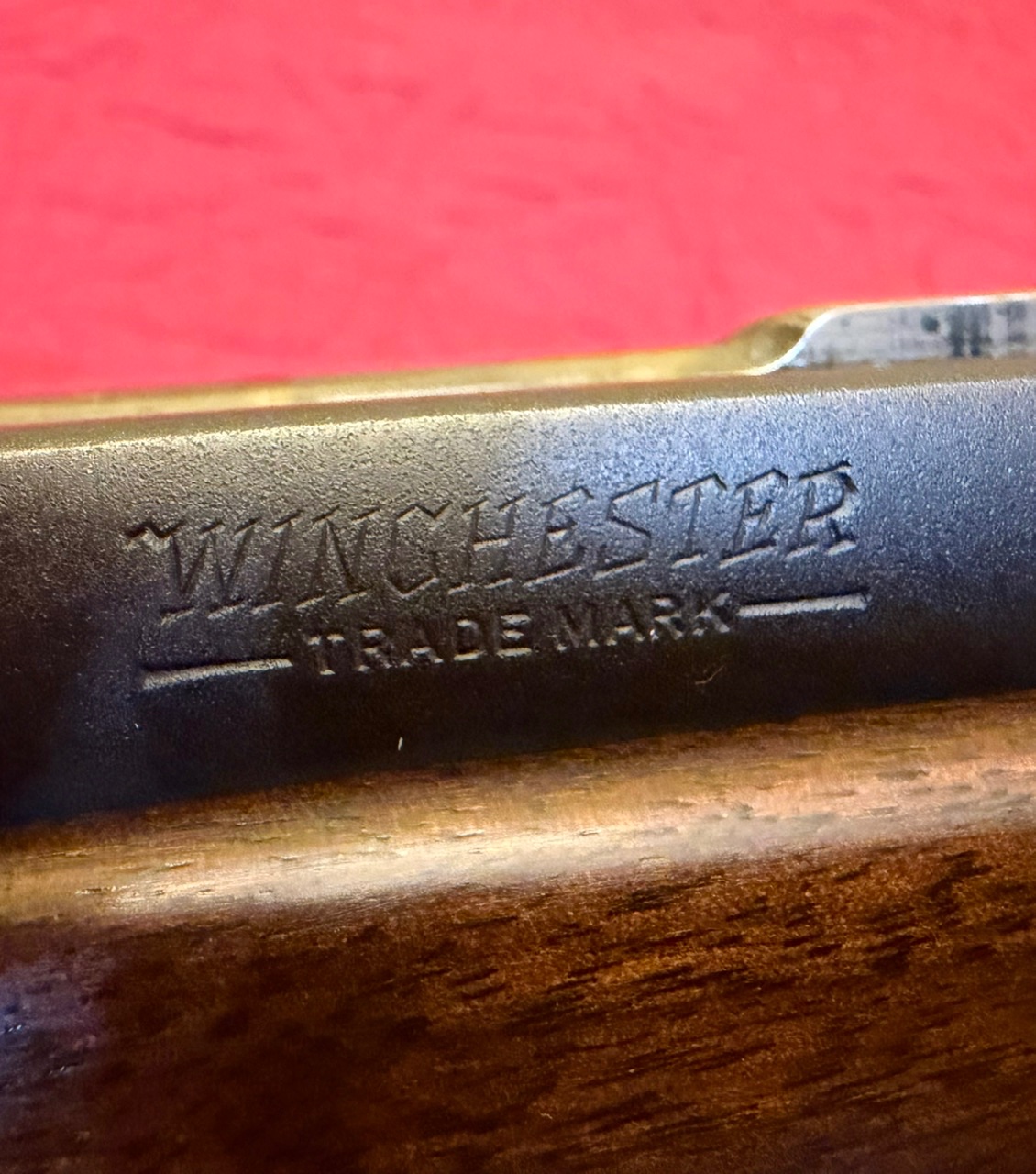
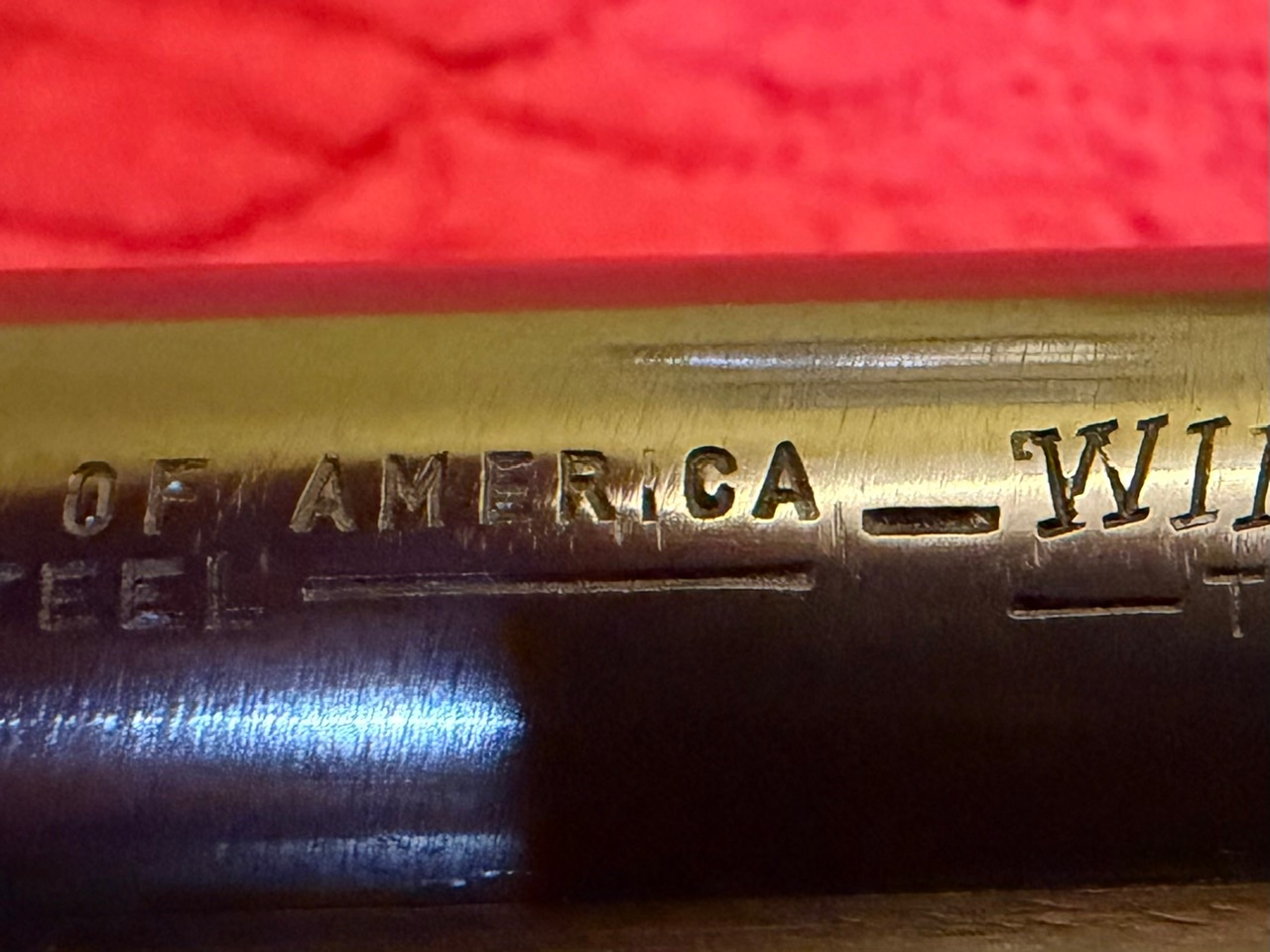
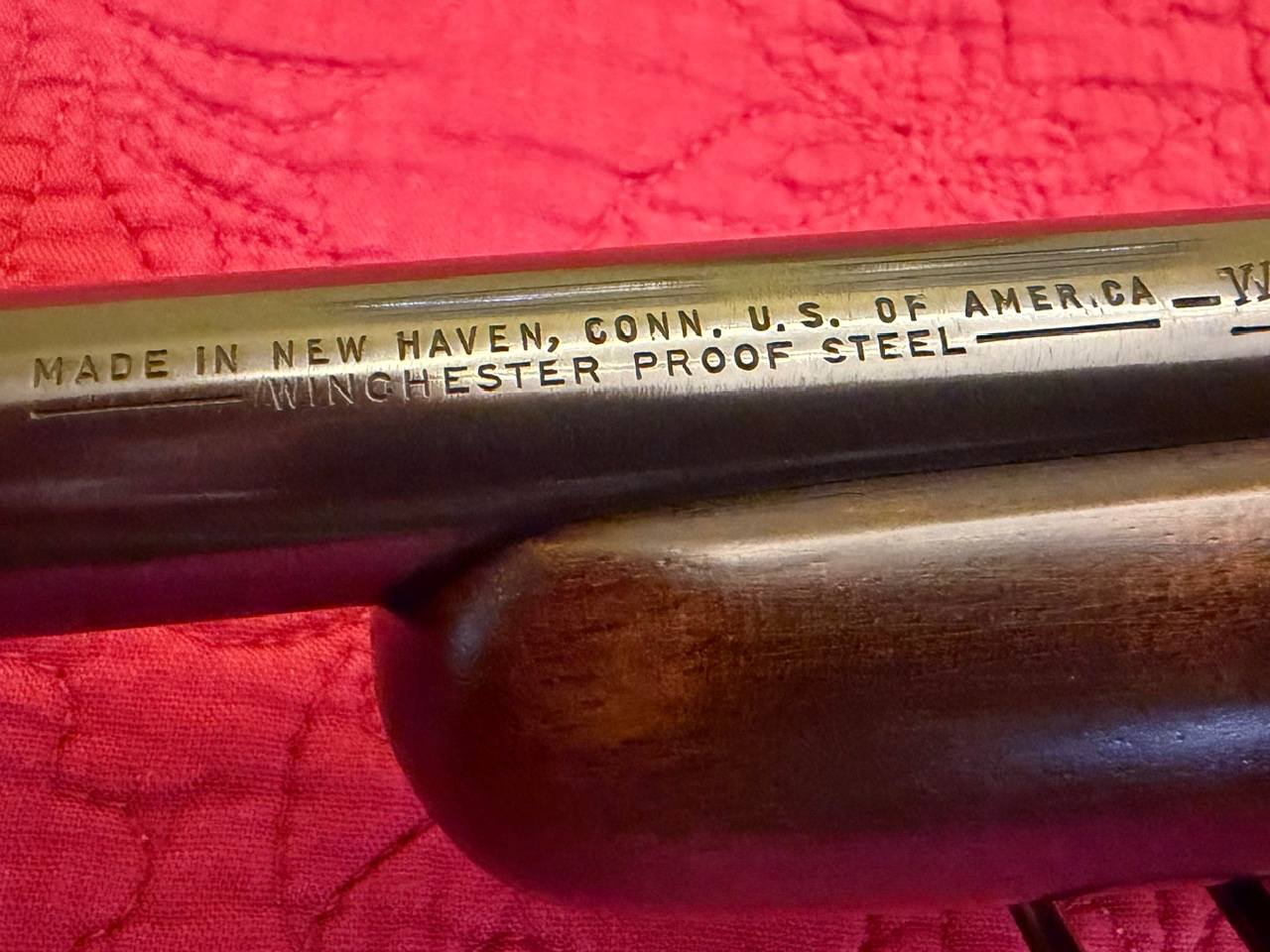
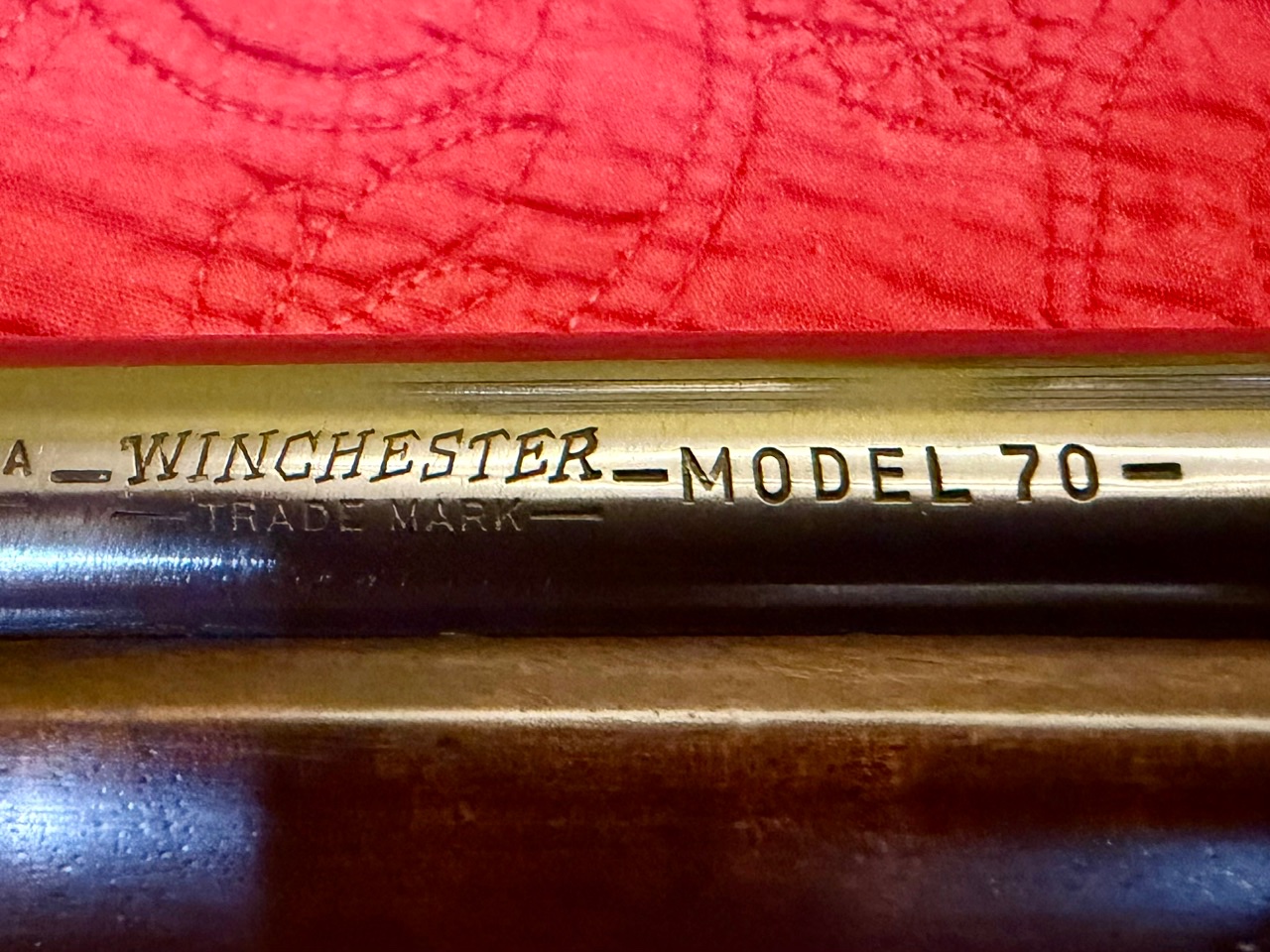
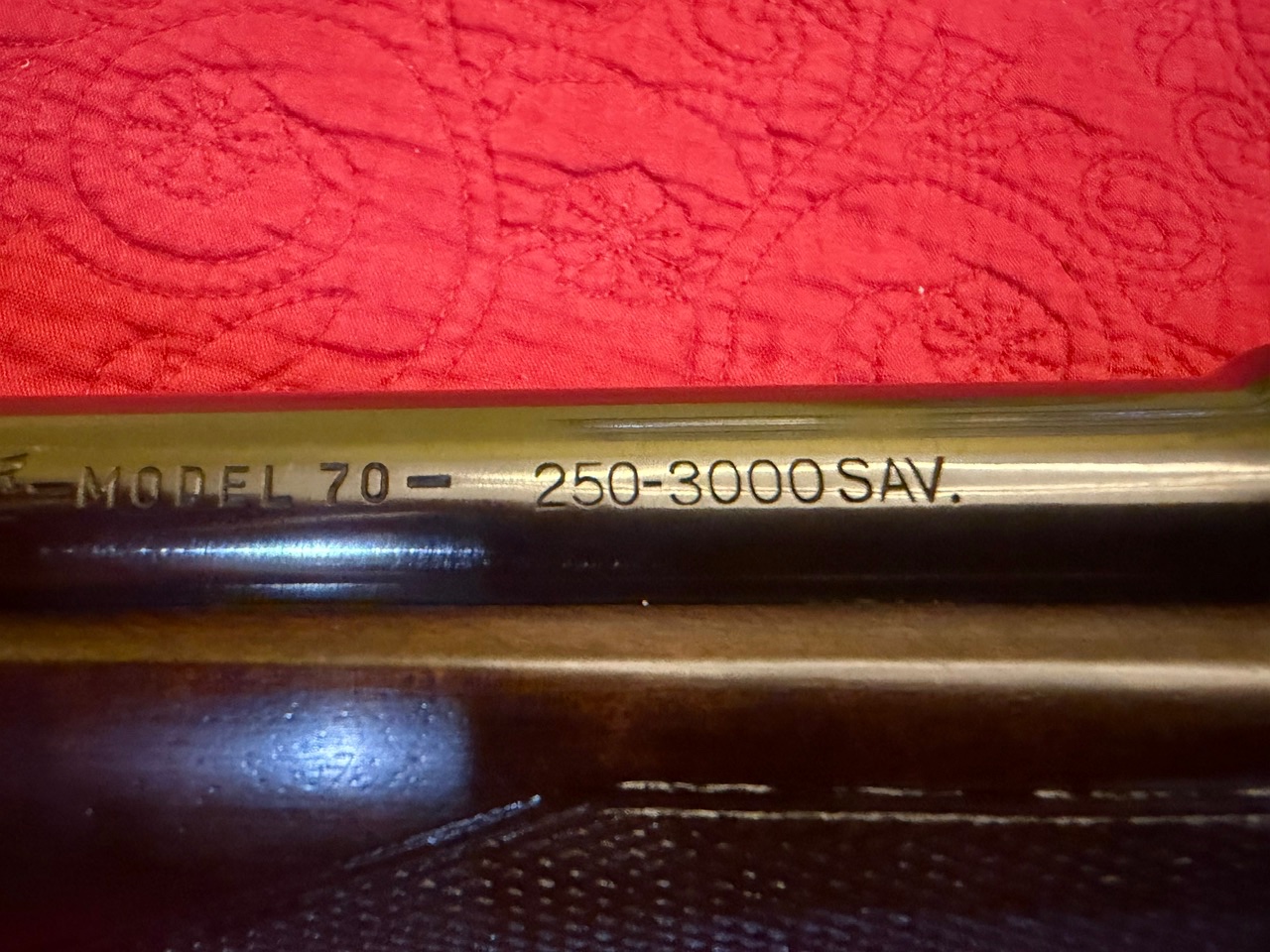
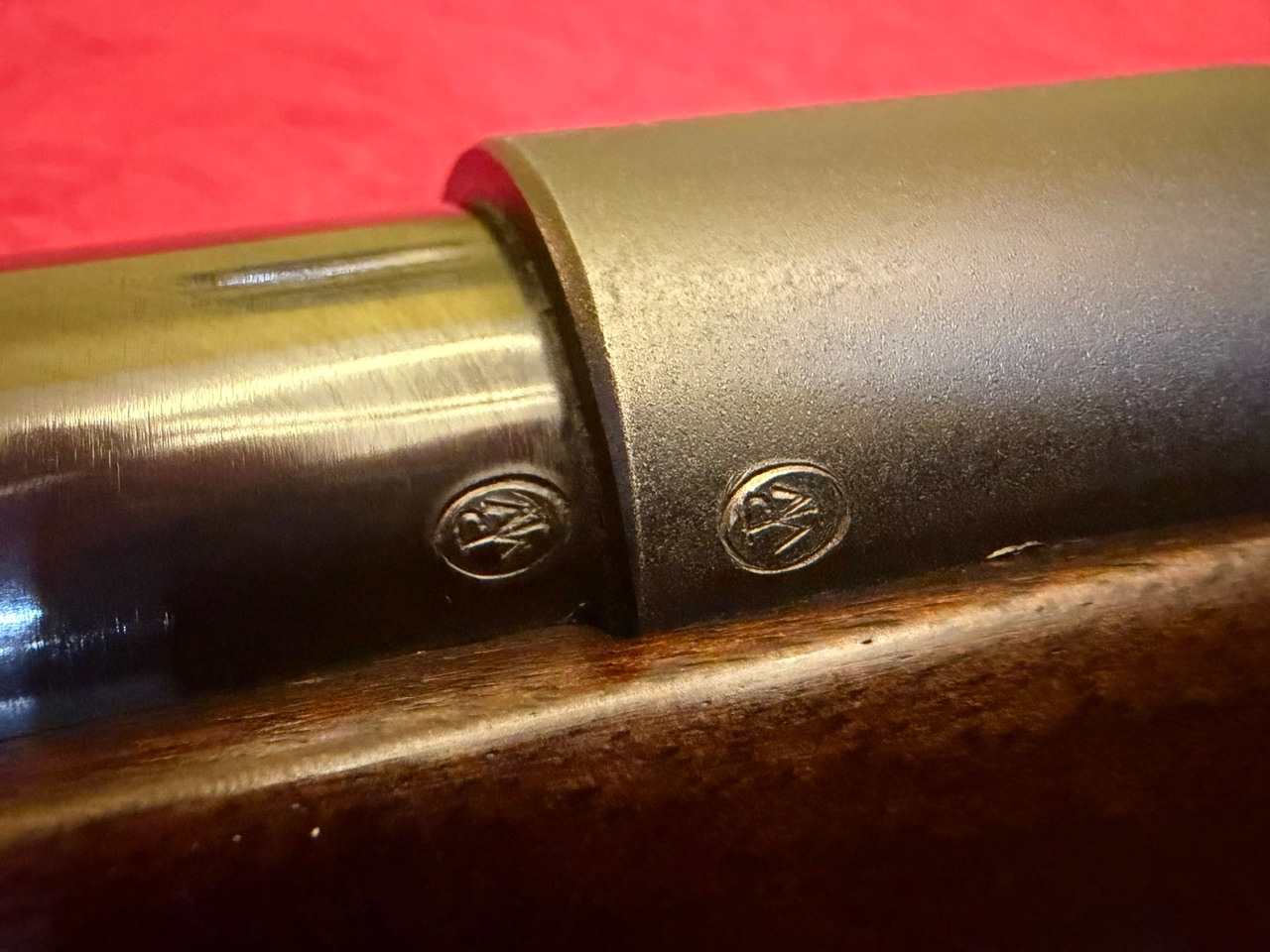
The style 3A barrel marking and caliber stamp on your rifle look correct to me.
I’m looking for one of these, so if you decide to sell it let me know… 
Hope this helps,
Lou
WACA 9519; Studying Pre-64 Model 70 Winchesters
February 26, 2021
Offline
Louis Luttrell said
Hi George-
To me it looks like a perfectly legit 1949 M70 Standard Rifle in 250-3000 SAV. Very nice rifle. The caliber was last cataloged in 1949 and it appears Winchester assembled a fair number of them that year. Here is a slice from the M70 survey showing the 1949 serial numbers I have as of last June. Note that there are several in the 114xxx to 116xxx range.Thank you for the excellent photos. What I can see of the internal parts looks correct. For your reference (if you want to check), I’ll attach a table and some photo guides for identification. First is the action components table. You can see that the parts that define the 250-3000 SAV (shared only with 35 Remington), are the #7 magazine box, “S” stamped extractor collar/bolt stop extension, and #5 (a.k.a. #2) ejector. Forgive the ejector confusion… The Model 70 part was called #5, but the identical M54 part was called #2, and one can find ejectors stamped either #5 or #2 on M70s.
Next are photo composites. Note that the #7 magazine box has two slanted partitions and no “rib”. It appears that your rifle has the #7 magazine. They are usually stamped “7” somewhere on the side of the box, but you don’t have to take the gun apart to tell it’s a #7.
The extractor collar/BSE is next. The “S” collar is usually stamped “S” on the inside, but you do not have to remove the extractor to tell you’ve got the right one. Just look at the length of the BSE relative to the extractor collar. Your bolt photos don’t show the right view, so I can’t tell. Hence, here’s what it “should” look like.
Finally, the Ejectors. The #2/#5 is longer than the others, since the BSE makes the bolt throw shorter. You can only check the number stamp and shape by removing it from the receiver, but you don’t need to. If the BSE is correct and the ejector protrudes far enough through the bolt face (when fully opened) to eject a cartridge, then it’s the right one.
The style 3A barrel marking and caliber stamp on your rifle look correct to me.
I’m looking for one of these, so if you decide to sell it let me know…
Hope this helps,
Lou
Wow! Thanks Lou!!!
Do either of these bolt angles help?
November 19, 2006
Offline
Here’s one just a few numbers away from yours:
Lou – any thoughts on the WINCHESTER barrel stamping? Particularly the, “W”?
November 5, 2014
Offline
George-
Yes… I think that the second photo shows that the BSE is the right length. Not the optimal angle, but good enough.
Steve-
Do you mean this “W” photo?
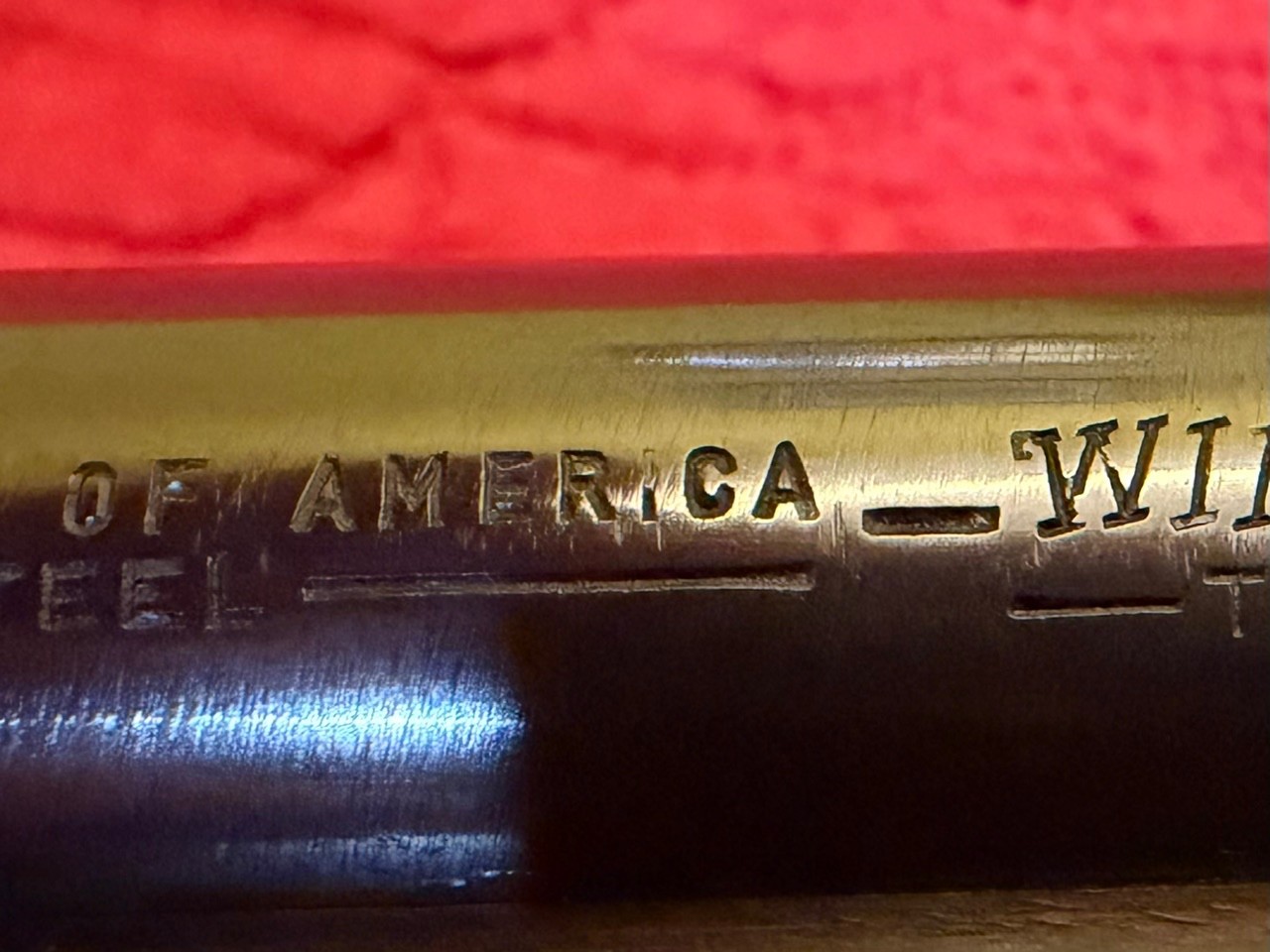
What don’t you like? It looks typically “messy” to me. Roll dies chipped and weren’t replaced until they got pretty rough. The barrels were polished twice after the roll mark was applied (to remove the “cratering” cause by the die application), which may (???) on occasion cause some extruded metal to be pushed back into the stamp…
Anyway… I doesn’t “bother” me. I’ve spent too much time staring at highly magnified M70 barrel markings. It’s a sure pathway to madness!!! The “250-3000 SAV.” caliber stamp also looks OK to me. The heavier right side of the “V” stamp is typical. At least I “think so”!!!
Lou
WACA 9519; Studying Pre-64 Model 70 Winchesters

April 30, 2023
Offline
…and a SLAM DUNK for Lou! Wow on that info!
I should really stop being surprised by anyone at this point…
February 26, 2021
Offline
Lou,
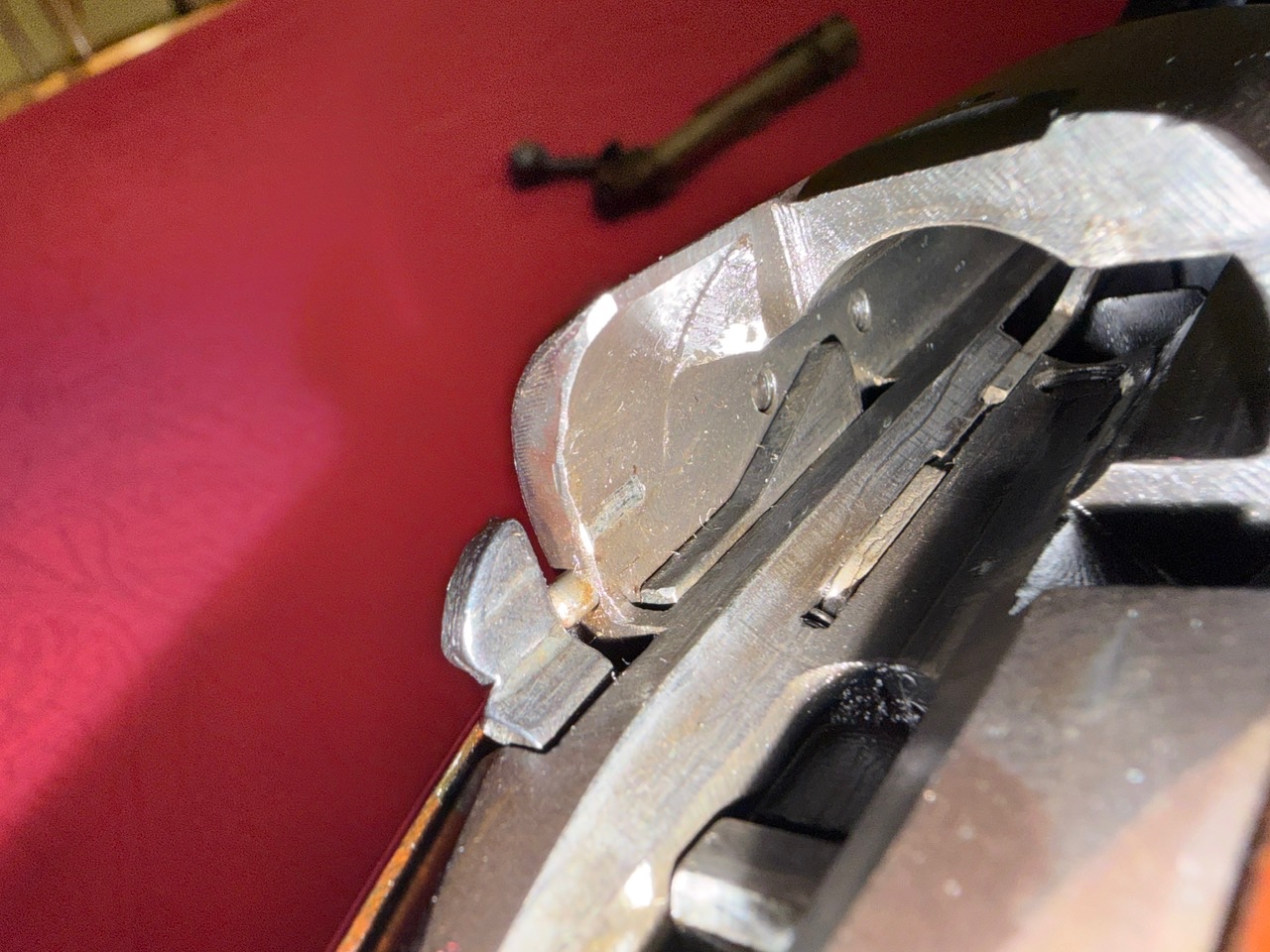
I have a question. The spring on the floor plate release button is VERY stout and must be fully compressed to clear the edge of the floor plate to allow it to open. Very little clearance between the two parts which makes it difficult to open. Is this typical? I put a little Kroil on the moving parts, but still difficult. Is there a way to adjust?
Thanks!
November 5, 2014
Offline
Hi Jeremy-
In all honesty, I’m just LAZY!!!
It’s easier for me to post composites I’ve already made (hence TOO MUCH information), than it is to dig out the relevant single part photos (elements used to make the composites).
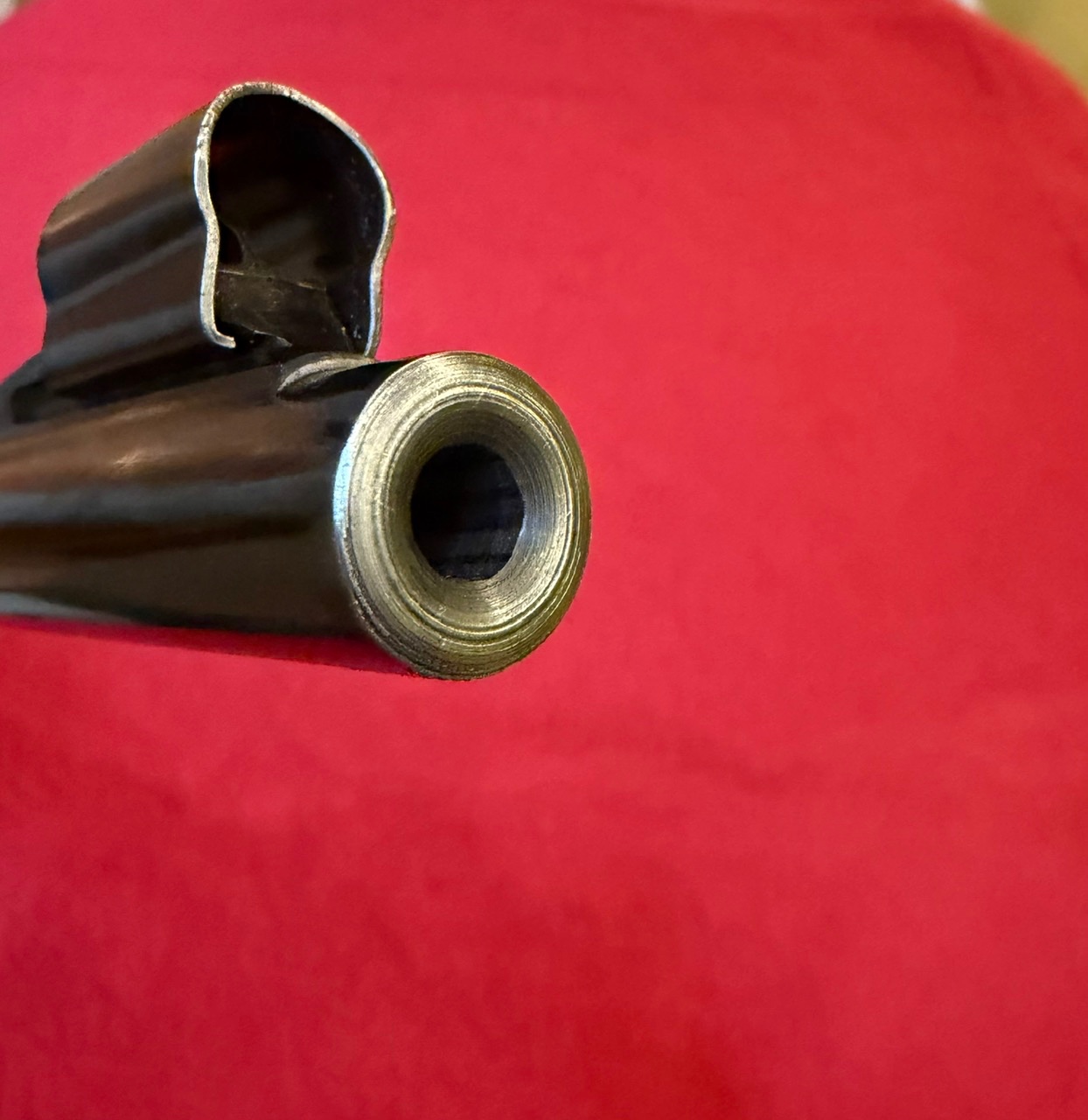
BTW… My only “quibble” with the rifle is that the sheet metal slide in the 22G rear sight has been altered (sight notch cut into a deeper “V”) and the stop screw replaced. The sort of thing you might do when sighting in a gun with your desired combination of ammunition and distance. EASY “fix” if you only want “factory original”…
Best,
Lou
WACA 9519; Studying Pre-64 Model 70 Winchesters
December 9, 2002
Offline
Jeremy P said
…and a SLAM DUNK for Lou! Wow on that info!
I should really stop being surprised by anyone at this point…
I agree Jeremy, as Lou sure has educated the masses, as I’m included in those masses.
steve004 Said,
Lou – any thoughts on the WINCHESTER barrel stamping? Particularly the, “W”?
I had the same thought also when I first saw it. Then once examining closer pictures and views, plus the fact on Lou’s educational tutorial, I can understand his expert opinion.
Today we hear and see so many things that have been messed with, and especially in this model that can command a premium. IMO! I feel it’s easy to be a little skeptical.
Again Thanks for sharing.
Tony

August 27, 2014
Offline
Good Stuff
“If you can’t convince them, confuse them”
President Harry S. Truman
November 19, 2006
Offline
Louis Luttrell said
George-
Yes… I think that the second photo shows that the BSE is the right length. Not the optimal angle, but good enough.
Steve-
Do you mean this “W” photo?What don’t you like? It looks typically “messy” to me. Roll dies chipped and weren’t replaced until they got pretty rough. The barrels were polished twice after the roll mark was applied (to remove the “cratering” cause by the die application), which may (???) on occasion cause some extruded metal to be pushed back into the stamp…
Anyway… I doesn’t “bother” me. I’ve spent too much time staring at highly magnified M70 barrel markings. It’s a sure pathway to madness!!! The “250-3000 SAV.” caliber stamp also looks OK to me. The heavier right side of the “V” stamp is typical. At least I “think so”!!!
Lou
Lou – thank you for the explanation – that clears it up for me.
February 26, 2021
Offline
Louis Luttrell said
BTW… My only “quibble” with the rifle is that the sheet metal slide in the 22G rear sight has been altered (sight notch cut into a deeper “V”) and the stop screw replaced. The sort of thing you might do when sighting in a gun with your desired combination of ammunition and distance. EASY “fix” if you only want “factory original”…
Best,
Lou
I bet Ben has the correct parts. If I can find them, I’ll make it right.
November 5, 2014
Offline
George-
As long as the floor plate latch (button in the trigger guard) snaps fully outward over the notch in the floor plate then everything is as it should be (no evidence the floor plate is a replacement). The fit is sometimes relatively precise.
A common issue that the assemblers faced was that the depth of stock inletting varies slightly, such that when the action screws were tightened the floor plate wouldn’t latch. There were a couple of “fixes”… One was special a sheet metal shim put under the latch plate (used when the latch plate inletting was a little too deep to let the plate close). The other was to adjust the depth of the notch in the floor plate. This notch was cut with a 1/4” diameter round file, so it could be made deeper if needed to let the latch fully snap into place.
As for the spring being stiff… It’s a pretty stiff little spring, I have the dimensions around here somewhere… And it might be gunked up… If you remove the trigger guard assembly you can drift out the pin that retains the spring and latch. The pin is not tapered or usually very tight, it’s held in place by the stock wood (can’t drift side-to-side). So you can easily knock it out and clean everything. That might (???) help…
Best,
Lou
WACA 9519; Studying Pre-64 Model 70 Winchesters


1 Guest(s)
