

 Log In


December 25, 2022
 Offline

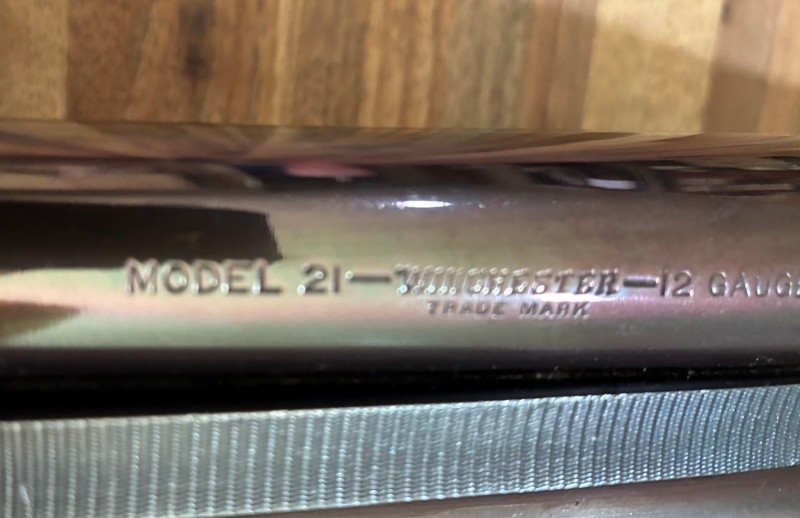
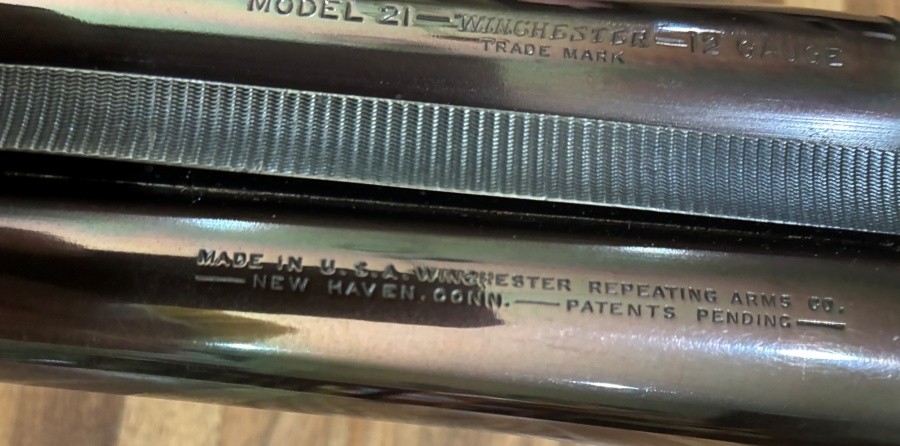
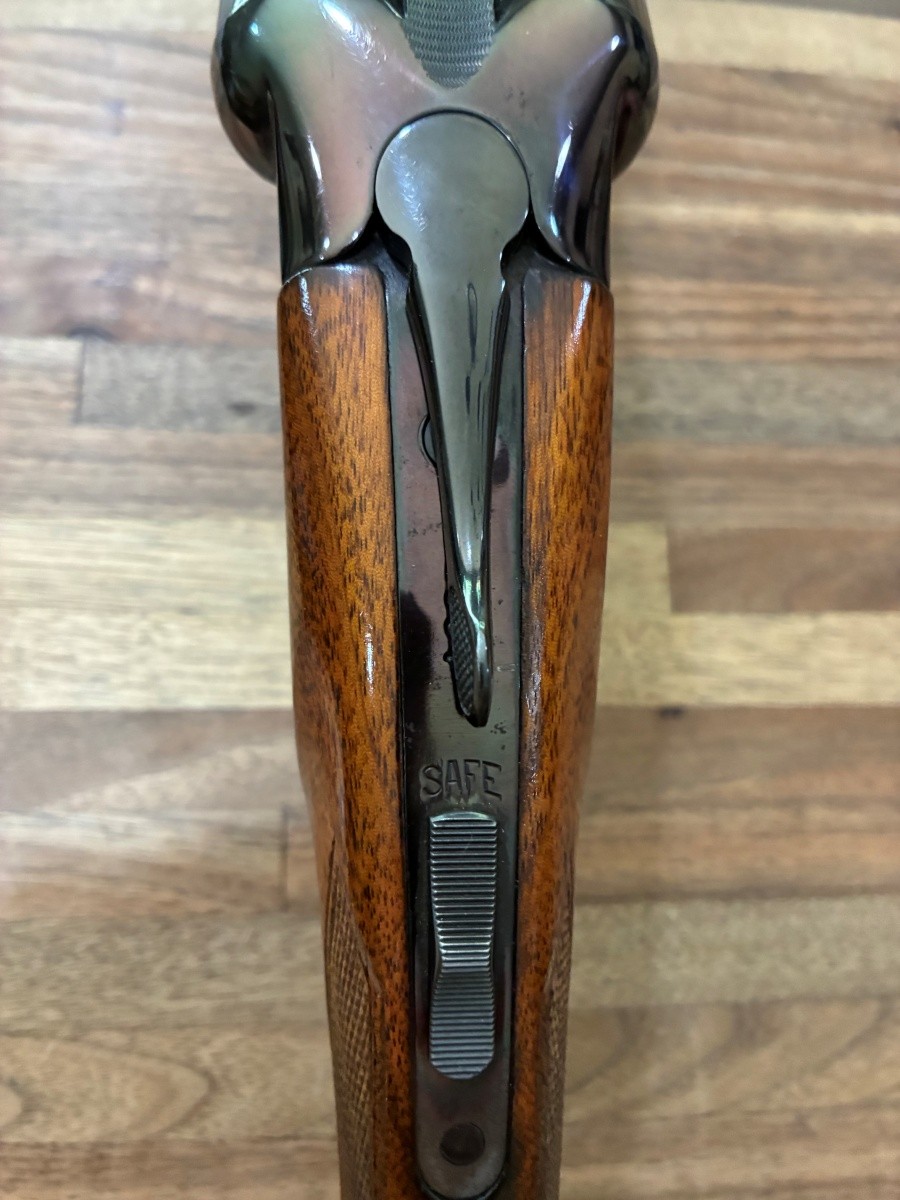
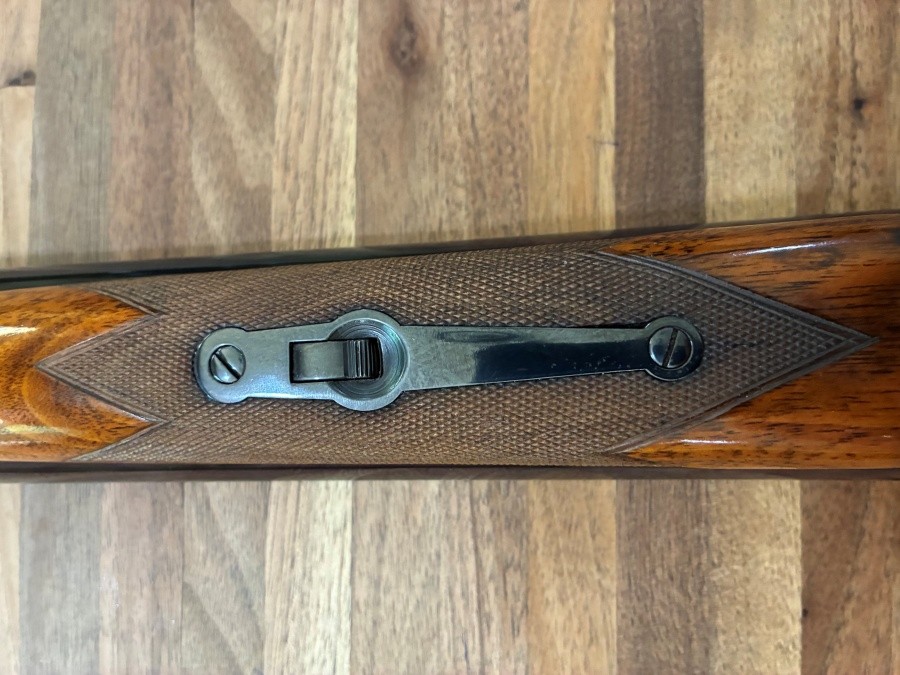
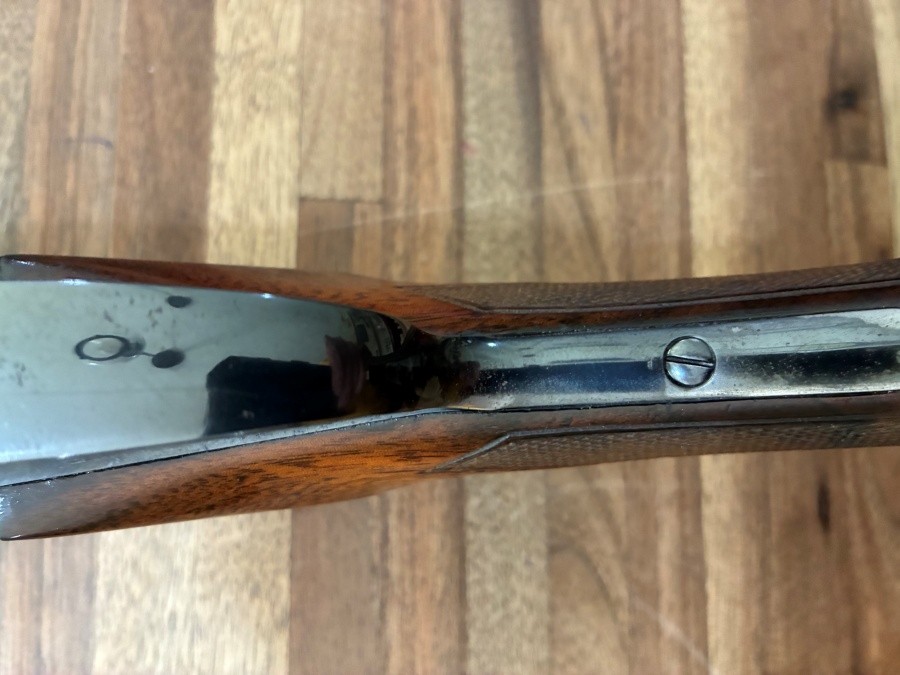
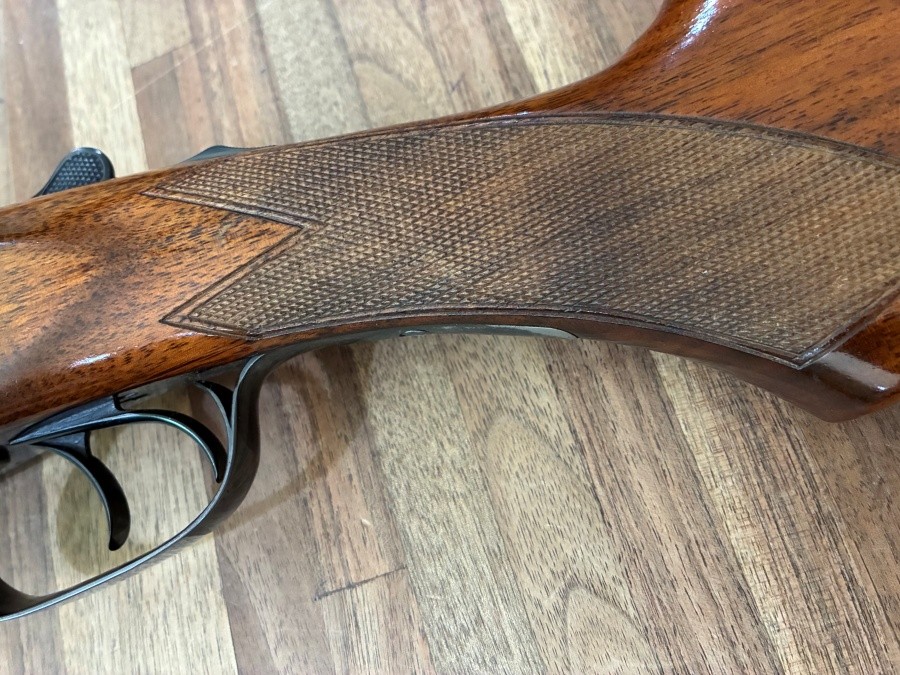
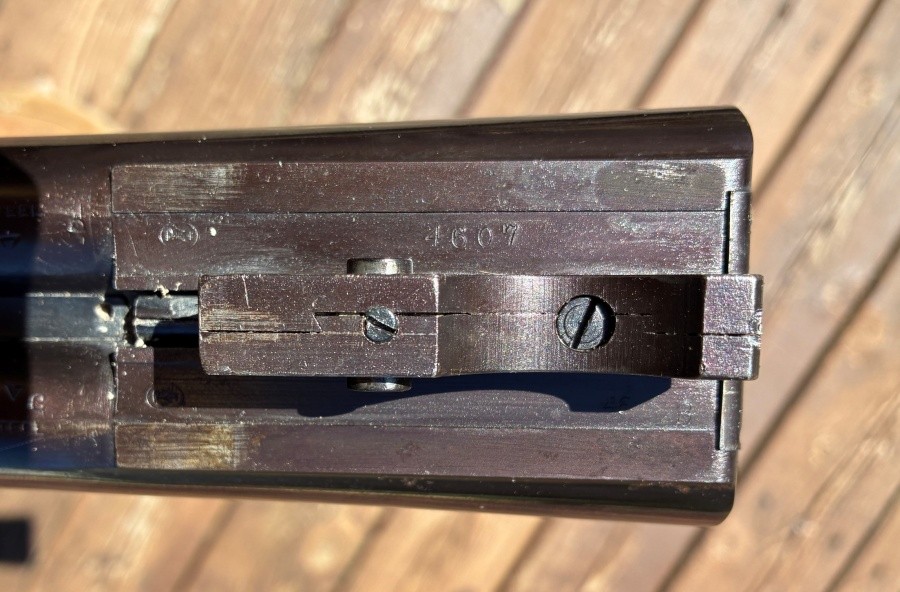
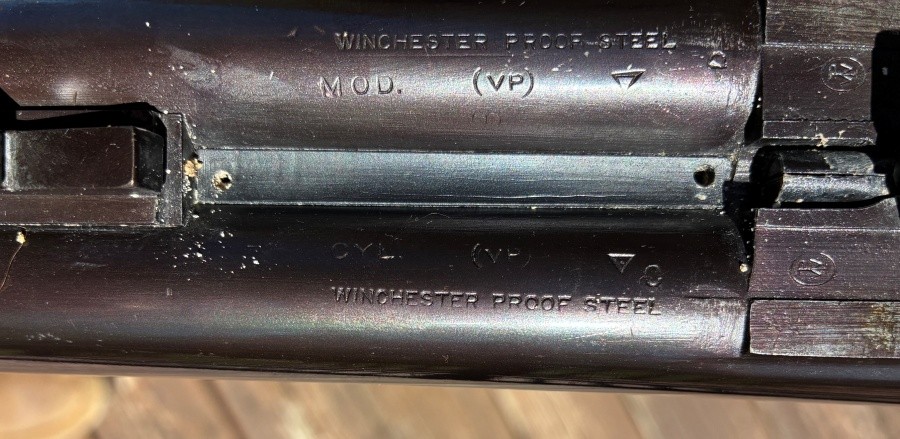
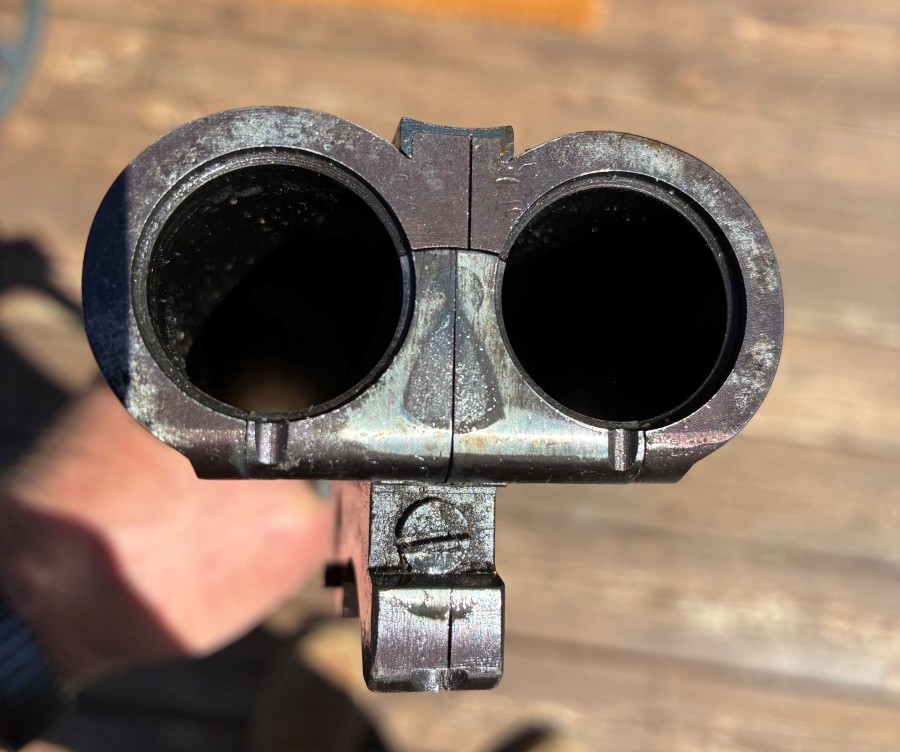
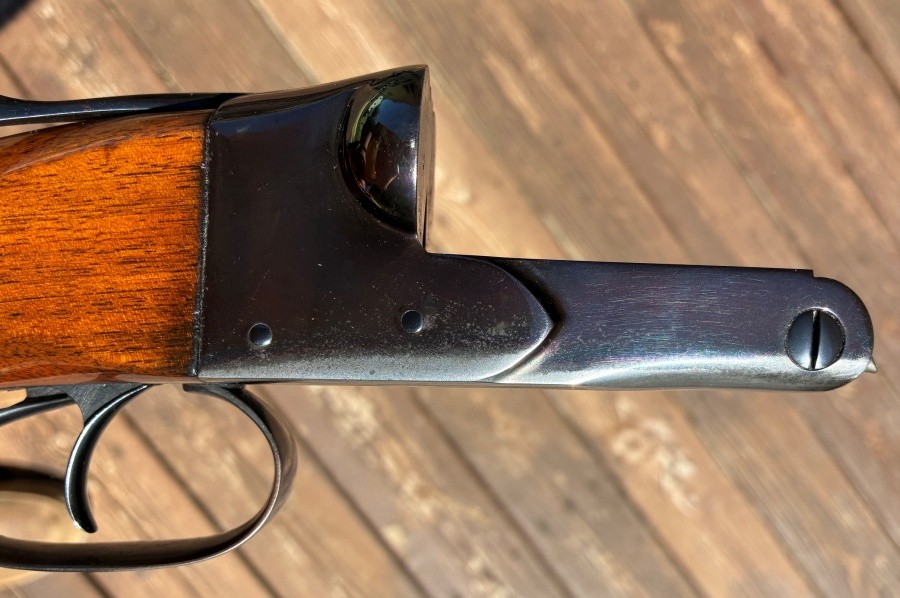
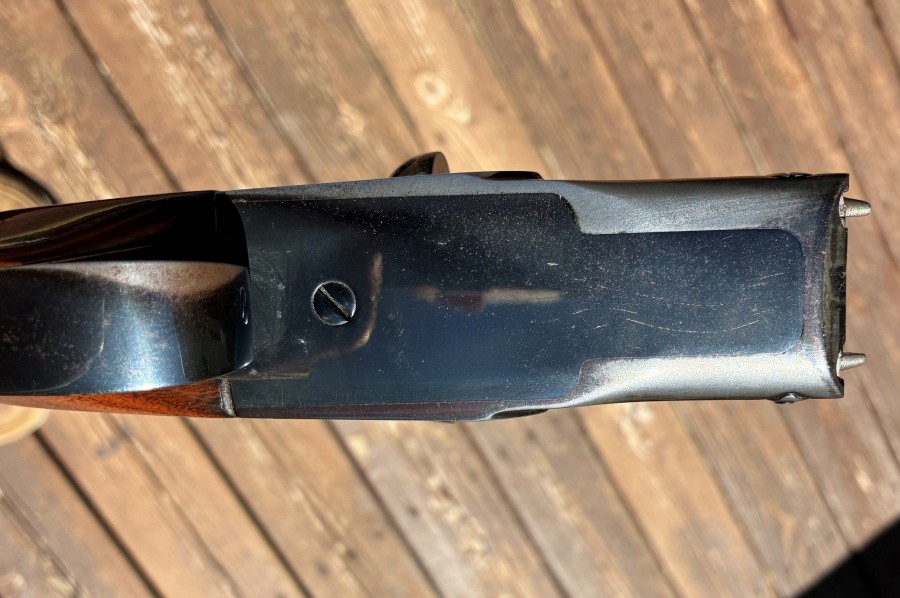
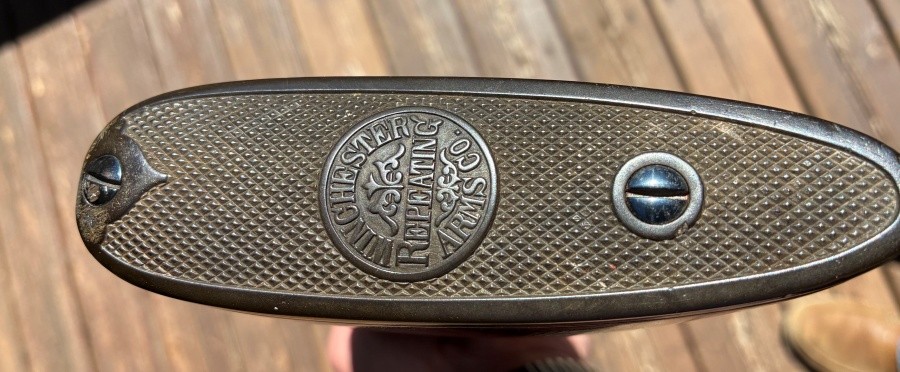
Picked this up at a LGS. I think it’s been reblued, but otherwise in great condition.
First year production, two triggers, 26″ barrels, choked cyl, and mod.
Your thoughts?

August 8, 2024
Offline
Dave, very nice Model 21. Nice shotgun for grouse.

April 15, 2005
Offline
Yes, reblued. It should be a great upland game gun though.
Bert
WACA Historian & Board of Director Member #6571L

January 20, 2023
Offline
Dave, very nice shooter and I like the choking a lot – those early guns are more commonly tightly choked and don’t pattern as well with modern plastic shot cup ammunition. I don’t see an “improved” next to the “CYL” and take that to mean straight cylinder, which is great. straight cylinder bore barrels can produce beautiful 40% to 45% patterns with AA or equivalent quality wad shells.
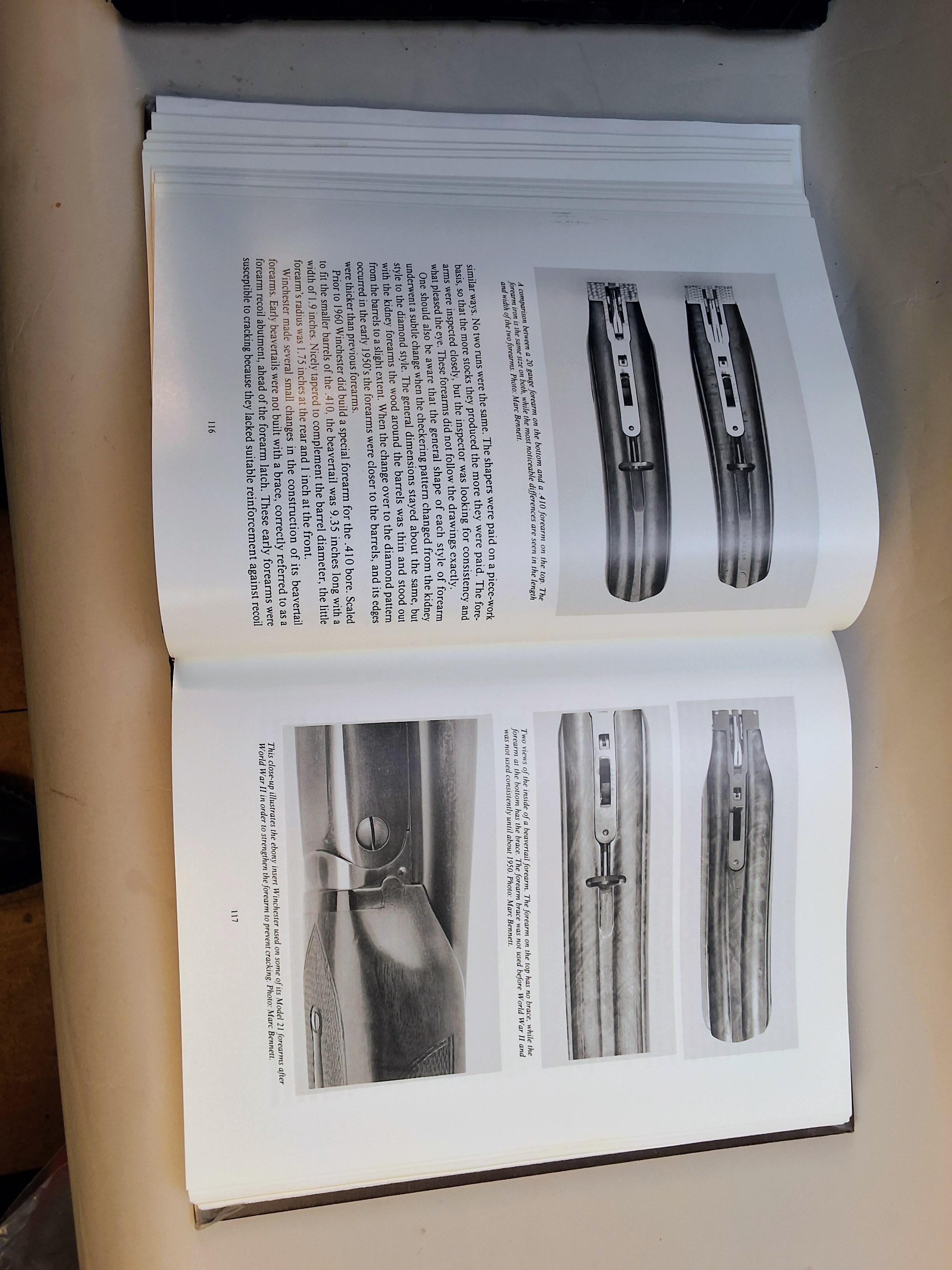
One thing you want to watch for is what I experienced with my 12 gauge 1947 Skeet Gun. It wasn’t until 1950 that Winchester consistently installed a “recoil abutment” device in the Model 21 Walnut forearm, to restrain the forearm iron from splitting the forearm wood between the iron and the receiver, the result of repeated inertial hammering generated by recoil.
My gun didn’t have such a device and had several small beginning fractures visible only from the inletted side. My first shot separated the forearm from the gun and left a visible split. The ammunition was Winchester AA 1 ounce #8 at 1350 fs. A light load but pretty fast. Recoil was stiff enough to break my shooting hand grip and draw blood from my middle finger, which had been cut by the edge of the trigger guard.
My gunsmith, Ron Gervase, is an expert who deals with high end shotguns. He instantly recognized the problem and solved it by repairing the split and then glass bedding the iron into its inletting, testing the work with a couple of proof loads. A permanent solution that cost me a very reasonable $350 USD.
Ron advised me to stay away from heavy shot quantity, high velocity ammunition, for which the Skeet Gun was not designed. At 7.25 pounds, it is too light for that kind of abuse.
My gun originally had a bare, checkered wood butt some fool made standard for the Skeet Gun style. A prior owner sensibly had the butt trimmed to retain LOP and added a Pachmayr solid brown pad. That helped reduce my price and saved me from having to pay for a pad installation.
I don’t care what the fashionable appearance was supposed to be for Skeet – only a moron would try to compete with a 7 pound 12 gauge without a recoil pad. I’ve never seen a match where anybody shot without one. But I digress…
Remove the forearm and closely examine (1) to see if an abutment device is installed; (2) to see if any actual or incipient splitting is present. If there is no abutment device in place and I liked the gun, I would have the forearm iron glass bedded to preempt the problem. The problem was widespread enough to justify the expense.
In the alternative, assuming you can find an abutment device on eBay, you could have it installed. I’m sure CSC/Galazan would install one for you but ask the price first.
I’ve attached a photo of my gun’s forearm so you can see where the problem occurs. I’ve also attached an excerpt from The Model 21: Winchester’s Finest that illustrates and discusses the abutment device. 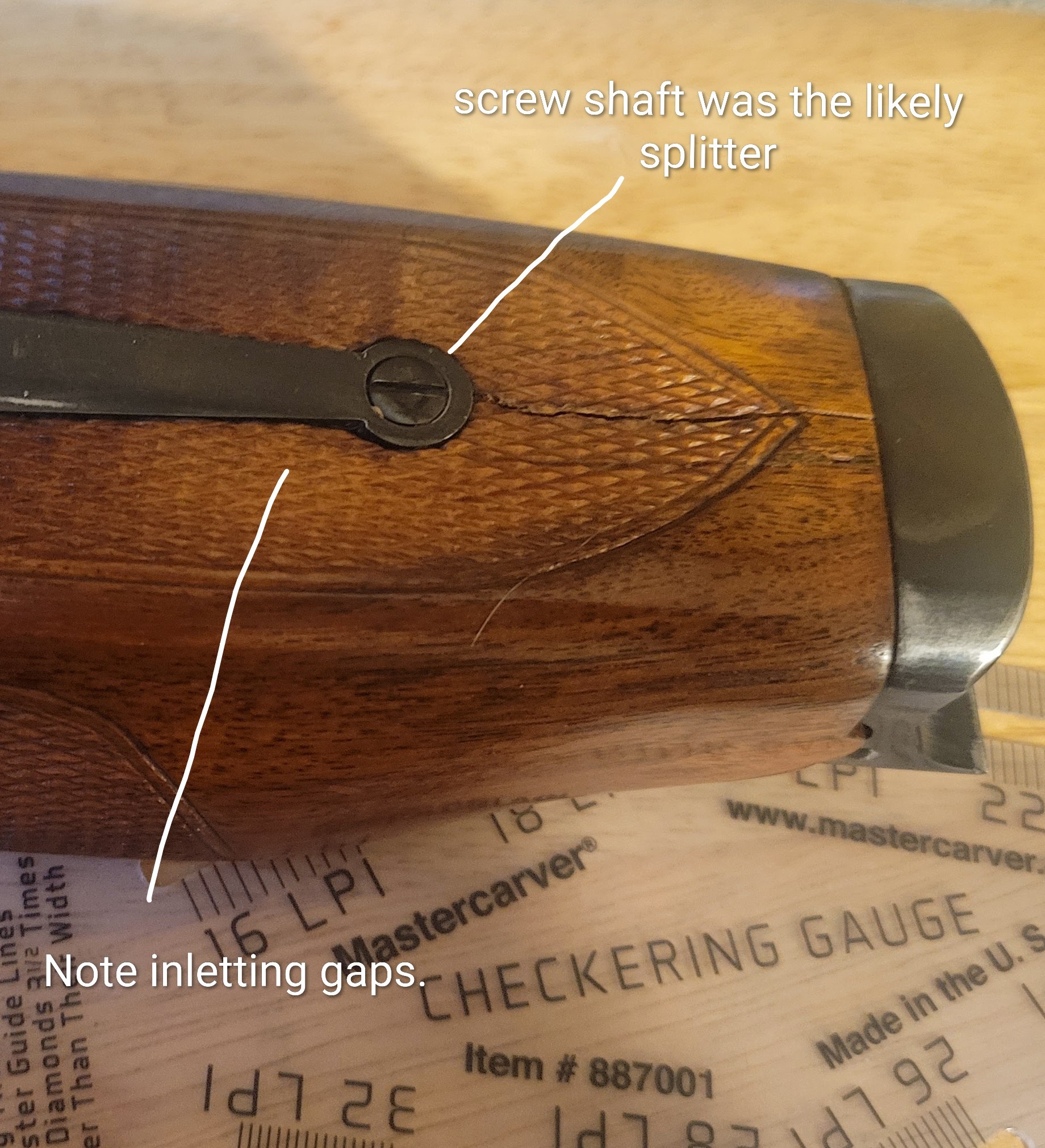
- Bill
WACA # 65205; life member, NRA; member, TGCA; member, TSRA; amateur preservationist
"I have seen wicked men and fools, a great many of both, and I believe they both get paid in the end, but the fools first." -- David Balfour, narrator and protagonist of the novel, Kidnapped, by Robert Louis Stevenson.


1 Guest(s)
